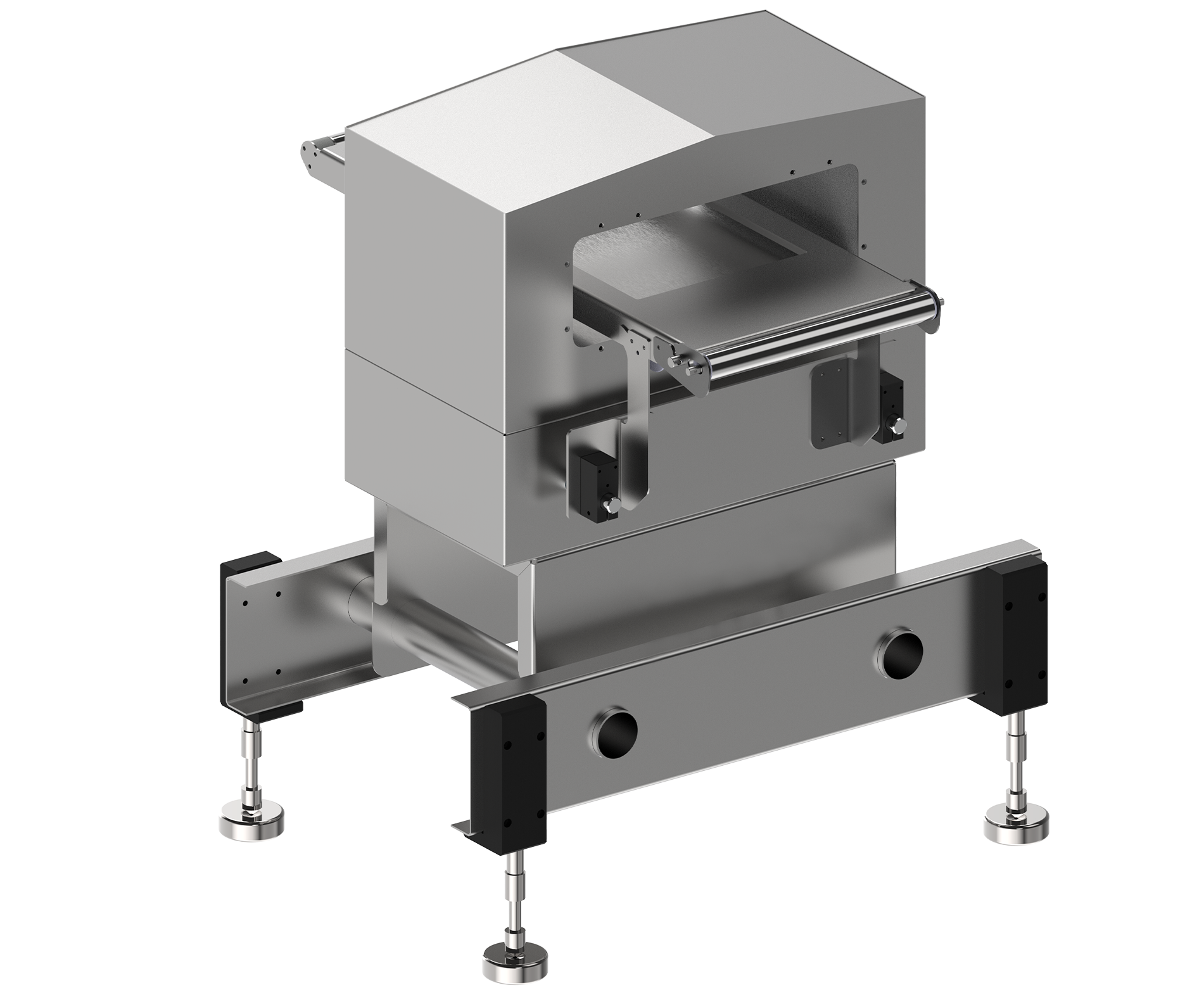
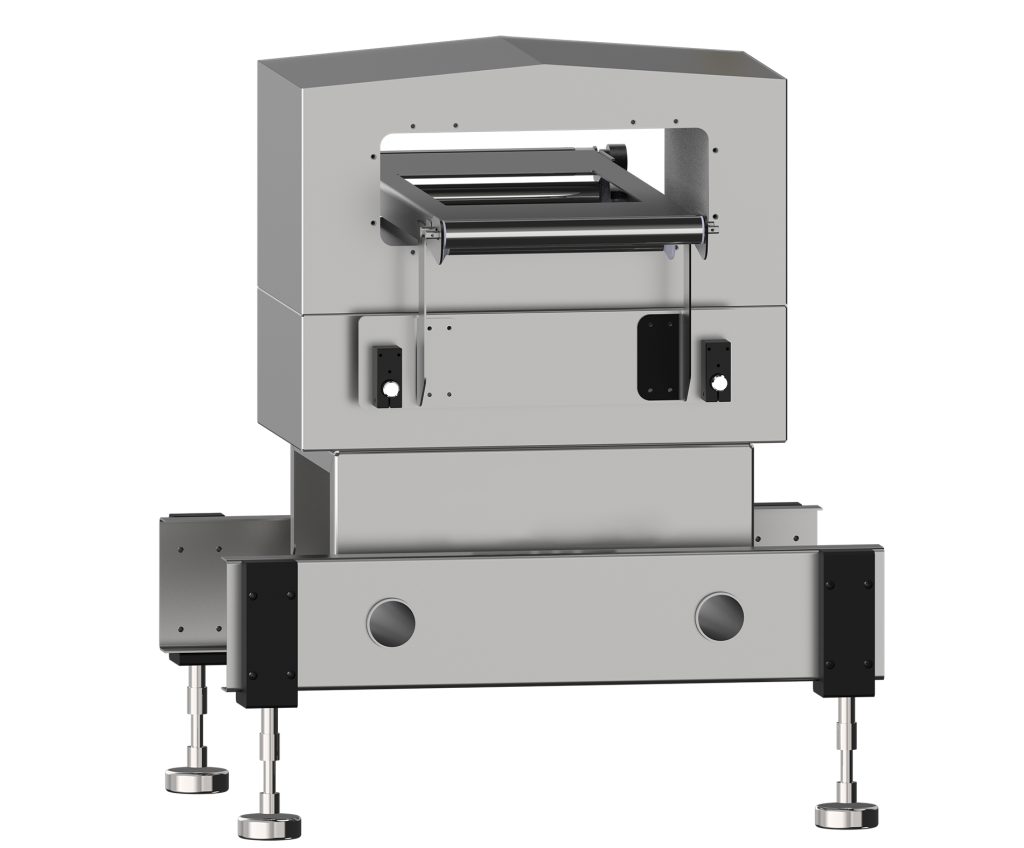
Pengantar Vormek MetalGuard VMD-500
Detektor logam adalah perlindungan penting dalam lini produksi pangan modern. Mereka memastikan bahwa produk yang sampai ke konsumen bebas dari kontaminan logam berbahaya—melindungi kesehatan masyarakat dan reputasi merek. Namun bagaimana cara kerjanya, dan mengapa hal tersebut begitu penting?
Cara Kerja Detektor Logam
Detektor logam industri saat ini terbagi dalam dua kategori utama:
- Sistem kumparan seimbang– Jenis yang paling umum, menggunakan kumparan dan medan elektromagnetik untuk mendeteksi logam.
- Sistem besi-dalam-foil– Menggunakan medan magnet yang kuat untuk mendeteksi kontaminan besi (magnetik, mengandung besi) dalam produk.
Detektor logam tersedia dalam berbagai konfigurasi untuk disesuaikan dengan sistem produksi yang berbeda, termasuk:
- Sistem tipe konveyor
- Sistem gravitasi/jatuh
- Sistem pipa/pompa
- Sistem volumetrik/kinerja tinggi
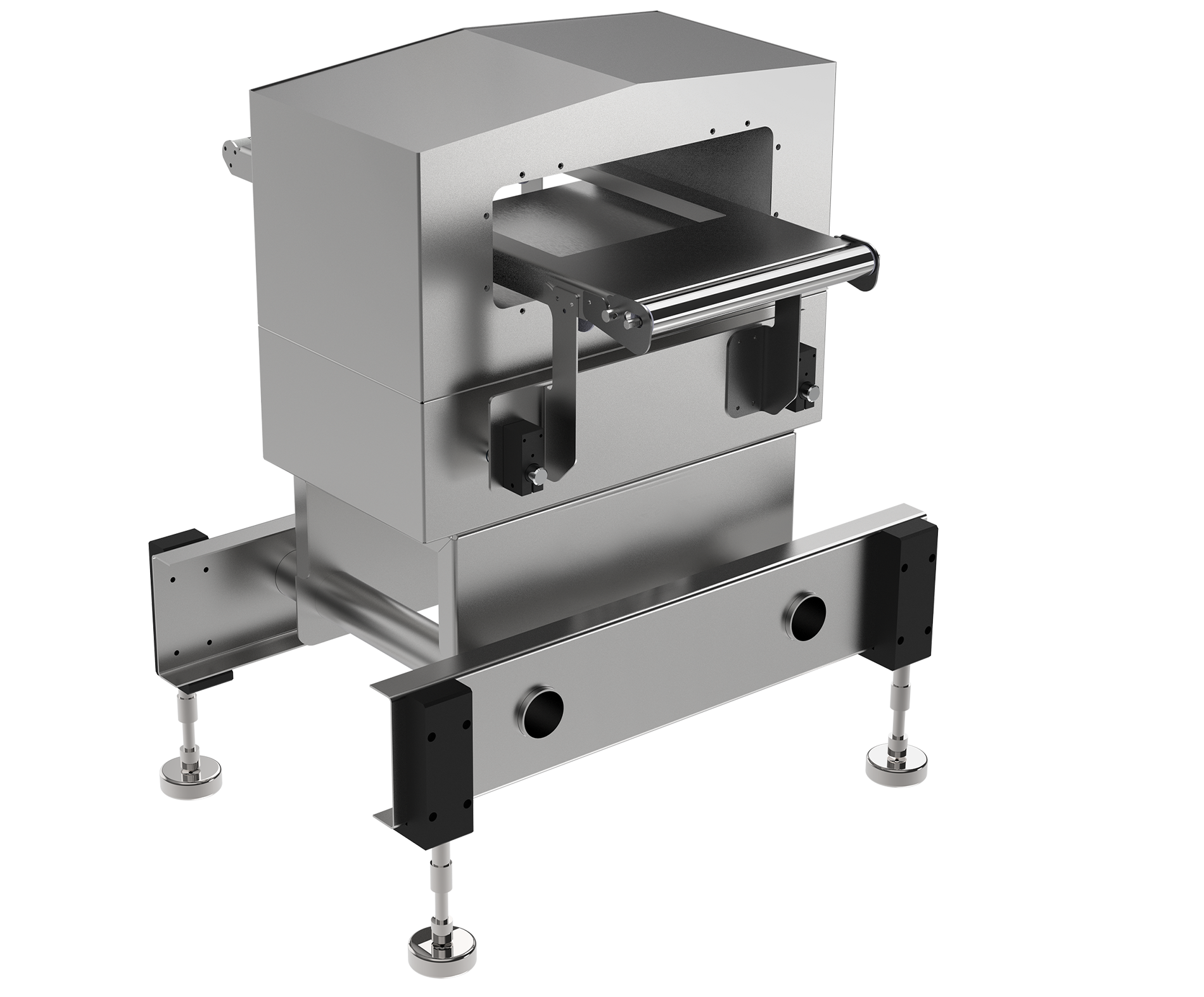
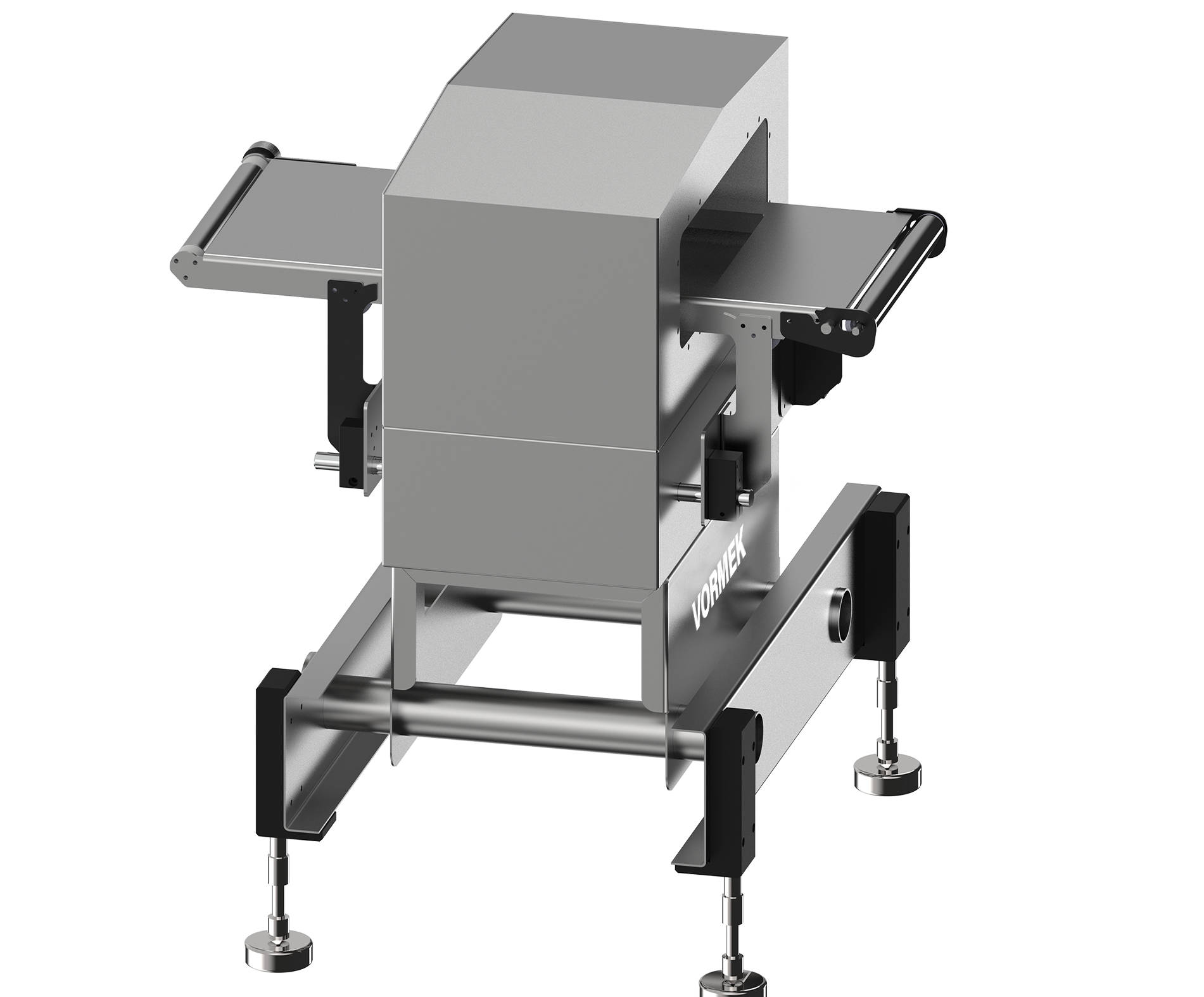
Detektor logam industri yang paling banyak digunakan adalah jenis sabuk konveyor, yang terintegrasi sempurna ke dalam lini produksi makanan karena beragam ukuran, konfigurasi sabuk, dan opsi sensor. Kontaminan dapat ditolak secara otomatis ketika terdeteksi oleh sistem pembuangan terintegrasi.
Industri Makanan Mana yang Menggunakan Detektor Logam?
Detektor logam sangat penting dalam berbagai industri makanan, termasuk:
- Toko roti dan kue kering
- Susu, susu, yogurt
- Buah-buahan dan sayuran
- Makanan siap saji
- Ikan dan makanan laut
- Daging merah
- unggas
- Sereal dan kacang-kacangan
- Minuman, jus, dan air
Jenis Kontaminan Logam yang Terdeteksi
Tiga kelompok utama kontaminan logam dapat dideteksi oleh detektor logam makanan. Tabel di bawah ini merangkum karakteristiknya:
| Tipe Logam | Permeabilitas Magnetik | Konduktivitas Listrik | Kemudahan Deteksi |
|---|---|---|---|
| Besi (besi, baja) | Magnetik | Bagus | Mudah |
| Non-Ferrous (tembaga, timah, aluminium) | Non-magnetik | Bagus hingga Luar Biasa | Relatif Mudah |
| Baja Tahan Karat | Biasanya non-magnetik | Biasanya Buruk | Relatif Sulit |
Kemampuan deteksi bergantung pada konduktivitas dan permeabilitas magnetik:
- Kontaminan besibersifat magnetis dan konduktif → mudah dideteksi.
- Kontaminan non-besibersifat non-magnetik tetapi konduktif → relatif mudah dideteksi.
- Baja tahan karatbiasanya non-magnetik dengan konduktivitas yang buruk → lebih sulit dideteksi, terutama pada produk basah atau tinggi garam.
Untuk kontaminan non-logam (tulang, plastik, kaca, keramik, batu), sistem pemeriksaan sinar-X menawarkan kemampuan deteksi tingkat lanjut.
Manfaat Penggunaan Detektor Logam pada Industri Makanan
Logam merupakan salah satu bahan asing yang paling banyak ditemukan pada produk makanan. Pecahan logam dapat masuk ke dalam produk secara tidak sengaja dan membahayakan kesehatan konsumen. Produsen harus meminimalkan dan mengendalikan risiko ini. Detektor logam menyediakan:
- Keamanan pangan terjamin bagi konsumen
- Pencapaian standar mutu pangan
- Perlindungan peralatan dari kerusakan
- Kepatuhan terhadap peraturan pangan
- Pencegahan pengembalian produk
Dimana Detektor Logam Dipasang?
Penempatan yang tepat sangat penting untuk pendeteksian logam yang efektif. Kontaminan dapat masuk ke produk di hampir semua titik dalam jalur produksi, sehingga ujung jalur merupakan lokasi paling efektif untuk pemeriksaan akhir. Namun, beberapa titik pemeriksaan direkomendasikan:
- Pemeriksaan bahan baku– Menghilangkan logam sebelum pecah menjadi pecahan yang lebih kecil dan sulit dideteksi.
- Titik Kontrol Kritis (HACCP)– Mendeteksi kerusakan mesin (misalnya bilah patah) selama produksi.
- Inspeksi produk akhir– Memastikan barang jadi aman bagi konsumen.
Jika detektor digunakan untuk melindungi mesin, maka dipasang tepat sebelum peralatan yang bersangkutan.
Sensitivitas Detektor Logam
Persyaratan deteksi standar untuk produk akhir adalah:
- Partikel bola besi:2,0 mm
- Partikel bola non-besi:2,5 mm
- Partikel bulat baja tahan karat:3,5 mm
Hanya detektor yang memenuhi standar ini yang cocok untuk dipasang di jalur pengemasan.
Faktor-Faktor yang Mempengaruhi Sensitivitas Detektor Logam
Beberapa faktor terkait produk memengaruhi sensitivitas deteksi:
| Faktor | Memengaruhi |
|---|---|
| Komposisi produk | Kandungan garam yang tinggi (misalnya ham) dapat mempengaruhi konduktivitas listrik; darah dan zat besi dalam daging juga dapat memengaruhi sensitivitas |
| Karakteristik produk | Produk otot utuh vs. produk emulsi menghasilkan sinyal yang berbeda; produk yang lebih padat mempengaruhi deteksi |
| Suhu | Variasi suhu mengubah sinyal—roti hangat mungkin menghasilkan respons yang berbeda dibandingkan roti pada suhu kamar |
| Bahan kemasan | Aluminium foil dan film berlapis logam tertentu dapat menimbulkan sinyal yang menyesatkan |
| Kadar air | Produk dengan kelembapan tinggi (daging, susu) dapat melemahkan sinyal, sehingga membuat pecahan kecil lebih sulit dideteksi |
Frekuensi Detektor Logam
Detektor logam makanan beroperasi pada rentang frekuensi (50 kHz hingga 1000 kHz) untuk mengidentifikasi kontaminan logam. Frekuensi optimal bergantung pada:
- Jenis logam
- Posisi dan orientasi partikel logam
- Bentuk partikel logam
Baja tahan karat, misalnya, memiliki sedikit atau tidak ada sifat magnetis dan memerlukan frekuensi lebih tinggi untuk pendeteksiannya. Teknologi multi-pemindaian memungkinkan operator memilih hingga lima frekuensi dan memindai frekuensi tersebut dengan cepat—meningkatkan kemungkinan deteksi secara signifikan dan menghilangkan kemungkinan kontaminan melewatinya tanpa terdeteksi.
Cara Memilih Detektor Logam yang Tepat
Dengan berkembangnya pasar, memilih detektor logam yang tepat dapat menjadi suatu tantangan. Detektor yang sesuai haruslah:
- Akurat dan dapat diandalkan
- Mudah dibersihkan dan disanitasi
- Sederhana dan aman untuk dioperasikan
- Kompatibel dengan kecepatan garis
Pertimbangan utama sebelum membeli:
- Deskripsi produk lengkap (bahan, sifat fisik, kemasan)
- Kondisi lokasi pemasangan (udara bertekanan, catu daya)
- Lingkungan pengoperasian (suhu, kelembapan, zat korosif)
- Deskripsi proses (bagaimana produk bergerak melalui titik instalasi)
- Tipe kontrol (manual, otomatis, semi-otomatis)
- Persyaratan mekanisme penolakan
Peningkatan Kualitas dengan Detektor Logam
Detektor logam memberikan nilai dalam tiga bidang utama:
| Aplikasi | Keuntungan |
|---|---|
| Pemeriksaan bahan baku | Mengurangi biaya terkait cacat; mengevaluasi pemasok melalui deteksi dini |
| Inspeksi produk akhir | Memastikan hanya produk murni dan bebas logam yang menjangkau pelanggan |
| Kontrol proses (perlindungan peralatan) | Mencegah kerusakan mesin produksi; menjaga kualitas produk dan stabilitas keluaran |
| Titik kendali kritis (HACCP) | Mengidentifikasi titik-titik di mana kegagalan pengendalian akan menimbulkan risiko kesehatan yang tidak dapat diterima |
Mengapa Memilih MetalGuard Vormek
Detektor logam adalah komponen penting dalam program pengendalian kontaminasi makanan. Jika dipilih, dipasang, digunakan, dan dipelihara dengan benar, produk tersebut akan meningkatkan kualitas produk dan mengurangi limbah.
Dengan pengalaman bertahun-tahun di bidang manufaktur dan pemasangan detektor logam berkualitas tinggi, Vormek menawarkan keahlian dan alat untuk membantu Anda memilih sistem yang tepat untuk operasi Anda. Apa pun industri Anda, alat berat kami disesuaikan dengan lingkungan kerja Anda dan memberikan data yang andal mengenai tingkat kontaminan logam dalam produk Anda.
Percayakan merek Vormek untuk kebutuhan pendeteksian logam Anda. Untuk harga dan informasi lebih lanjut, hubungi tim ahli kami untuk mendapatkan panduan.