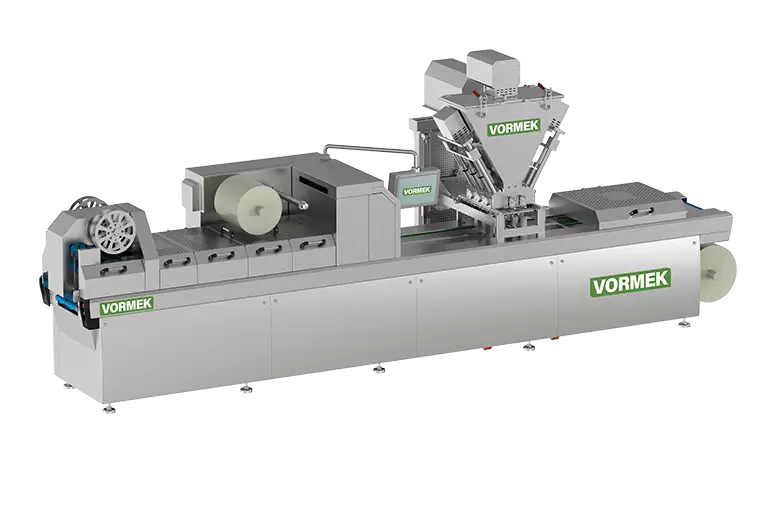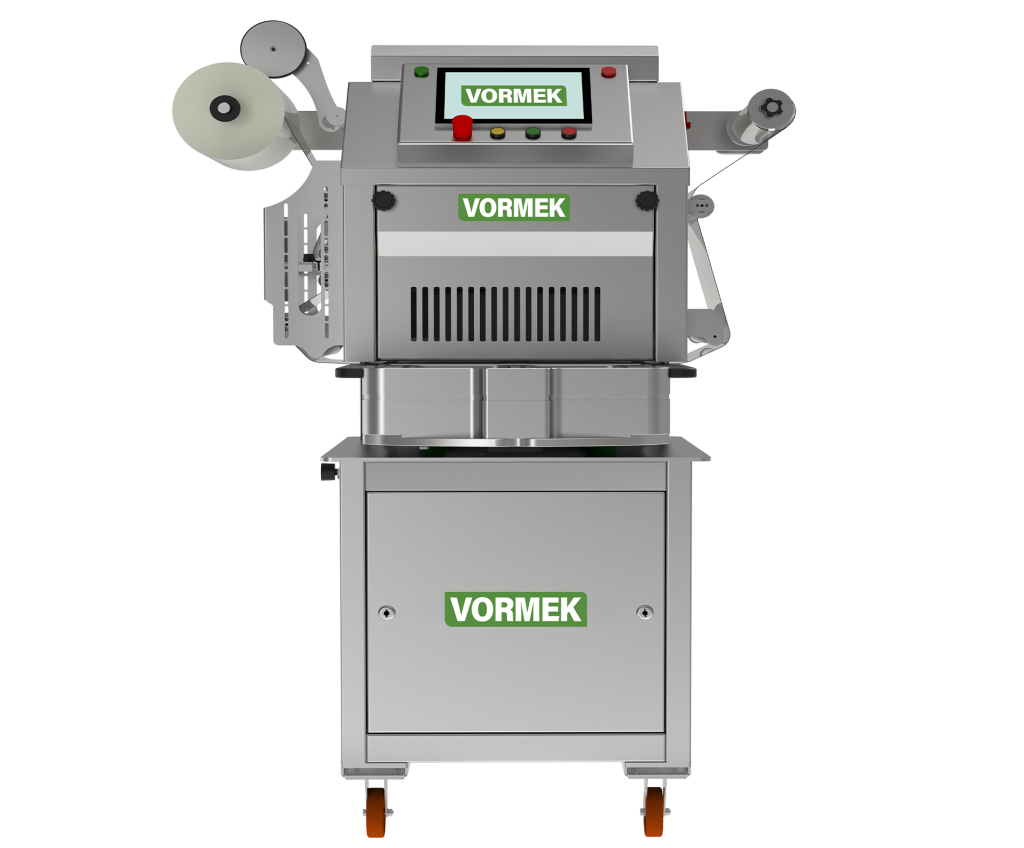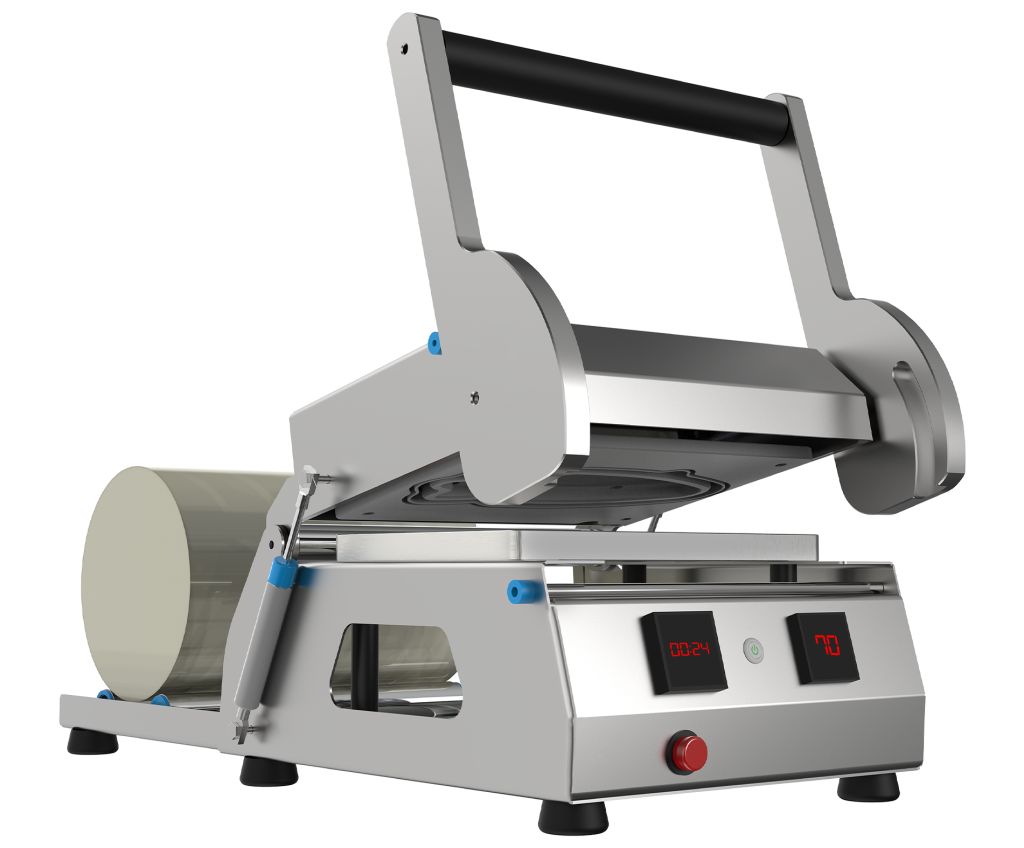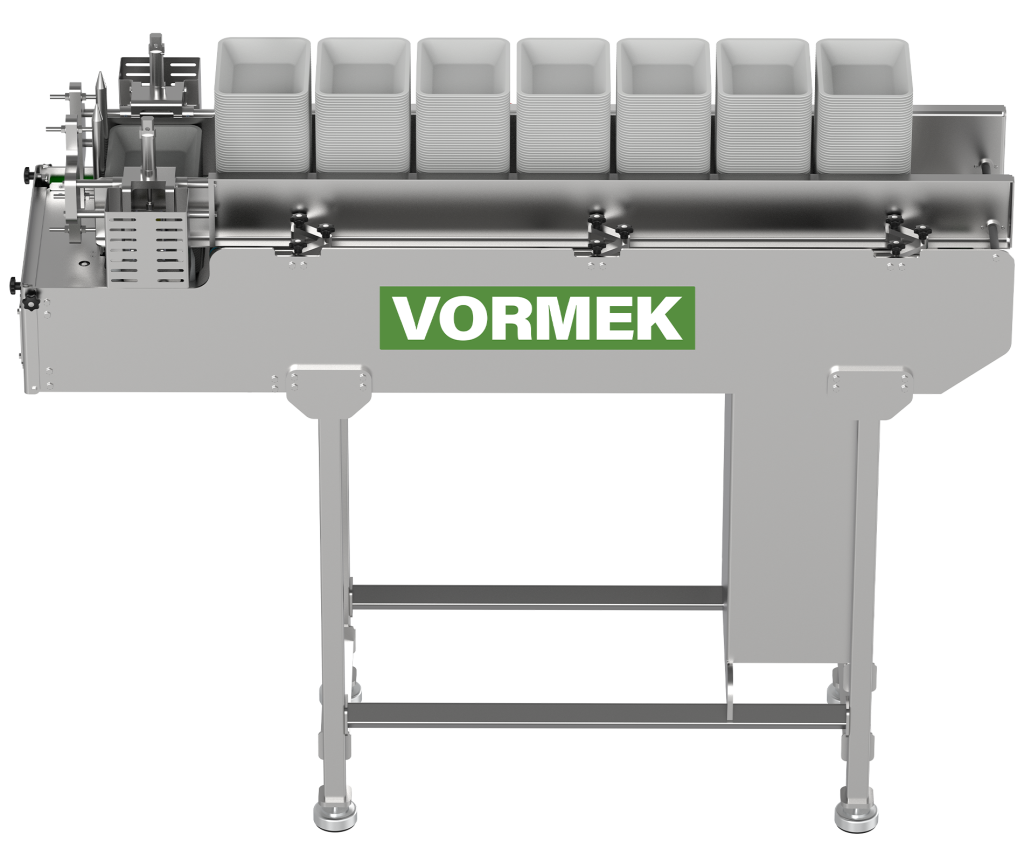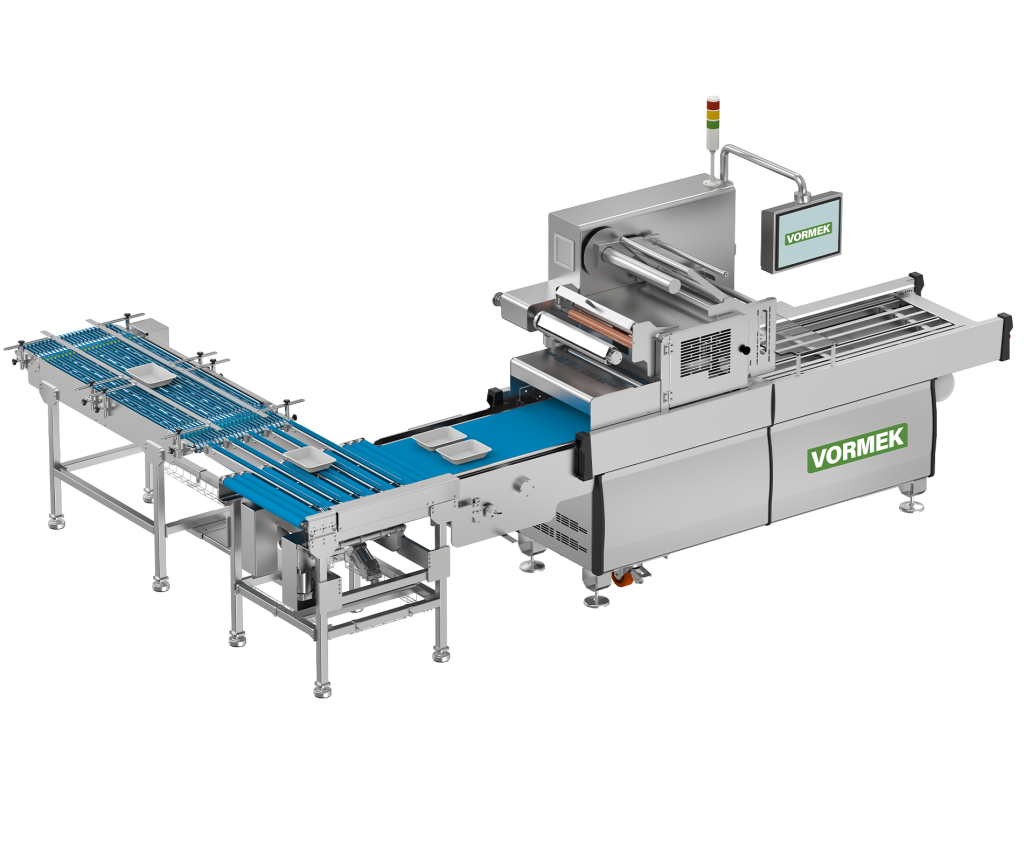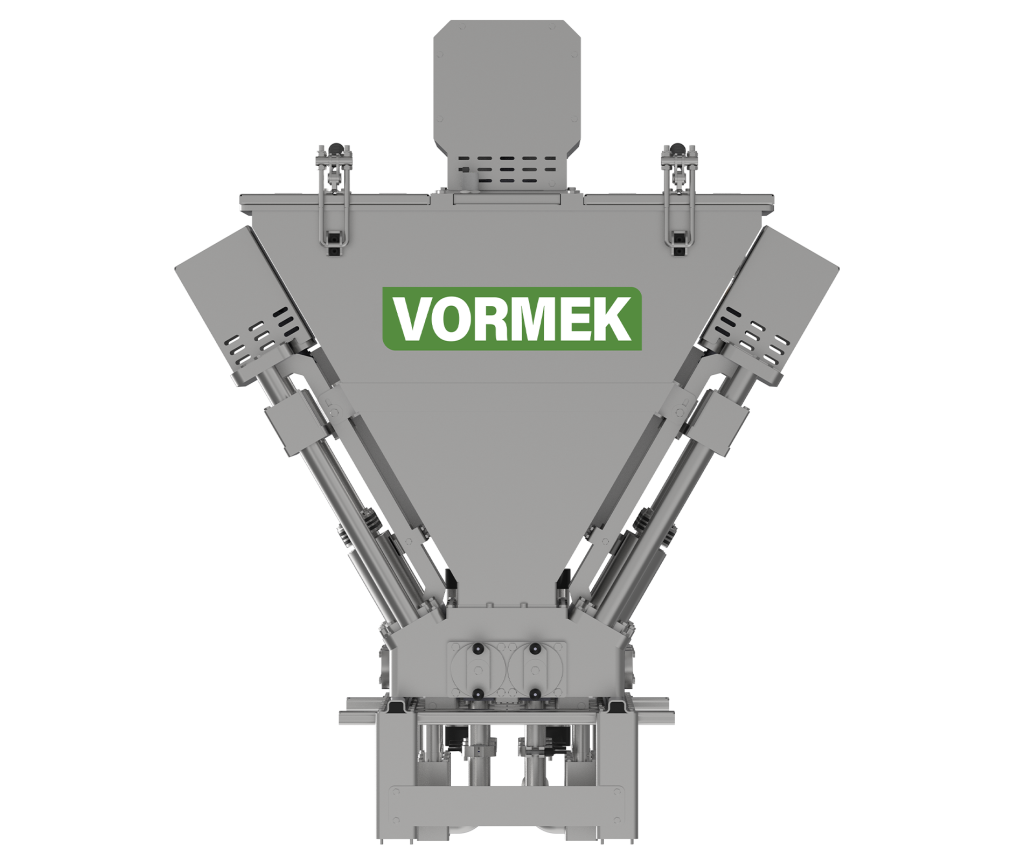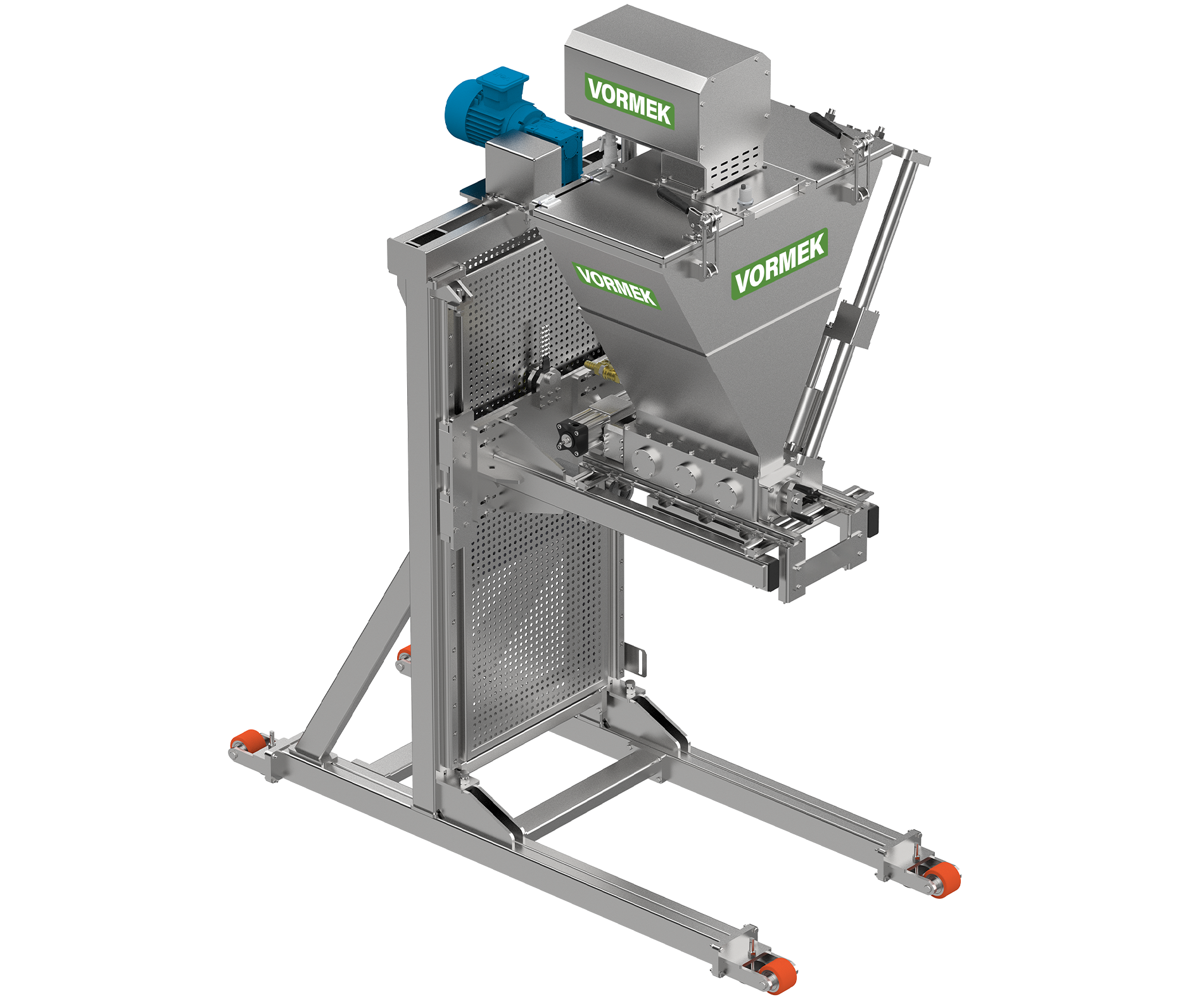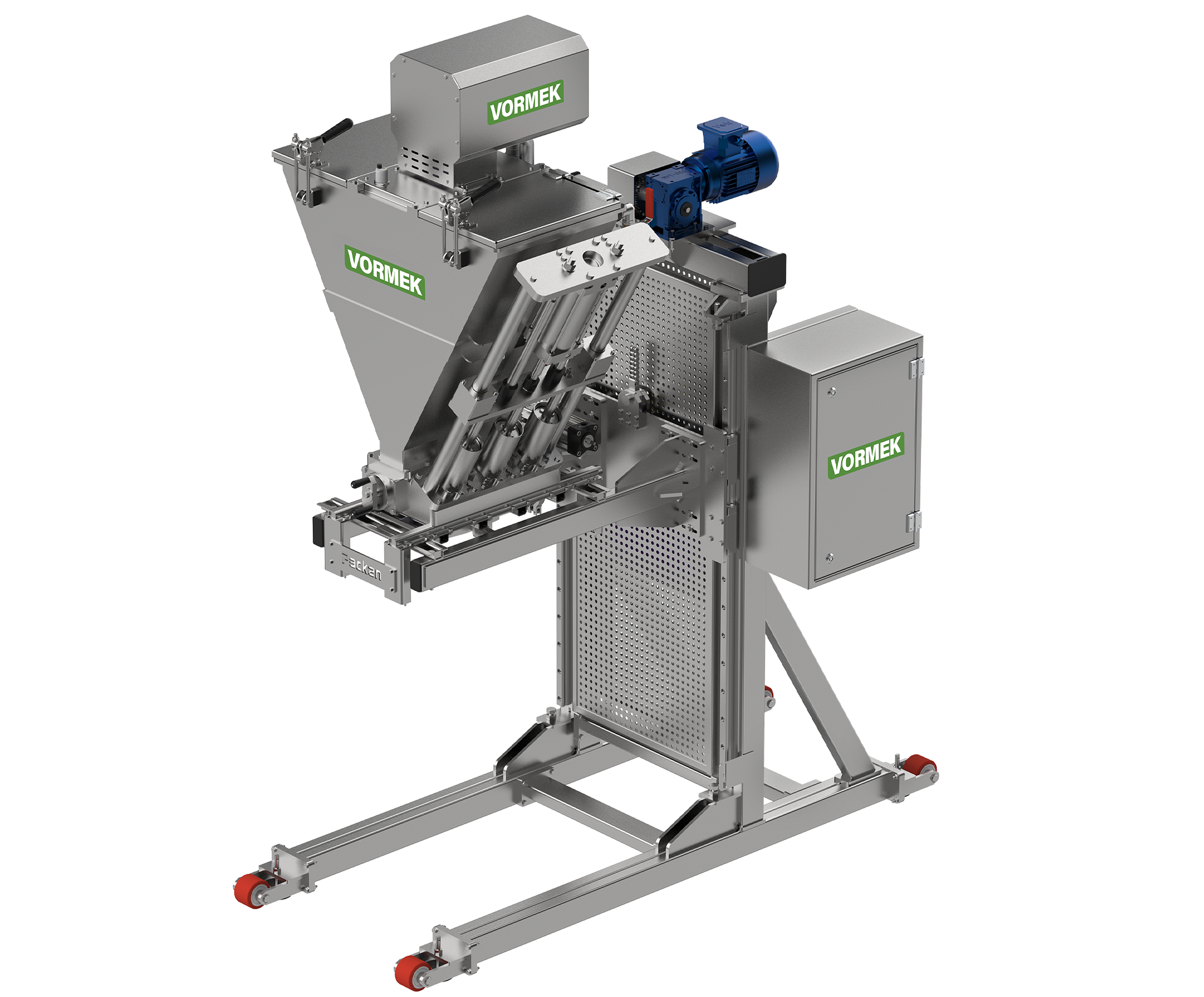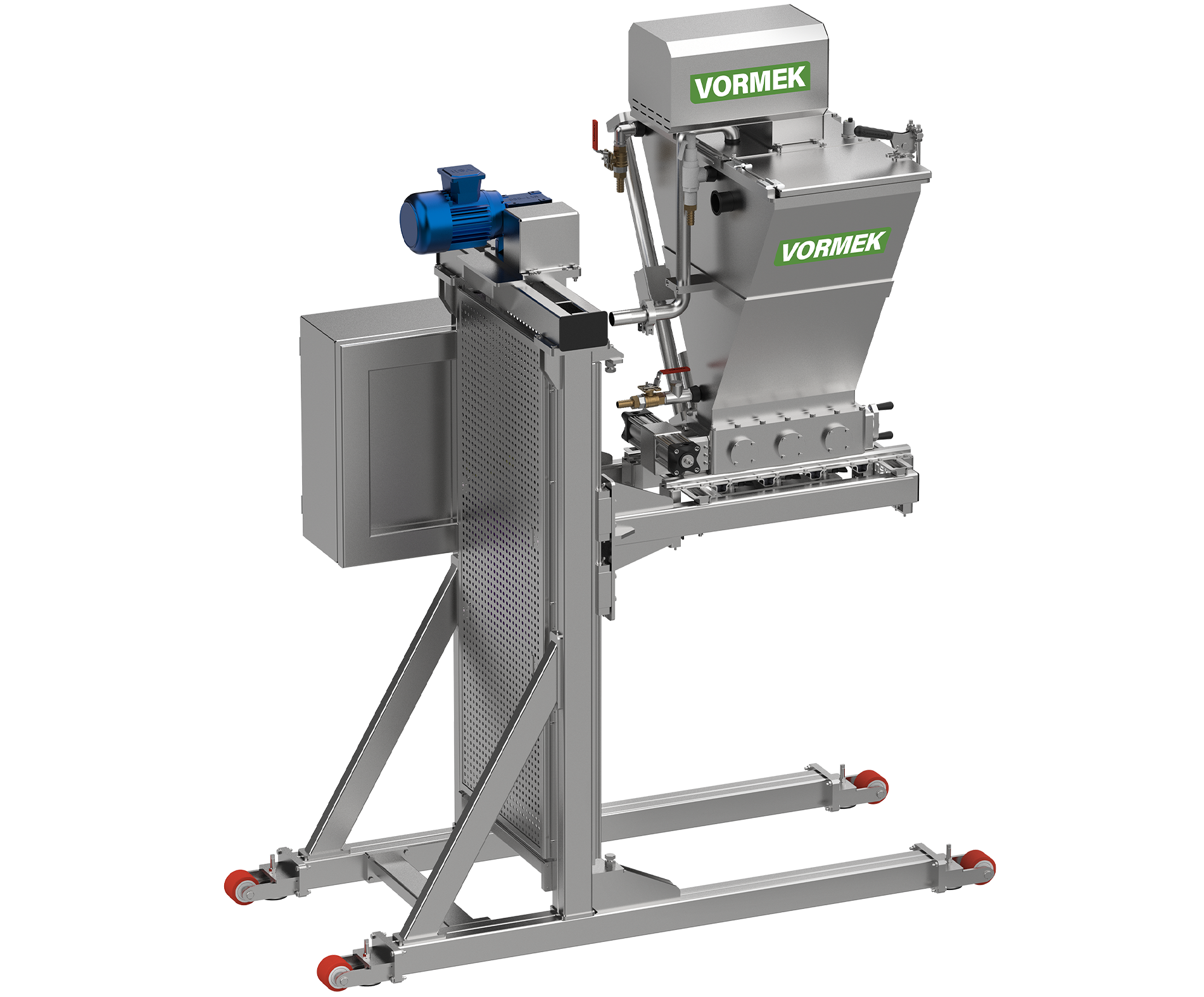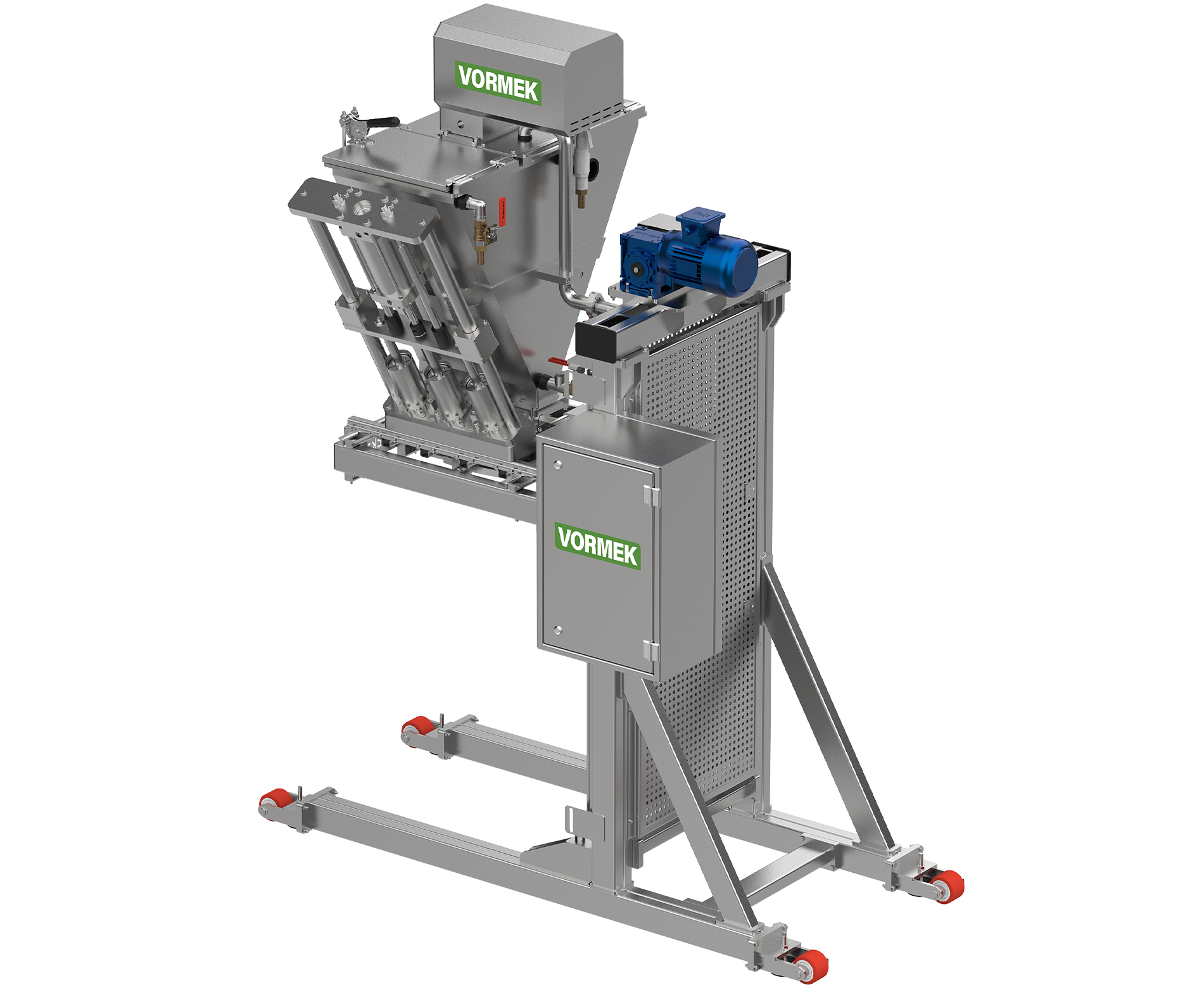
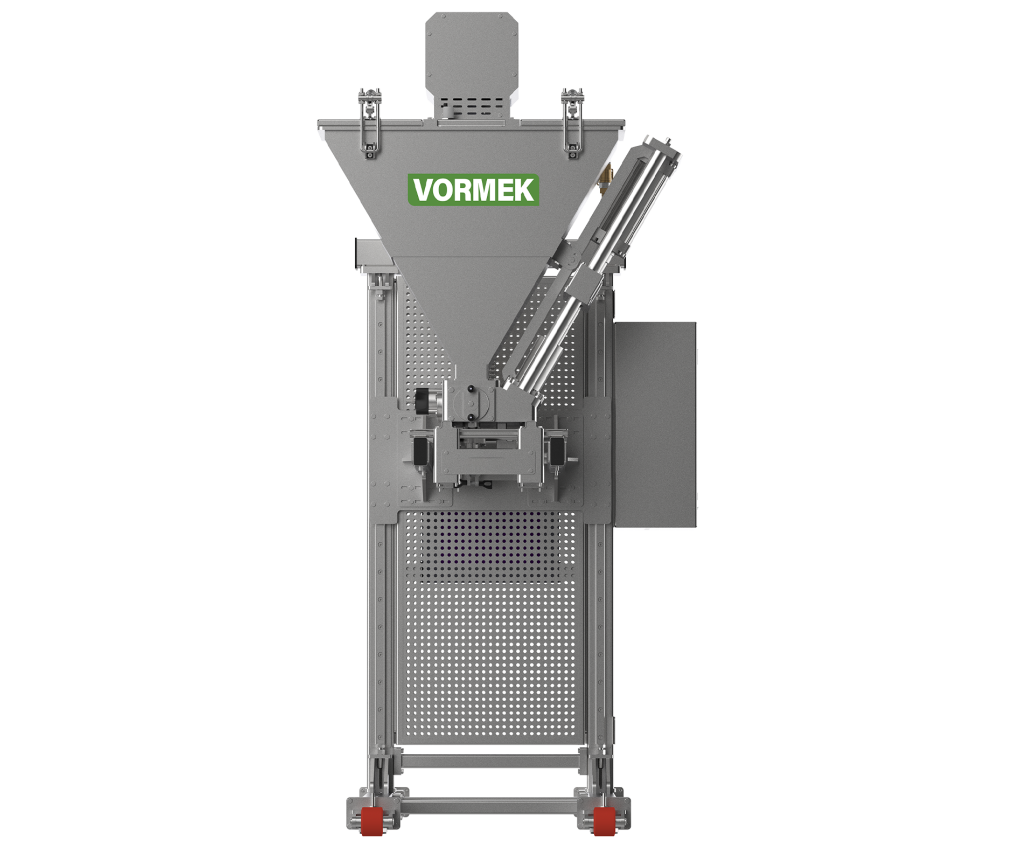
Pengantar Vormek Mechoris Visco VFL-500
Mengisi produk yang kental, kental, atau kental—seperti salad Olivier, mayones dengan potongan sayuran, atau formulasi yang sensitif terhadap suhu—selalu menjadi tantangan dalam lini produksi makanan. Bahan pengisi konvensional seringkali kurang presisi, merusak tekstur produk, atau tidak dapat dibersihkan secara menyeluruh.
ItuMechoris Visco VFL-500dari seri ViscoFill Vormek adalah pengisi silinder piston pneumatik yang dirancang khusus untuk mengatasi masalah ini. Menggunakan udara bertekanan untuk menggerakkan piston di dalam silinder, alat ini menyalurkan volume produk yang presisi dan terkontrol langsung ke dalam wadah.
Aplikasi Utama
- Ideal untuk produk kental, semi padat, kental, atau kental yang memerlukan suhu pengisian tertentu
- Dapat disesuaikan sepenuhnya—nosel, ukuran piston, dan hopper dapat disesuaikan dengan produk Anda
- Sepenuhnya higienis—semua komponen yang bersentuhan dengan produk dibuat dari baja tahan karat tahan korosi dan mudah dibongkar untuk dibersihkan
1. Tantangan Pengisian Produk Tebal dan Semi Padat
Produk dengan viskositas tinggi, struktur semi padat, komposisi tidak homogen, atau ukuran partikel yang bervariasi memerlukan teknologi pengisian khusus. Pemilihan peralatan yang tepat bergantung pada beberapa faktor:
| Faktor Seleksi | Keterangan |
|---|---|
| Viskositas produk | Jenis piston dan desain nosel harus sesuai dengan perilaku produk; kekuatan yang cukup sangatlah penting |
| Komposisi produk dan ukuran partikel | Sistem harus mengakomodasi berbagai tekstur; desain sangat bergantung pada karakteristik produk |
| Ukuran wadah | Ukuran silinder dan panjang langkah piston dipilih berdasarkan volume wadah dan jumlah pengisian |
| Kapasitas produksi | Model multi-nosel direkomendasikan untuk saluran output tinggi |
| Kecepatan garis | Pengisi multi-piston dengan kontrol volume dan waktu yang presisi optimal untuk produksi berkelanjutan |
| Kemudahan pembersihan dan pemeliharaan | Semua bagian yang bersentuhan dengan produk harus mudah dibongkar; desain harus mencegah penumpukan residu |
| Dukungan teknis dan suku cadang | Tim layanan Vormek yang berpengalaman dan pasokan suku cadang selalu tersedia |
| Kompatibilitas dengan jalur yang ada | Dimensi, sistem kelistrikan, otomatisasi, dan integrasi mekanis harus selaras dengan pengaturan saat ini |
ItuMechoris Visco VFL-500dirancang untuk memenuhi semua persyaratan ini.
2. Mekanisme Operasi Silinder Piston Pneumatik
Inti dari mesin ini adalah piston dan silinder bolak-balik yang digerakkan oleh sistem pneumatik. Tenaga pneumatik menawarkan kekuatan tinggi, biaya perawatan rendah, dan keandalan yang sangat baik untuk lingkungan industri.
Pergerakan piston terdiri dari dua fase utama:
Fase 1: Hisap
- Piston bergerak mundur
- Katup tiga arah membuka jalur masuk dari hopper
- Produk mengalir ke dalam silinder secara terkendali
- Volume saluran masuk ditentukan secara tepat oleh panjang langkah piston
Tahap 2: Debit (Pengisian)
- Piston bergerak maju
- Katup tiga arah menutup saluran masuk dan membuka jalur keluar ke nosel
- Produk dibagikan ke dalam wadah dengan tekanan terkontrol
Poin Utama:Setiap nosel dilengkapi dengan piston independen, memastikan kinerja yang akurat, mencegah gangguan atau kebocoran lintas nosel, dan memungkinkan penyesuaian independen pada setiap nosel.
3. Komponen Utama
| Komponen | Fungsi | Bahan / Spesifikasi |
|---|---|---|
| Pelompat | Memegang produk; memandu aliran material yang seragam ke silinder; mempertahankan komposisi produk | Baja tahan karat 304/316 (bisa dicuci) |
| Pengaduk tangki | Mengaduk produk di dalam tangki | Baja tahan karat 304/316 (bisa dicuci) |
| Silinder dan piston | Tepatnya mentransfer volume produk yang terkontrol | Dirancang untuk viskositas produk |
| Katup tiga arah | Mengarahkan jalur hisap (inlet) dan debit (outlet). | Baja tahan karat 304/316 (dapat dicuci); penyegelan presisi |
| Sistem pneumatik | Memberikan kekuatan gerak bolak-balik | Silinder pneumatik industri |
| nosel | Mengirimkan produk tanpa tetesan atau cacat ke dalam wadah | Dirancang khusus untuk pembukaan kontainer dan jenis produk |
| Sistem kendali (PLC/HMI) | Menyesuaikan parameter volume pengisian; mengontrol urutan dan koordinasi | Dapat diprogram dengan banyak resep |
4. Kriteria Seleksi Teknis
Dari sudut pandang teknik mesin dan pangan, pemilihan pengisi piston yang tepat bergantung pada:
| Faktor Seleksi | Pertimbangan Teknis | Prioritas |
|---|---|---|
| Viskositas produk | Produk dengan viskositas tinggi memerlukan piston yang lebih bertenaga, diameter silinder yang sesuai, dan jalur aliran yang lebih pendek | ⭐⭐⭐⭐⭐ |
| Ukuran dan komposisi partikel | Produk yang tebal (misalnya salad Olivier) memerlukan nosel dengan bukaan lebar, jalur bebas penyumbatan, dan desain piston khusus | ⭐⭐⭐⭐⭐ |
| Ukuran wadah | Volume pengisian, panjang langkah piston, dan diameter silinder harus sesuai dengan kapasitas wadah | ⭐⭐⭐⭐ |
| Kapasitas produksi | Model multi-nosel dengan piston independen direkomendasikan untuk output tinggi | ⭐⭐⭐⭐ |
| Kecepatan garis | Pengisi multi-piston dengan kontrol volume dan waktu yang presisi optimal untuk saluran kontinu | ⭐⭐⭐⭐ |
| Pembersihan dan pemeliharaan | Semua bagian yang bersentuhan dengan produk harus mudah dibongkar; desain harus mencegah penumpukan residu | ⭐⭐⭐⭐⭐ |
| Dukungan teknis dan suku cadang | Tim layanan berpengalaman dan ketersediaan suku cadang standar | ⭐⭐⭐⭐ |
| Kompatibilitas garis yang ada | Dimensi, kelistrikan, otomatisasi, dan integrasi mekanis harus selaras | ⭐⭐⭐⭐ |
5. Desain Higienis dan Kebersihan
Dalam industri makanan, kebersihan bukanlah sebuah fitur, melainkan suatu keharusan. Mechoris Visco VFL-500 dirancang dengan prinsip teknik higienis:
| Fitur Higienis | Keterangan |
|---|---|
| Bahan yang bersentuhan dengan produk | Semua dibuat dari baja tahan karat (kelas 304 atau 316) |
| Pembongkaran yang mudah | Komponen yang bersentuhan dengan produk mudah dilepas dan dipasang kembali |
| Kompatibilitas CIP | Pembersihan otomatis tanpa pembongkaran |
| Tidak ada zona mati | Desain mencegah akumulasi sisa makanan di jalur aliran |
| Nozel anti-tetes | Mencegah produk menetes setelah setiap siklus |
Hasil:Mengurangi beban mikroba, mencegah pembusukan dan kontaminasi silang, memperpanjang umur simpan produk.
6. Fitur dan Manfaat Utama
| # | Fitur | Manfaat Operasional |
|---|---|---|
| 1 | Akurasi volumetrik yang tinggi | Pengisian konsisten, tidak ada kebocoran atau variasi |
| 2 | Pembersihan CIP tiga tahap yang mudah | Sanitasi jalur yang lengkap, mengurangi waktu henti jalur |
| 3 | Cocok untuk tekstur kental dan semi padat | Menangani bahan kental, tebal, dan lengket |
| 4 | Bodi dan suku cadang baja tahan karat 304/316 | Tahan korosi, bisa dicuci, food grade |
| 5 | Nosel anti-tetes khusus | Disesuaikan dengan produk dan wadah; mengurangi limbah |
| 6 | Volume pengisian yang dapat disesuaikan | Fleksibilitas untuk produk yang berbeda |
| 7 | Konfigurasi multi-nosel tersedia | Peningkatan kecepatan untuk produksi berkapasitas tinggi |
| 8 | Sistem pneumatik yang kuat | Perawatan rendah, keandalan tinggi |
| 9 | Desain modular dan dapat disesuaikan | Kompatibilitas penuh dengan kebutuhan pelanggan tertentu |
| 10 | Sistem pemanas tangki opsional | Cocok untuk produk yang membutuhkan isian hangat |
7. Aplikasi Industri
ItuMechoris Visco VFL-500cocok untuk berbagai macam produk dengan viskositas tinggi dan semi padat:
| Kategori Produk | Contoh |
|---|---|
| Industri makanan | Salad Olivier, hummus, tahini, pasta tomat kental, madu, selai, selai jeruk, olesan coklat, makanan penutup susu semi-padat, saus kental (mayones, saus barbekyu), krim yang dapat dimakan, semur siap pakai (bisa diisi panas) |
8. Nilai Bisnis & ROI
Dari perspektif pemasaran industri B2B,Mechoris Visco VFL-500adalah investasi—bukan pengeluaran:
| Faktor Nilai | Keterangan |
|---|---|
| Mengurangi limbah material | Presisi tinggi meminimalkan kehilangan produk |
| Mengurangi tenaga kerja | Satu mesin dapat menggantikan 2–3 operator per shift |
| Mengurangi waktu henti | Pembersihan yang cepat dan mudah mengurangi waktu pergantian |
| Kualitas yang konsisten | Menghilangkan kesalahan manusia; meningkatkan kepuasan pelanggan dan mengurangi pengembalian |
| Kesiapan ekspor | Memenuhi standar kebersihan untuk pasar internasional |
| Fleksibilitas | Satu mesin menangani banyak produk dengan pengaturan berbeda |
9. Mengapa Memilih Mechoris Visco VFL-500 dari Vormek?
| # | Alasan |
|---|---|
| 1 | Keahlian teknis – Pengalaman bertahun-tahun dalam desain pengisi industri makanan; kesalahan desain umum dihilangkan |
| 2 | Disesuaikan dengan kebutuhan Anda – Mesin yang dirancang khusus untuk produk, wadah, dan lini Anda |
| 3 | Komponen berkualitas dan otomatisasi standar – Suku cadang yang tahan lama, sistem kontrol yang andal, pengurangan perawatan |
| 4 | Pembersihan yang sederhana dan cepat – Bagian yang bersentuhan dengan produk mudah dibongkar; waktu henti pembersihan yang singkat |
| 5 | Ketersediaan layanan dan suku cadang – Tim teknis dapat diakses; tidak perlu menunggu lama |
| 6 | Kompatibilitas saluran – Integrasi dimensi, kelistrikan, dan mekanis dengan saluran Anda yang ada |
Perbandingan: Pengisian Manual vs. Otomatis
| Kriteria | Pengisian Manual (Operator) | Pengisian Otomatis dengan VFL-500 |
|---|---|---|
| Akurasi pengisian | Bergantung pada operator; variasi berat yang tinggi (±10–20g) | Akurasi volumetrik yang tinggi; toleransi ketat (±1–2g); konsisten |
| Kecepatan produksi | Dibatasi oleh operator; melambat di akhir shift | Kecepatan konstan dan dapat disesuaikan; tidak ada penurunan |
| Limbah bahan | Tumpahan, pengisian berlebih, pengisian kurang, kehilangan penanganan | Minimal limbah; transfer terkontrol dan debit lengkap |
| Kebersihan dan beban mikroba | Kontak tangan langsung; risiko kontaminasi yang tinggi | Tidak ada kontak tangan; semua bagian yang bersentuhan dengan produk terbuat dari baja tahan karat, dapat dicuci, dan siap CIP |
| Dibutuhkan tenaga kerja | 2–3 operator per shift | 1 operator untuk pemantauan dan penyesuaian |
| Konsistensi kemasan | Bergantung pada operator; tidak konsisten dari waktu ke waktu | Sepenuhnya konsisten; tidak ada variasi subjektif |
| Kelelahan dan kesalahan manusia | Kelelahan = kesalahan = penurunan kualitas dan peningkatan limbah | Kesalahan manusia dihilangkan (hanya kesalahan mesin yang dapat diprediksi) |
| Menangani produk yang lengket/tidak homogen | Sulit, memakan waktu, berantakan | Dirancang untuk produk tersebut; sistem pneumatik yang kuat dan nozel yang sesuai |
| Pembersihan dan sanitasi | Penghentian jalur, memakan waktu; risiko kontaminasi tetap ada | Desain CIP dan pembongkaran mudah; pembersihan yang cepat dan efektif |
| Dokumentasi dan ketertelusuran | Mustahil; tidak ada data volume pengisian yang dicatat | Konektivitas PLC dan pencatatan data; dapat dilaporkan untuk HACCP dan ISO |