
Introduction
Meat products represent one of the most valuable protein sources in human nutrition. Their quality and safety are significantly influenced by microbiological and chemical factors that can compromise product integrity throughout the supply chain. Among the most common quality issues encountered in processed meat production are greeninga discoloration phenomenon where cured meats develop an undesirable green tint and souring, characterized by the development of acidic, off-flavors that render products unacceptable for consumption.
These quality defects represent more than mere aesthetic concerns. Greening and souring indicate underlying chemical reactions and microbial activity that compromise food safety, reduce shelf life, and diminish consumer acceptance. For producers, these issues translate into significant economic losses through product waste, returns, and brand damage. Understanding the root causes of these phenomena is essential for implementing effective prevention strategies.
Modern packaging technology offers powerful tools for addressing these quality challenges. Modified Atmosphere Packaging (MAP), in particular, has emerged as a highly effective approach for controlling the environmental factors that drive greening and souring in meat products. By carefully managing the gas composition within the package, producers can inhibit the microbial growth and chemical reactions responsible for these quality defects.
This comprehensive guide examines the scientific basis of greening and souring in meat products, explores the mechanisms through which packaging affects product quality, and provides practical guidance for implementing effective prevention strategies. Drawing on established food science principles and engineering practices, we offer actionable insights for producers seeking to improve product quality and reduce waste.
Understanding Greening in Meat Products
The Phenomenon of Meat Greening
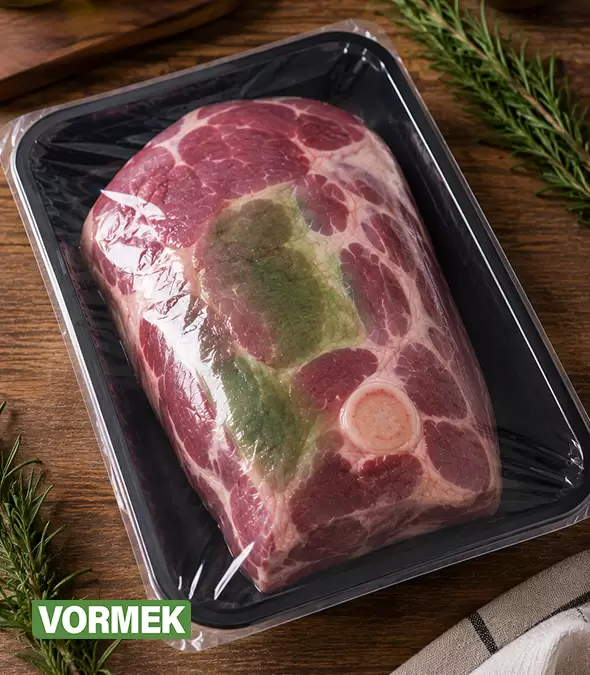
Greening refers to the development of an undesirable green or greenish-brown discoloration in meat products, particularly cured and processed meats such as sausages, hams, and luncheon meats. This discoloration typically appears as green rings, spots, or patches on the product surface or throughout the interior.
Visual appearance varies depending on the specific mechanism involved. Surface greening typically appears as a greenish ring around the product perimeter. Internal greening may manifest as green spots, streaks, or general discoloration throughout the product mass.
Product types affected include a wide range of cured and processed meat products. Sausages, particularly those with higher moisture content, are especially susceptible. Hams, luncheon meats, and other emulsified products may also exhibit greening under certain conditions.
Consumer impact is significant. Green discoloration in meat products is immediately recognizable as a quality defect and strongly influences purchasing decisions. Products showing greening are typically rejected by consumers, resulting in waste and lost sales.
The Role of Microorganisms in Greening
Microbial activity is a primary driver of greening in meat products. Several bacterial species have been identified as significant contributors to this quality defect.
Lactobacillus species are among the most important microorganisms involved in meat greening. These bacteria, commonly present in meat processing environments, can produce hydrogen peroxide (H₂O₂) through their metabolic activities. The accumulation of hydrogen peroxide in the product environment initiates chemical reactions that lead to green discoloration.
Leuconostoc species similarly produce hydrogen peroxide as a metabolic byproduct. These bacteria are particularly problematic because they can grow under conditions that inhibit other spoilage organisms, allowing them to proliferate and cause quality defects even when overall microbial counts appear acceptable.
Other bacterial contributors include various lactic acid bacteria and catalase-negative organisms that lack the enzyme catalase. The inability to break down hydrogen peroxide allows this compound to accumulate and react with meat pigments.
The Role of Catalase Enzyme
Catalase is a naturally occurring enzyme in meat that plays a crucial protective role against greening. Understanding its function is essential for developing effective prevention strategies.
Normal catalase function involves the breakdown of hydrogen peroxide into water and oxygen. This enzymatic activity prevents hydrogen peroxide accumulation and protects meat pigments from oxidative damage.
Catalase inactivation occurs through several mechanisms. Heat treatment during cooking can denature the enzyme. Curing agents, particularly nitrite, can inhibit catalase activity. Processing conditions that affect pH or ionic strength may also reduce enzyme effectiveness.
Consequences of inactivation when catalase activity is insufficient, hydrogen peroxide accumulates in the product environment. This hydrogen peroxide reacts with meat pigments, particularly myoglobin derivatives, producing oxidized compounds responsible for green discoloration.
The Chemistry of Greening
The chemical reactions underlying greening involve complex interactions between hydrogen peroxide, meat pigments, and other product components.
Hydrogen peroxide production by bacteria provides the reactive oxygen species that drive greening reactions. The concentration of hydrogen peroxide in the product environment depends on the balance between bacterial production and enzymatic breakdown.
Pigment oxidation occurs when hydrogen peroxide reacts with heme pigments in meat. Myoglobin, the primary pigment responsible for meat color, undergoes oxidation to form various derivatives. Under specific conditions, this oxidation produces green-pigmented compounds.
Porphyrin oxidation represents a specific pathway leading to green discoloration. The reaction between hydrogen peroxide and nitrosylmyoglobin, the pink pigment characteristic of cured meat, can produce oxidized porphyrin derivatives with green coloration.
Conditions favoring greening include elevated temperatures that accelerate both bacterial growth and chemical reactions, conditions that favor hydrogen peroxide production, and factors that reduce catalase activity.
Understanding Souring in Meat Products
The Phenomenon of Meat Souring
Souring refers to the development of acidic, unpleasant flavors and odors in meat products. This quality defect indicates microbial activity and chemical changes that render products unacceptable for consumption.
Sensory characteristics include sour or acidic taste, unpleasant odors, and often accompanying changes in texture. Products may become excessively firm or soft, and may develop surface slime under advanced spoilage conditions.
Progression of souring typically occurs gradually, with subtle changes detectable before overt quality loss. Early souring may be detected by trained sensory panels before becoming noticeable to consumers.
Economic impact of souring is substantial. Products affected by souring are rejected by consumers, resulting in waste and lost sales. In severe cases, entire production batches may require disposal.
Microbial Causes of Souring
Several bacterial groups contribute to souring in meat products through the production of organic acids and other metabolites.
Lactic acid bacteria are the primary agents of souring in most meat products. These bacteria ferment available carbohydrates, producing lactic acid and other organic acids that lower product pH and create characteristic sour flavors.
Lactobacillus species are particularly important in souring. These bacteria are capable of growth under conditions that inhibit many other spoilage organisms, allowing them to proliferate and cause quality defects.
Streptococcus species may also contribute to souring, particularly in products where they can outcompete other bacteria. Their metabolic activities similarly produce organic acids that lower pH and create sour flavors.
Brochothrix thermosphacta has been identified as a significant contributor to souring in certain meat products. This organism is capable of growth at refrigeration temperatures and produces metabolites that contribute to souring.
Carbohydrate Fermentation
The conversion of carbohydrates to organic acids is the primary mechanism driving souring in meat products.
Available substrates include sugars naturally present in meat, carbohydrates added during processing, and sugar-containing ingredients such as milk powder. The concentration and type of available carbohydrates influence the extent and rate of souring.
Fermentation pathways differ among bacterial species but typically involve the conversion of hexose sugars to lactic acid through glycolysis. Some bacteria produce other organic acids including acetic acid, formic acid, and succinic acid.
pH reduction accompanies organic acid production. As acid accumulates, product pH decreases. The extent of pH reduction depends on acid production and the product’s buffering capacity.
Flavor changes reflect not only increased acidity but also the production of other metabolites including volatile fatty acids, alcohols, and carbonyl compounds. These compounds contribute to the characteristic off-flavors of soured meat.
Factors Influencing Souring
Environmental conditions significantly affect the rate and extent of souring in meat products.
Temperature has a dominant influence on souring. Growth rates of souring bacteria increase with temperature. Even small temperature increases during storage or distribution can accelerate souring significantly.
Water activity affects microbial growth and souring. Higher water activity generally supports faster bacterial growth and more rapid souring. Products with reduced water activity are more resistant to souring.
pH influences the types of bacteria that can grow and their metabolic activities. Most souring bacteria grow optimally at near-neutral pH but can continue activity at reduced pH.
Oxygen availability affects the types of bacteria that predominate. Aerobic conditions favor different organisms than anaerobic conditions, with implications for the specific spoilage characteristics that develop.
Processing Factors Influencing Quality
Raw Material Quality and Handling
The quality of raw materials significantly influences the susceptibility of meat products to greening and souring.
Initial microbial load is a critical factor. Higher initial bacterial counts reduce the time available before spoilage becomes apparent. Raw materials with elevated bacterial loads are more susceptible to greening and souring.
Handling conditions throughout the supply chain affect raw material quality. Temperature abuse, extended storage time, and poor hygiene increase the risk of quality defects.
Source and season may influence raw material quality. Differences in animal diet, health status, and processing conditions affect the composition and stability of meat products.
Curing Practices
Curing agents serve multiple functions in meat products but can contribute to greening under certain conditions.
Nitrite function includes preservation, color development, and flavor enhancement. Nitrite contributes to the characteristic pink color of cured meat products by reacting with myoglobin to form nitrosylmyoglobin.
Nitrite effects on catalase include inhibition of enzyme activity. Under certain conditions, nitrite can reduce catalase activity, increasing the risk of hydrogen peroxide accumulation and greening.
Curing conditions affecting nitrite activity include temperature, pH, and time. Inappropriate curing conditions can promote greening through effects on both microbial growth and enzyme activity.
Thermal Processing
Heat treatment affects meat products through multiple mechanisms that influence greening and souring.
Pathogen destruction through adequate cooking ensures product safety. However, excessive heating can denature catalase and other protective enzymes.
Enzyme inactivation follows predictable patterns with temperature and time. Complete inactivation of catalase requires sufficient thermal exposure but should be balanced against product quality considerations.
Cook temperature and time optimization should consider both food safety and quality objectives. Products that achieve safety requirements with minimal enzyme damage are less susceptible to greening.
Addition of Ingredients
Ingredients added during processing influence product stability and susceptibility to quality defects.
Sugar content provides substrate for bacterial fermentation. Higher sugar levels increase the potential for acid production and souring. Sugar levels should be balanced against product requirements.
Milk powder and other dairy ingredients may introduce bacteria and provide additional substrate for fermentation. The quality and handling of these ingredients affect their contribution to spoilage.
Spices and seasonings can introduce bacterial contamination. Some spices have high bacterial counts that can contribute to spoilage. Proper spice handling and testing are essential for quality control.
The Role of Packaging in Quality Preservation
Oxygen and Quality Deterioration
Oxygen plays a central role in the quality deterioration that leads to greening and souring in meat products.
Oxidative reactions driven by oxygen exposure cause deterioration of pigments, lipids, and other product components. These reactions produce the changes responsible for greening and flavor deterioration.
Microbial growth is influenced by oxygen availability. Aerobic and facultative organisms grow more rapidly in the presence of oxygen, contributing to souring and other quality defects.
Oxygen permeability of packaging materials determines the rate of oxygen ingress into packages. Lower permeability films provide greater protection against oxygen-related deterioration.
Packaging integrity affects oxygen exposure through seal quality. Leaks or seal defects allow oxygen entry, compromising the protective environment.
Modified Atmosphere Packaging Principles
MAP provides a powerful tool for controlling the environmental factors that drive quality deterioration in meat products.
Gas composition control through MAP enables the creation of environments that inhibit spoilage organisms and slow quality deterioration. Careful selection of gas components is essential for effectiveness.
Carbon dioxide effects include inhibition of microbial growth through pH reduction and direct antimicrobial activity. CO₂ is highly effective against many spoilage organisms.
Nitrogen function involves displacement of oxygen and maintenance of package structure. Nitrogen is an inert gas that does not react with product components but helps maintain appropriate atmosphere composition.
Oxygen management in MAP typically involves reducing oxygen concentrations below levels that support aerobic organisms and oxidative reactions. The specific approach depends on product characteristics.
Protective Mechanisms of MAP Against Greening
MAP addresses the specific factors that contribute to greening through multiple mechanisms.
Inhibition of hydrogen peroxide producers by controlling the atmosphere within the package. Reduced oxygen and elevated carbon dioxide levels suppress the growth of bacteria responsible for hydrogen peroxide production.
Maintenance of catalase activity by avoiding conditions that inactivate this protective enzyme. Appropriate gas composition helps maintain the enzyme’s protective function.
Prevention of pigment oxidation through reduced oxygen exposure. Lower oxygen levels slow the oxidative reactions responsible for greening.
Control of secondary reactions by limiting the availability of reactive oxygen species. The package atmosphere’s reduced oxygen content minimizes the formation of compounds that drive greening reactions.
Protective Mechanisms of MAP Against Souring
MAP also provides protection against the factors that drive souring in meat products.
Inhibition of lactic acid bacteria through elevated carbon dioxide levels. CO₂ is particularly effective against the organisms responsible for acid production and souring.
Suppression of fermentation by creating conditions unfavorable for carbohydrate conversion to organic acids. Reduced oxygen and elevated CO₂ slow the metabolic activities that produce souring compounds.
Maintenance of pH stability by limiting acid production. The controlled atmosphere reduces the metabolic activity responsible for pH reduction.
Prevention of flavor changes by inhibiting the production of metabolites responsible for off-flavors. MAP minimizes the formation of the compounds that create sour, acidic flavors.
Packaging Technologies for Meat Products
Tray Sealing Systems
Tray sealing technology provides a versatile approach for packaging meat products with MAP capability.
System operation involves placing filled trays in a sealing station, positioning film over the tray, evacuating air, replacing with appropriate gas mixture, and sealing the film to the tray flange. The sealed package maintains the controlled atmosphere throughout distribution.
Process control is essential for consistent performance. Temperature, pressure, and time parameters must be carefully controlled to achieve reliable seals and maintain atmosphere integrity.
Applications for meat products include sausages, sliced meats, portions, and other processed items. Tray sealing provides excellent product presentation while maintaining quality protection.
Advantages for quality preservation include good barrier properties, reliable sealing, and compatibility with MAP. Tray-sealed products maintain their protective atmosphere and quality attributes effectively.
Thermoforming Systems
Thermoforming offers integrated packaging production for high-volume meat processing operations.
System operation involves forming containers from roll-stock film, filling with product, applying a lid film, sealing, and indexing finished packages. The integrated process ensures consistent quality and atmosphere control.
Process efficiency results from continuous operation and material integration. Thermoforming systems achieve high production speeds with minimal operator intervention.
Applications include whole cuts, portions, processed meat products, and bulk packs. Thermoforming can accommodate diverse product formats and package configurations.
Quality advantages include consistent sealing and atmosphere control through automated operation. The integrated process maintains product quality through controlled handling and packaging.
Vacuum Packaging
Vacuum packaging removes air from the package before sealing, creating an oxygen-depleted environment that inhibits aerobic organisms.
System types include chamber vacuum sealers for batch operations and continuous systems for higher throughput. Chamber systems provide excellent vacuum performance for diverse package formats.
Process characteristics involve product placement in a barrier film package, evacuation of air using vacuum pumps, and sealing. Complete oxygen removal creates conditions that suppress oxidative reactions and aerobic bacteria.
Applications include whole cuts, portions, processed products, and bulk packaging. Vacuum packaging is widely used for meat products requiring extended shelf life.
Quality considerations include the potential for color changes through oxygen removal. Vacuum-packaged meat may appear darker than aerobically stored product but maintains quality attributes effectively.
Skin Packaging
Skin packaging draws film tightly around the product, creating a protective “second skin” appearance.
System operation involves placing product on a rigid base, applying a film, and evacuating air between the film and product. Heat-softened film conforms to product shape, creating a tight seal.
Appearance advantages include excellent product visibility and presentation. The skin packaging highlights product quality and natural appearance.
Protection characteristics include good oxygen barrier and mechanical protection. The tight film conforms to product shape, reducing movement and preventing damage.
Applications include portioned products, value-added items, and products where appearance is important for consumer acceptance.
Quality Control and Prevention Strategies
Raw Material Control
Effective quality control begins with careful management of incoming raw materials.
Supplier qualification programs ensure that raw materials meet specified quality requirements. Regular auditing of supplier facilities verifies ongoing compliance.
Incoming inspection procedures verify raw material quality through appropriate testing. Microbiological analysis, pH measurement, and visual inspection identify potential issues.
Traceability systems enable tracking of raw materials from source through processing. Effective traceability supports quality management and recall capability.
Temperature monitoring throughout the supply chain ensures raw materials are maintained at appropriate temperatures. Temperature abuse can compromise raw material quality before processing.
Process Control
Processing conditions significantly influence product quality and resistance to greening and souring.
Temperature control throughout processing is essential. Holding times and temperatures must be carefully managed to prevent conditions that favor spoilage organisms.
Hygiene management through appropriate sanitation practices reduces microbial contamination. Effective cleaning and sanitization programs minimize contamination risks.
Curing parameters including nitrite concentration and contact time must be carefully controlled. Proper curing conditions help prevent conditions that lead to greening.
Thermal processing time and temperature should be validated for each product. Appropriate heat treatment ensures safety while preserving protective enzymes.
Environmental Control
Processing environment conditions affect product quality through their influence on contamination and product stability.
Facility design incorporating hygienic principles reduces contamination risks. Appropriate material selection, surface design, and drainage support effective sanitation.
Air handling systems must maintain appropriate temperature and humidity conditions. Air quality management reduces contamination from airborne organisms.
Personnel practices including hygiene requirements and protective clothing reduce contamination risks. Employee training supports effective quality management.
Sanitation verification through appropriate testing confirms cleaning effectiveness. Microbiological monitoring identifies potential issues.
Packaging Integrity Control
Maintaining package integrity is essential for preserving product quality throughout distribution.
Seal quality verification through appropriate testing ensures package integrity. Testing methods include visual inspection, destructive testing, and non-destructive methods.
Leak detection systems identify packages with compromised integrity. Automated leak detection can be integrated into packaging lines for in-process quality control.
Package integrity monitoring throughout distribution identifies issues that may affect product quality. Appropriate testing at distribution points verifies continued integrity.
Material quality control verifies that packaging materials meet specifications. Incoming material inspection identifies potential quality issues before use.
Role of Packaging in Greening and Souring Prevention
Modified Atmosphere Packaging serves as a critical intervention for preventing greening and souring in meat products. The protective mechanisms operate through multiple pathways:
Atmosphere control creates conditions that suppress the growth and metabolic activity of spoilage organisms. By reducing oxygen availability and incorporating antimicrobial gases, MAP directly inhibits the bacteria responsible for hydrogen peroxide production and acid formation.
Oxidation prevention through oxygen exclusion protects meat pigments and lipids from oxidative damage. This preservation of pigment integrity prevents the chemical reactions that produce green discoloration.
Temperature stability is enhanced through packaging that maintains product temperature during distribution. Appropriate insulation and temperature monitoring support quality preservation.
Contamination prevention through hermetic sealing prevents microbial contamination after processing. The sealed package maintains product integrity throughout the supply chain.
FAQ Section
What causes greening in meat products?
Greening in meat products is primarily caused by hydrogen peroxide accumulation resulting from bacterial activity or catalase enzyme inactivation. Bacteria such as Lactobacillus and Leuconostoc species produce hydrogen peroxide as metabolic byproducts. When catalase enzyme activity is insufficient to break down hydrogen peroxide, this compound reacts with meat pigments to produce green-colored compounds. Factors contributing to greening include improper curing, temperature abuse, and inadequate packaging.
Why do meat products develop sour flavors?
Sour flavors in meat products result from the production of organic acids by bacteria, primarily lactic acid bacteria and Brochothrix thermosphacta. These organisms ferment available carbohydrates, producing lactic acid and other organic compounds that lower pH and create characteristic sour flavors. Conditions favoring souring include elevated temperatures, high moisture content, and oxygen exposure that supports bacterial growth. Proper refrigeration and appropriate packaging help prevent souring.
How does packaging affect greening and souring?
Packaging affects greening and souring through its influence on oxygen exposure, atmosphere composition, and contamination prevention. Modified Atmosphere Packaging (MAP) controls gas composition to inhibit the bacteria responsible for hydrogen peroxide production and acid formation. Oxygen barrier properties prevent oxidative reactions that contribute to greening. Package integrity prevents contamination that could introduce or support spoilage organisms. Appropriate packaging selection is essential for preventing these quality defects.
What is Modified Atmosphere Packaging and how does it help?
Modified Atmosphere Packaging (MAP) replaces the package atmosphere with a controlled gas mixture tailored to product requirements. For meat products, MAP typically uses reduced oxygen levels combined with carbon dioxide and nitrogen. Carbon dioxide inhibits microbial growth, including the organisms responsible for greening and souring. Reduced oxygen slows oxidative reactions and suppresses aerobic organisms. MAP creates an environment that significantly extends the time before quality defects develop.
What role does catalase play in preventing greening?
Catalase is a naturally occurring enzyme in meat that breaks down hydrogen peroxide into water and oxygen. This enzymatic activity prevents hydrogen peroxide accumulation and protects meat pigments from oxidative damage. When catalase is inactivated through processing conditions such as excessive heating, pH extremes, or inhibition by curing agents, hydrogen peroxide can accumulate and react with pigments to produce green discoloration. Maintaining catalase activity is important for preventing greening.
How can producers prevent greening and souring?
Preventing greening and souring requires comprehensive control throughout production. Key strategies include sourcing high-quality raw materials, maintaining appropriate refrigeration, controlling curing parameters, optimizing thermal processing, implementing effective sanitation programs, and selecting appropriate packaging. Modified Atmosphere Packaging provides important protection through gas composition control. Monitoring and quality control programs identify potential issues before they affect product quality.
What is the role of temperature control in preventing quality defects?
Temperature control is essential for preventing greening and souring. Bacterial growth rates increase with temperature, accelerating both hydrogen peroxide production and acid formation. Even small temperature increases during storage or distribution can significantly accelerate quality deterioration. Maintaining appropriate temperatures throughout the cold chain slows bacterial growth and extends the time before quality defects develop. Temperature monitoring throughout distribution verifies control.
How does oxygen affect meat quality?
Oxygen plays multiple roles in meat quality deterioration. Oxygen exposure drives oxidative reactions that affect color, flavor, and nutritional value. Aerobic bacteria that require oxygen for growth contribute to spoilage. Oxygen availability affects the types of organisms that predominate, influencing the specific spoilage characteristics that develop. Managing oxygen exposure through appropriate packaging is essential for preserving meat quality and preventing defects such as greening and souring.
What packaging technologies are available for meat products?
Several packaging technologies are available for meat products, each with specific advantages. Tray sealing provides versatile packaging with MAP capability for retail-ready portions. Thermoforming offers integrated production for high-volume operations. Vacuum packaging removes oxygen for extended shelf life. Skin packaging provides excellent product presentation with good oxygen barrier properties. Selection should be based on product characteristics, production requirements, and distribution needs.
How does packaging integrity affect meat quality?
Packaging integrity is critical for maintaining meat quality. Seal defects allow oxygen ingress, compromising the protective atmosphere and accelerating quality deterioration. Leaks permit contamination and moisture loss. Package integrity testing throughout production and distribution verifies that packages maintain their protective function. Consistent seal quality through proper equipment operation and maintenance supports quality preservation.
Conclusion
Understanding the scientific basis of greening and souring in meat products is essential for developing effective prevention strategies. These quality defects result from complex interactions between microorganisms, enzymes, and chemical reactions that are influenced by processing conditions, storage environment, and packaging.
Modified Atmosphere Packaging has emerged as a powerful tool for addressing the factors that drive quality deterioration in meat products. By controlling oxygen levels and incorporating antimicrobial gases such as carbon dioxide, MAP inhibits the growth of spoilage organisms and slows the chemical reactions responsible for greening and souring.
Effective prevention requires integrated control throughout the supply chain. Raw material quality, processing conditions, storage environment, and packaging must work together to maintain product quality. Producers who implement comprehensive quality management programs incorporating appropriate packaging technology can significantly reduce losses from greening and souring.
For producers seeking to enhance product quality and reduce waste, collaboration with experienced packaging equipment manufacturers is recommended. Vormek’s engineering expertise and understanding of meat product applications can support equipment selection and implementation. Our precision packaging systems are designed to meet the demanding requirements of modern meat processing operations while maintaining the protective environments essential for quality preservation.