Pengantar Vormek CollectHub
Jalur pengemasan dibangun sebagai rantai hubungan yang terkoordinasi dengan tepat—masing-masing memainkan peran penting dalam kualitas dan efisiensi akhir. Namun apa yang terjadi bila mata rantai terakhir dalam rantai berharga ini putus? Produk yang telah diisi dengan hati-hati, disegel dengan ahli, dan dibuang dengan rapi—jika tidak dikumpulkan dengan benar di akhir lini—dapat membatalkan semua upaya yang telah dilakukan sebelumnya.
ItuKumpulkanHubadalah jawaban atas kebutuhan penting ini. Diposisikan di ujung jalur pengemasan, peralatan ini menerima produk jadi dalam aliran yang teratur dan berkelanjutan, memutarnya dengan lembut hingga mencapai jangkauan operator, dan menyediakan waktu yang cukup untuk pengambilan, inspeksi, dan persiapan pengemasan sekunder.
Filosofi teknis di balik produk ini tercermin dalam prinsip panduannya:Menyederhanakan Pengumpulan Akhir dan Jeda untuk Pengambilan.
Memperkenalkan Teknologi CollectHub
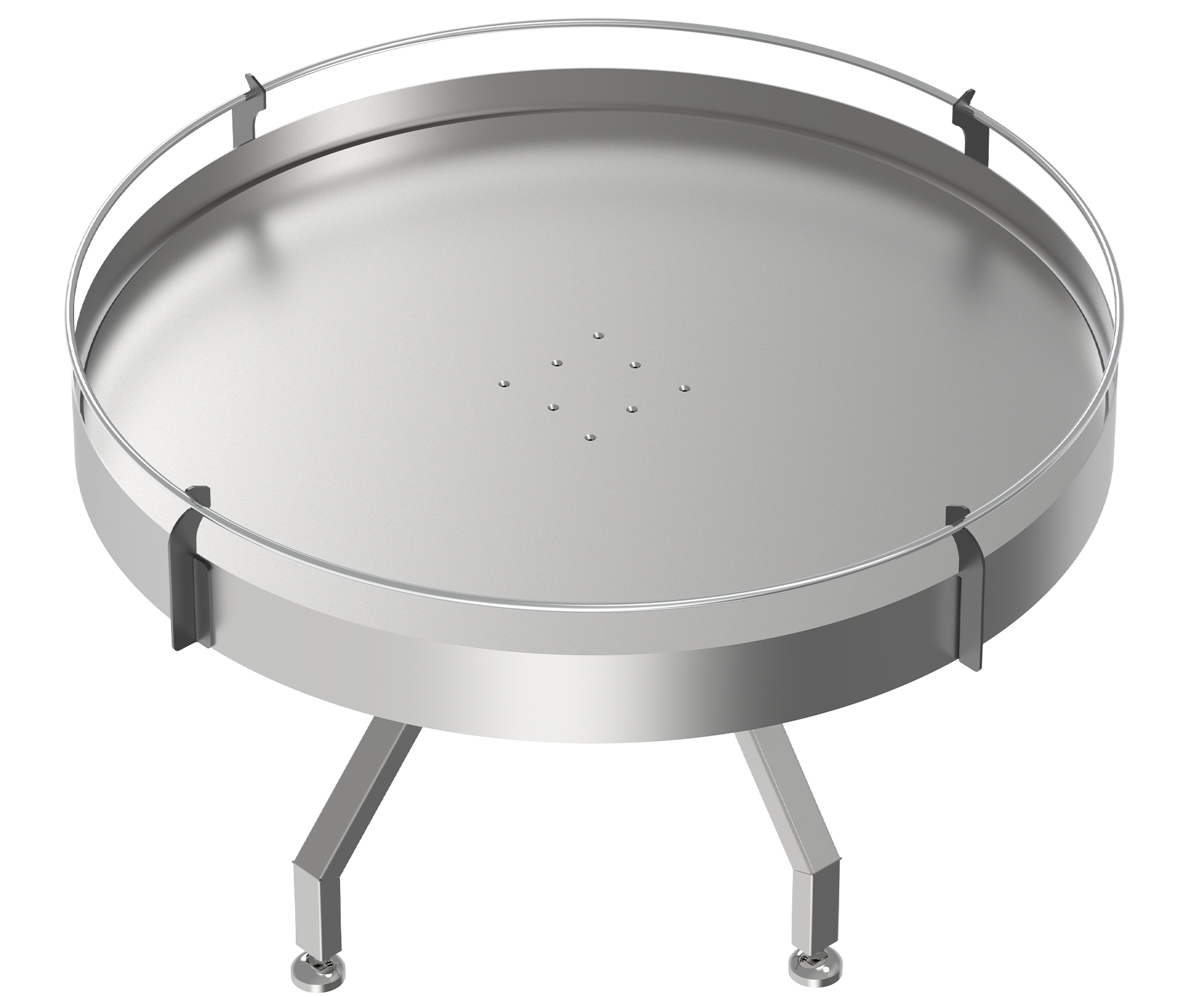
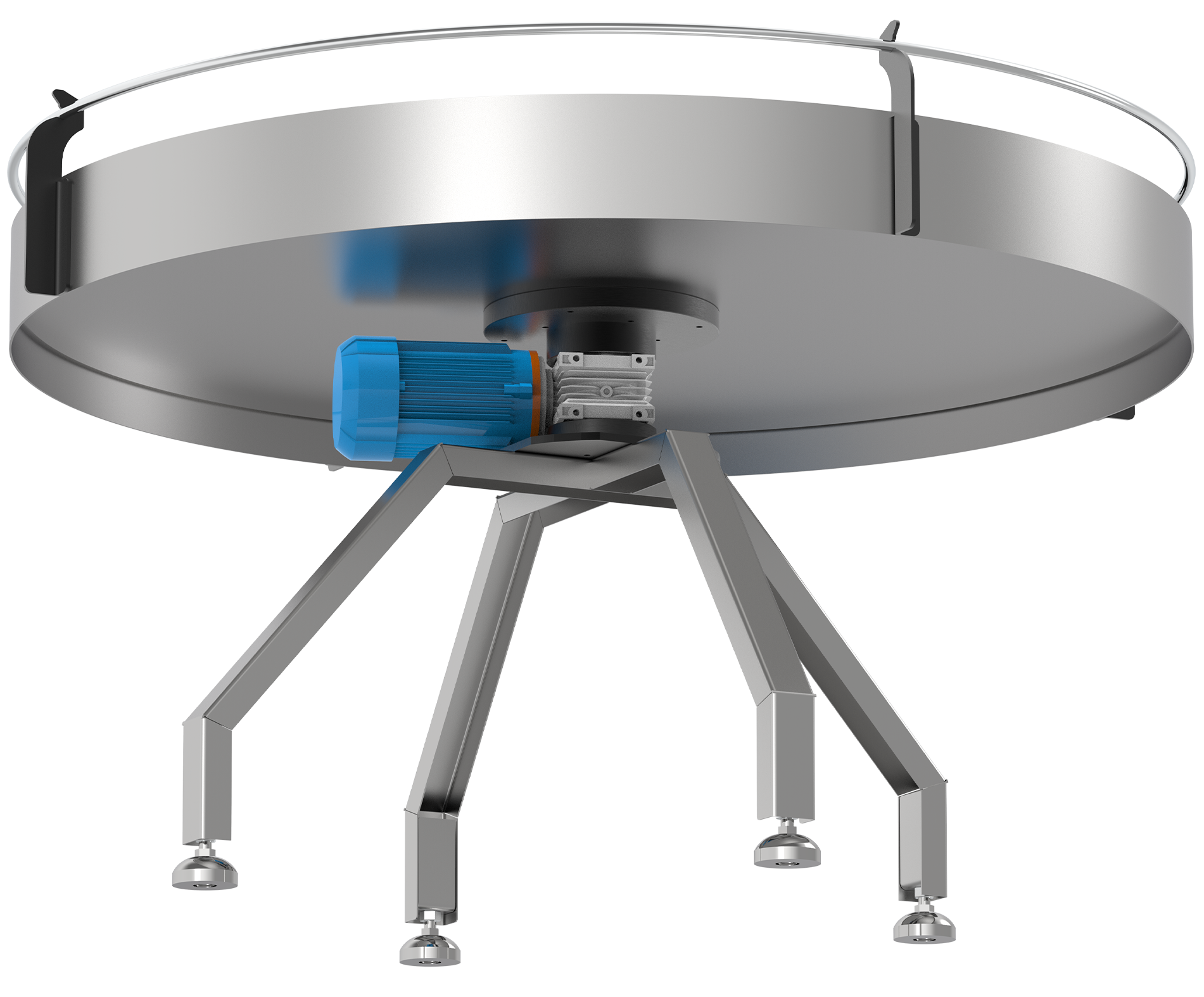
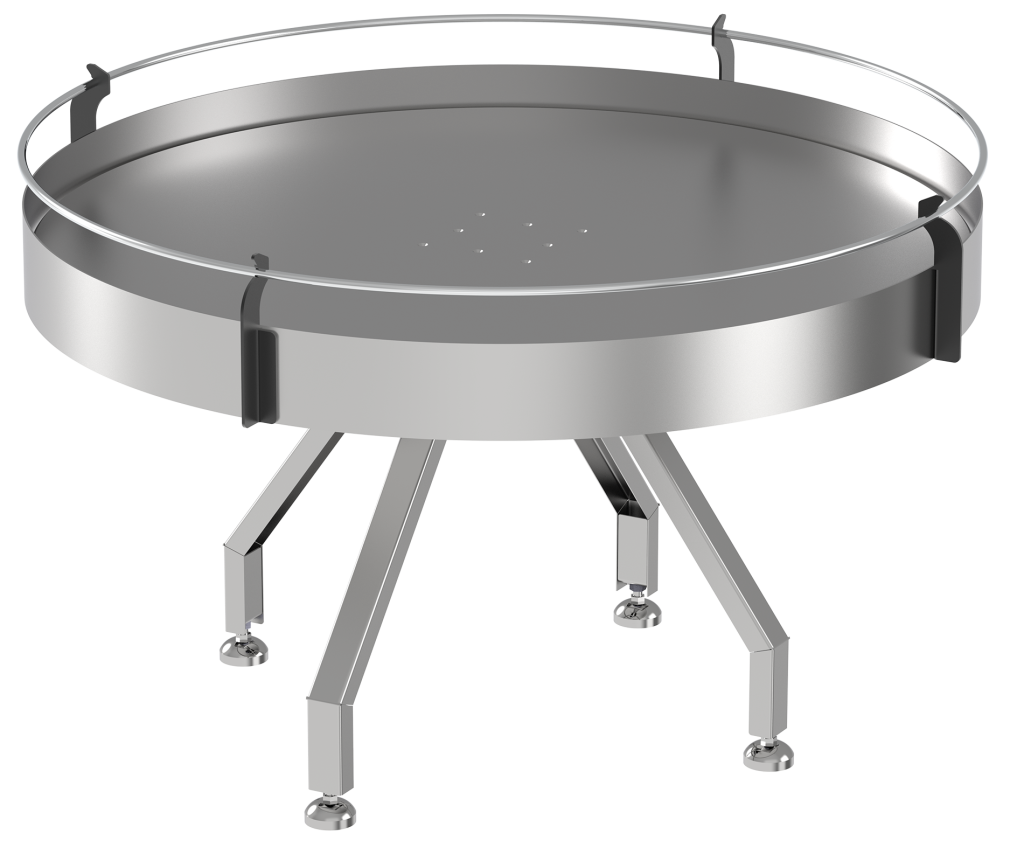
CollectHub adalah meja pengumpul putar yang dipasang di ujung jalur pengemasan (setelah penyegel baki, penggabungan jalur, pelabel, dan printer jet). Ini memiliki platform melingkar berputar yang terus-menerus menerima produk yang dikemas dan menyajikannya kepada operator dengan gerakan yang halus dan seragam.
Vormek memproduksi meja putar industri dalam dua model:
| Model | Diameter Meja | Aplikasi |
|---|---|---|
| VRC-500 | 1000 mm | Jalur berkapasitas sedang, ruang standar |
| VRC-510 | 1500mm | Jalur berkapasitas tinggi, produk lebih besar, atau ruang koleksi lebih besar |
Nama “CollectHub” secara akurat mencerminkan fungsi intinya: pengumpulan terpusat dan melingkar.
Tantangan Tanpa Meja Putar di Ujung Jalur
Untuk memahami pentingnya peralatan ini, pertimbangkan pertanyaan ini: Jika tidak ada meja putar di ujung jalur, di manakah produk dalam kemasan akan dikumpulkan?
Di lini pengemasan, produk yang keluar dari mesin harus dikumpulkan di lokasi yang sesuai sehingga operator dapat mengeluarkannya dengan tenang dan tanpa mengganggu alur produksi. Tanpa meja putar, satu atau lebih masalah berikut biasanya muncul:
| # | Masalah | Keterangan |
|---|---|---|
| 1 | Produk jatuh ke lantai | Akumulasi cepat tanpa ruang pengumpulan yang cukup |
| 2 | Kerusakan pada produk yang dikemas | Kontainer bertabrakan atau jatuh dari ketinggian |
| 3 | Potensi kontaminasi | Kontak dengan permukaan kotor atau debu |
| 4 | Akumulasi tidak teratur | Penumpukan dan penumpukan yang tidak teratur |
| 5 | Mengurangi produktivitas operator | Beban kerja yang tinggi dengan waktu yang tidak mencukupi untuk penghapusan sistematis |
| 6 | Gangguan alur produksi | Kemacetan di ujung saluran menyebabkan penghentian mesin |
Ketika setiap tahap produksi dan pengemasan sebelumnya telah dilaksanakan dengan presisi dan teratur, tidak masuk akal jika produk mengalami kerusakan atau kelainan pada langkah terakhir.
Mengapa Tabel Tetap Bukanlah Alternatif yang Cocok
Beberapa fasilitas produksi menggunakan meja baja tahan karat tetap sebagai tempat pengumpulan. Meskipun pendekatan ini mungkin tampak sederhana pada awalnya, pendekatan ini menimbulkan banyak keterbatasan dalam praktiknya:
| Masalah dengan Tabel Tetap | Keterangan |
|---|---|
| Penumpukan produk | Produk bertumpuk satu sama lain, sehingga mengganggu ketertiban lini |
| Kerusakan kemasan | Tekanan dari penumpukan merusak wadah yang lebih rendah |
| Jatuh dari tepian | Produk mencapai tepi meja dan mungkin jatuh |
| Waktu operator tidak mencukupi | Operator harus terus-menerus mengeluarkan produk, tidak menyisakan waktu untuk tugas lain |
| Kemacetan jalur | Output terhambat oleh akumulasi produk |
Akibatnya, keteraturan dan aliran yang tepat di ujung saluran tidak dapat dicapai dengan tabel tetap.
Cara Kerja CollectHub
CollectHub memiliki platform melingkar berputar yang bergerak terus menerus dengan kecepatan rendah.
Proses Operasi:
| Melangkah | Keterangan |
|---|---|
| 1 | Produk yang dikemas masuk ke meja putar setelah keluar dari mesin utama (tray sealer, Lane Merger, Labeler). |
| 2 | Platform melingkar berputar dengan lembut dan terus menerus. |
| 3 | Produk didistribusikan secara merata ke seluruh permukaan meja. |
| 4 | Operator dengan tenang dan tanpa terburu-buru mengeluarkan produk dari meja. |
| 5 | Produk disiapkan untuk pengemasan sekunder (karton, peti, palet). |
Proses ini memastikan:
- Bahkan distribusi produk
- Tidak ada akumulasi mendadak pada satu titik
- Waktu yang cukup bagi operator untuk mengeluarkan produk
- Kecepatan jalur tanpa gangguan
- Pencegahan produk jatuh dan rusak
Akibatnya, meja putar berfungsi sebagai penyangga—tempat penyimpanan sementara yang secara sempurna mengoordinasikan mesin pengemasan dengan penanganan manual.
Spesifikasi Teknis dan Fitur Teknik
1. Dua Model Berdasarkan Diameter Meja
| Model | Diameter Meja | Aplikasi |
|---|---|---|
| VRC-500 | 1000 mm | Jalur berkapasitas sedang, ruang standar |
| VRC-510 | 1500mm | Jalur berkapasitas tinggi, produk lebih besar, ruang koleksi lebih besar |
Model VRC-510:Jalur Lebih Lebar, Aliran Lebih Halus – Pengangkutan Mulus Sepanjang 1,5 Meter.
2. Konstruksi Baja Tahan Karat Penuh
Meja putar dan rangka utama seluruhnya terbuat dari baja tahan karat 304. Pilihan material ini memberikan ketahanan yang sangat baik terhadap kelembapan, korosi, bahan pembersih industri, dan kondisi lingkungan produksi makanan yang menuntut.
3. Gerakan Halus dan Terus Menerus
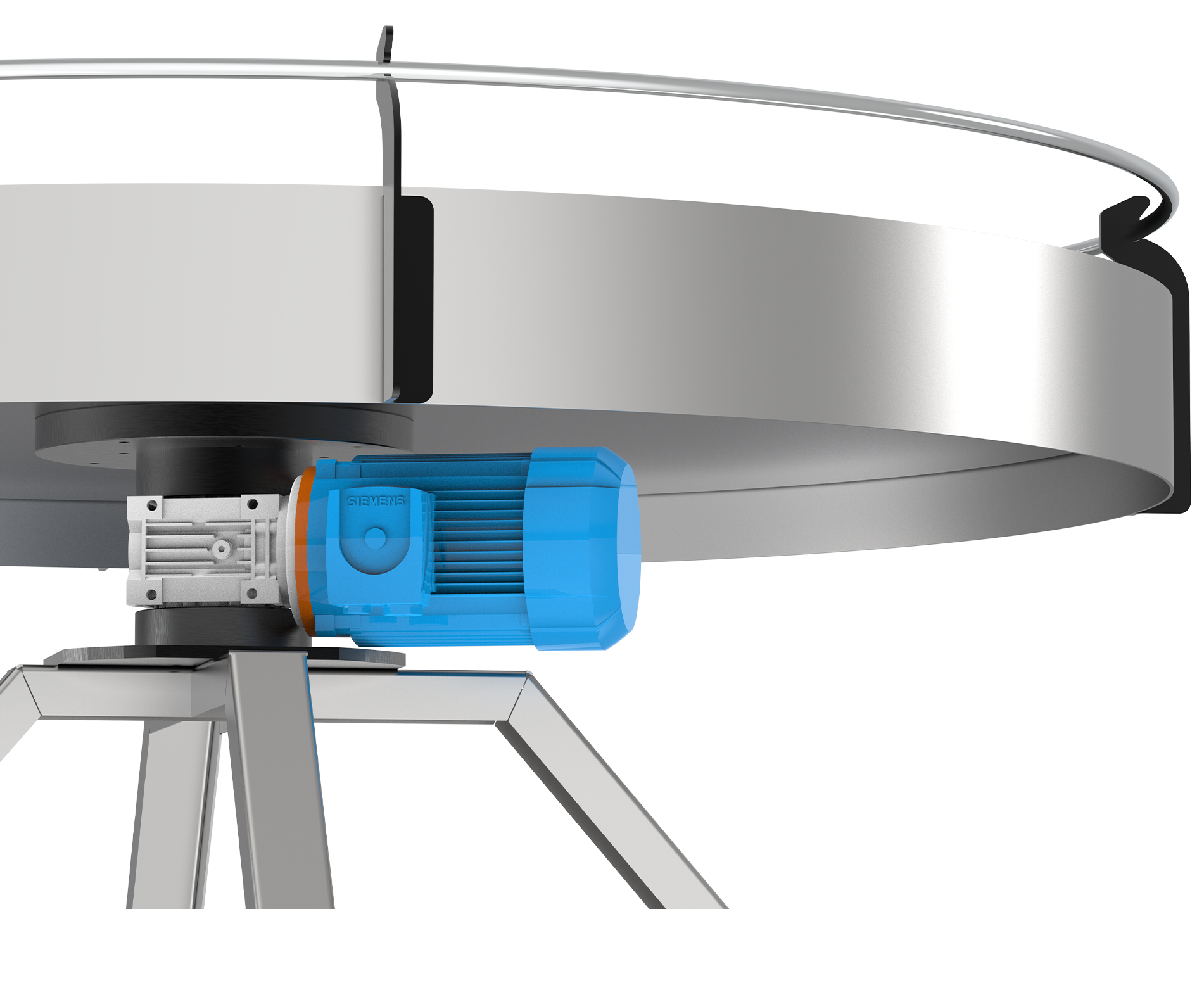
Rotasi meja digerakkan oleh motor listrik industri dengan gearbox yang sesuai. Kecepatan putaran diatur untuk memastikan:
- Produk bergerak tanpa benturan atau getaran
- Operator mempunyai waktu yang cukup untuk mengeluarkan produk
- Akumulasi dan penumpukan dapat dicegah
- Kecepatan putaran dapat disesuaikan jika diperlukan
4. Penyesuaian Ketinggian
Meja putar dilengkapi dengan kaki yang dapat disesuaikan. Operator dapat mengatur ketinggian meja agar sesuai dengan tinggi pembuangan mesin pengemasan dan kebutuhan ergonomis mereka.
5. Desain Higienis dan Dapat Dicuci
Semua permukaan halus, tanpa sudut tajam atau zona mati. Desain ini:
- Mencegah akumulasi kontaminasi
- Membuat pembersihan dan sanitasi cepat dan mudah
- Cocok untuk lingkungan dengan standar kebersihan yang ketat
Investasi Kecil dengan Dampak Signifikan
Banyak produsen yang fokus terutama pada peralatan lini utama (penyegel baki, pengisi, pelabel, dll.), namun mengabaikan pentingnya peralatan bantu akhir lini. Meja putar, meskipun tampak sederhana, memberikan manfaat nyata:
- Dampak langsung pada organisasi lini
- Perlindungan integritas kemasan
- Mengurangi limbah akibat jatuh dan kerusakan
- Peningkatan produktivitas operator
- Pencegahan kemacetan di ujung jalur
Karena alasan ini, meja putar dianggap sebagai standar dalam lini pengemasan profesional—komponen penting yang melengkapi siklus pengemasan.
Kesimpulan
ItuKumpulkanHub– model VRC-500 dan VRC-510 – adalah peralatan sederhana namun penting di akhir lini pengemasan. Dilengkapi platform melingkar yang berputar, konstruksi baja tahan karat 304 penuh, gerakan halus terus menerus, penyesuaian ketinggian, dan desain higienis, alat ini menerima produk jadi dalam aliran yang teratur dan berkelanjutan serta menyajikannya dengan nyaman kepada operator.
Pertanyaan yang Sering Diajukan
1. Apa perbedaan antara model VRC-500 dan VRC-510?
Perbedaan utamanya adalah diameter meja. VRC-500 (1000 mm) cocok untuk saluran berkapasitas sedang dengan ruang standar. VRC-510 (1500 mm) dirancang untuk lini berkapasitas tinggi, produk lebih besar, atau situasi yang memerlukan lebih banyak ruang pengumpulan.
2. Apakah kecepatan putaran dapat disesuaikan?
Ya. Kecepatan putaran dapat disesuaikan agar sesuai dengan kecepatan keluaran mesin pengemas dan kebutuhan operator.
3. Apakah meja putar dapat dicuci?
Ya. Konstruksi dan desain baja tahan karat 304 penuh tanpa zona mati memungkinkan pembersihan menyeluruh tanpa masalah korosi.
4. Apakah ketinggian meja dapat disesuaikan?
Ya. Meja putar dilengkapi dengan kaki yang dapat disesuaikan, memungkinkan operator mengatur ketinggian agar sesuai dengan tinggi pembuangan mesin pengemasan dan kebutuhan ergonomis mereka.
5. Apakah peralatan ini cocok untuk saluran berkapasitas sangat tinggi?
Ya. Model VRC-510, dengan diameter 1500 mm, menyediakan ruang pengumpulan yang luas dan sangat cocok untuk jalur berkapasitas tinggi.