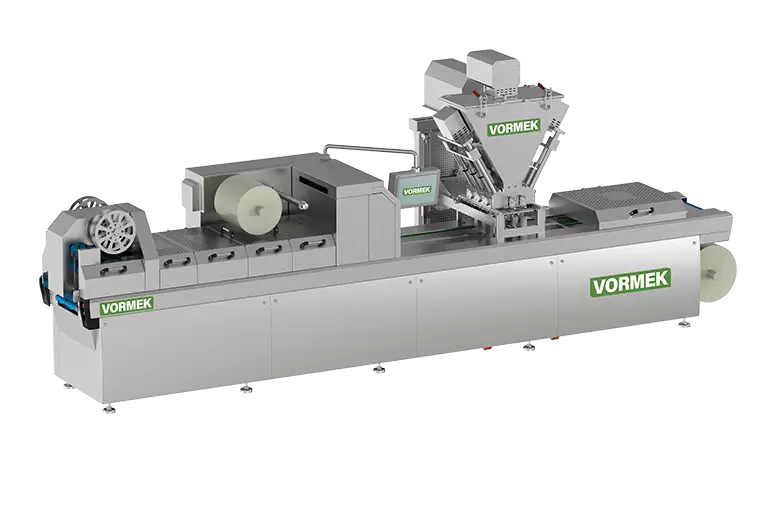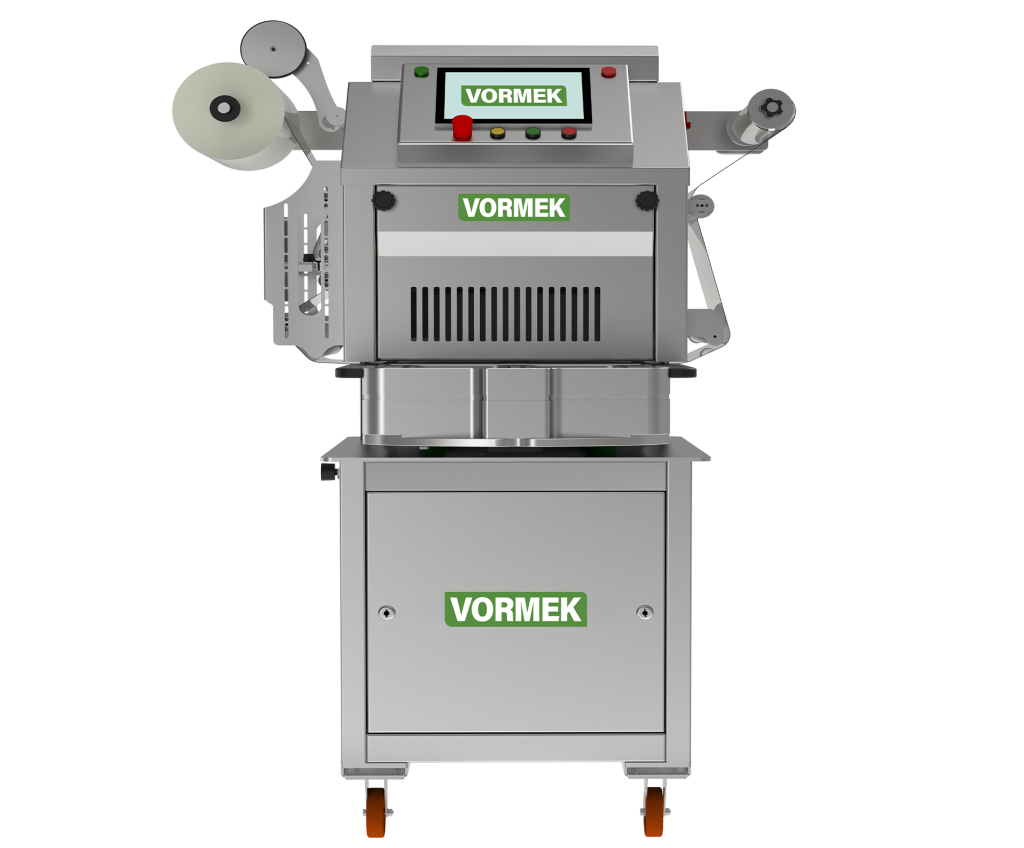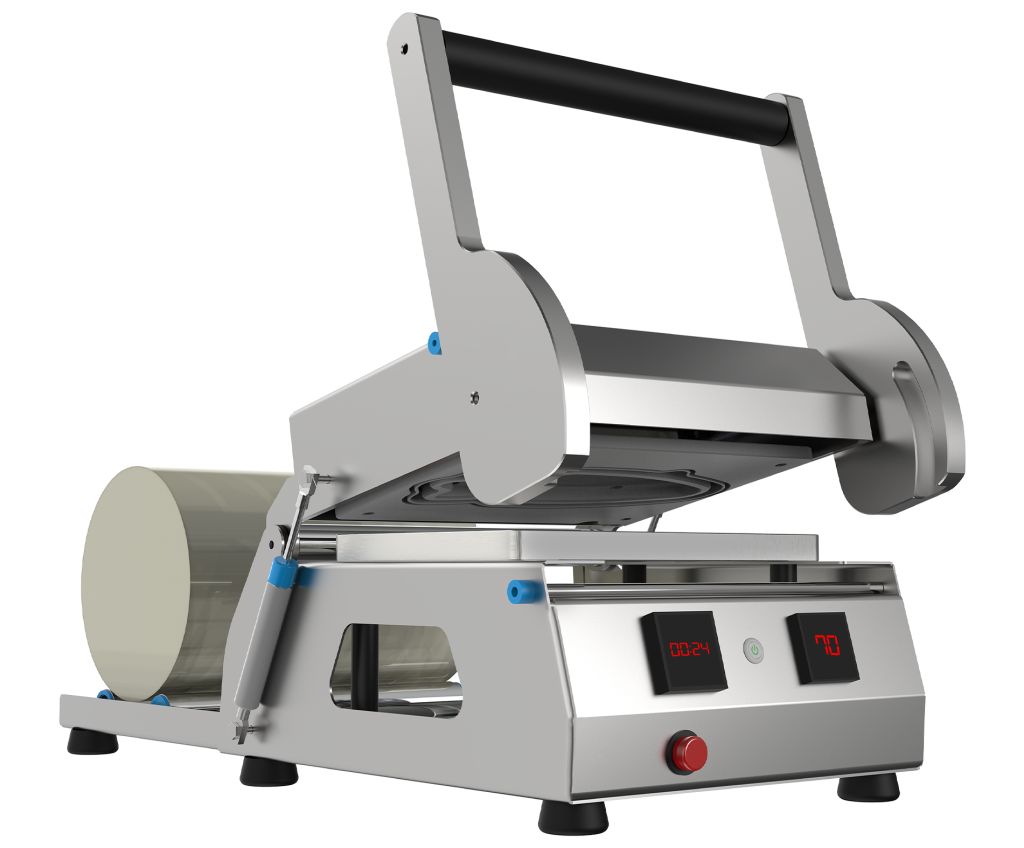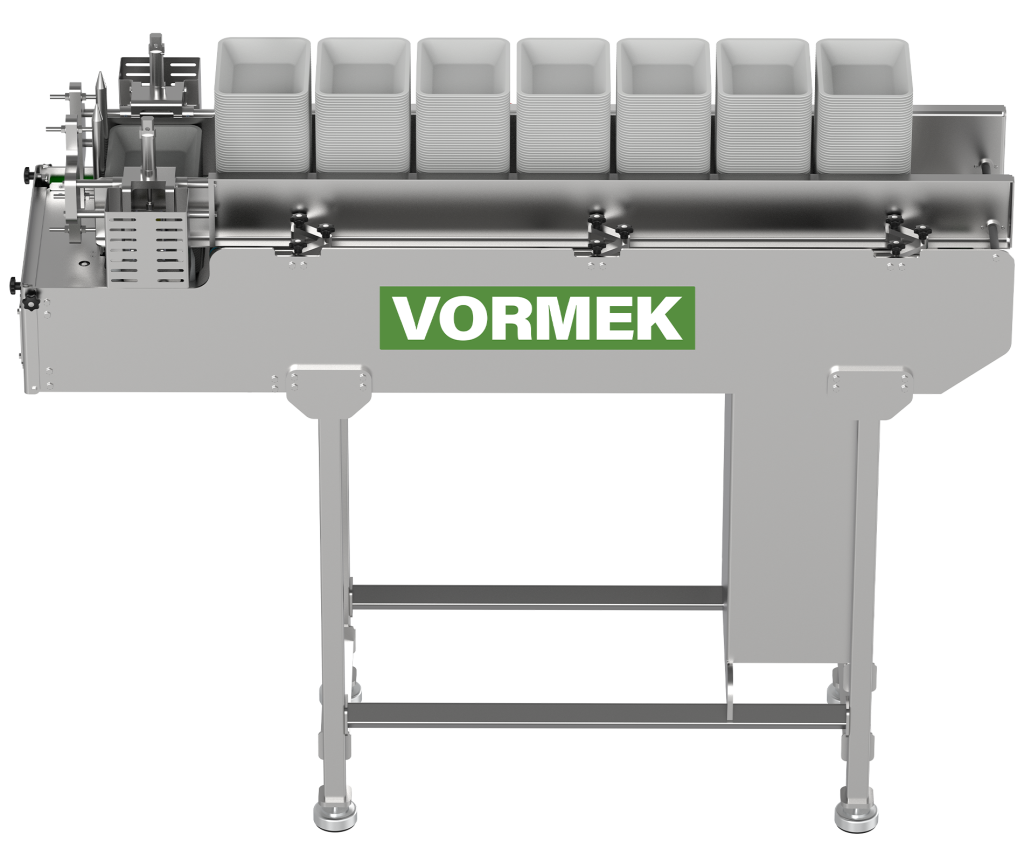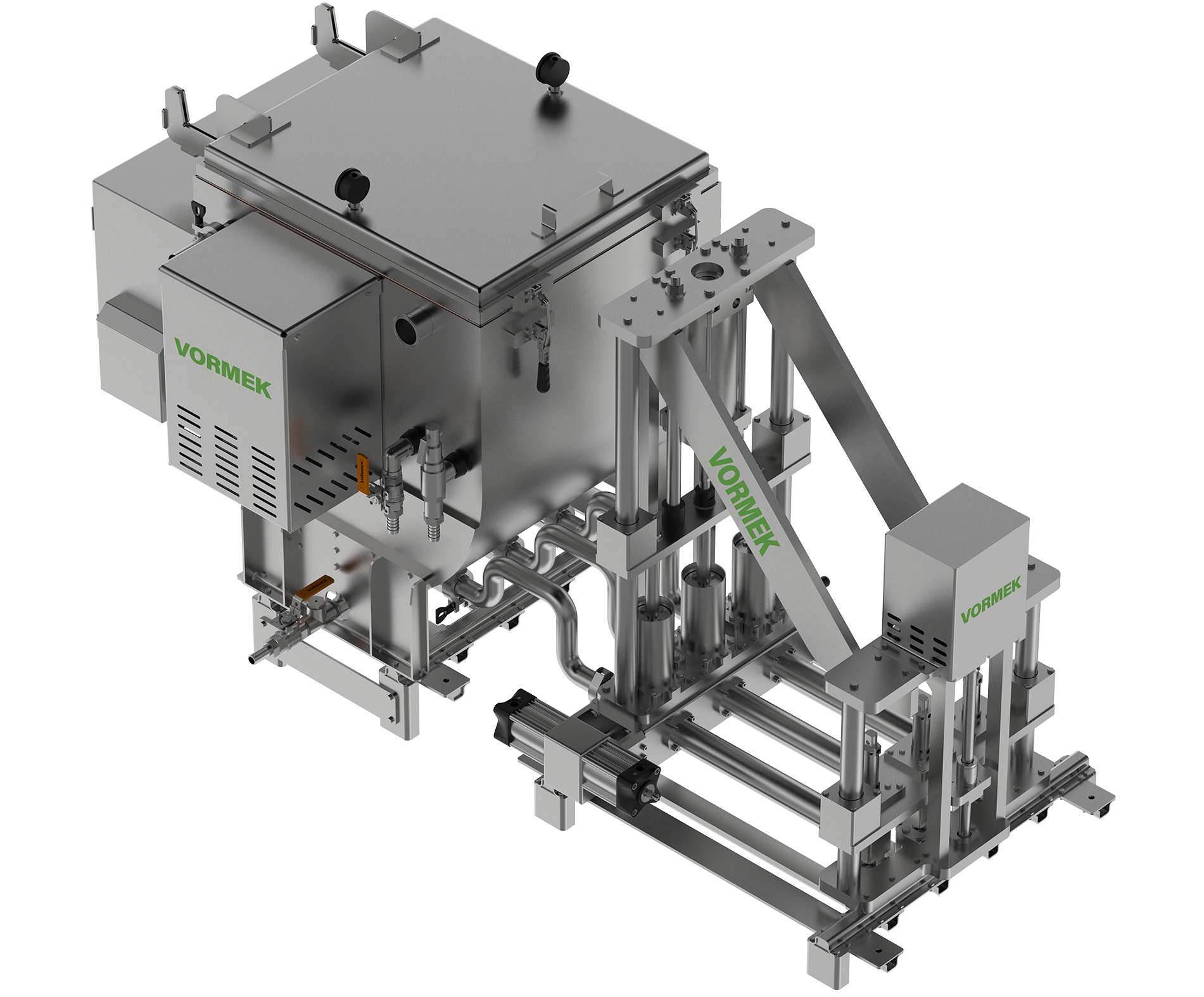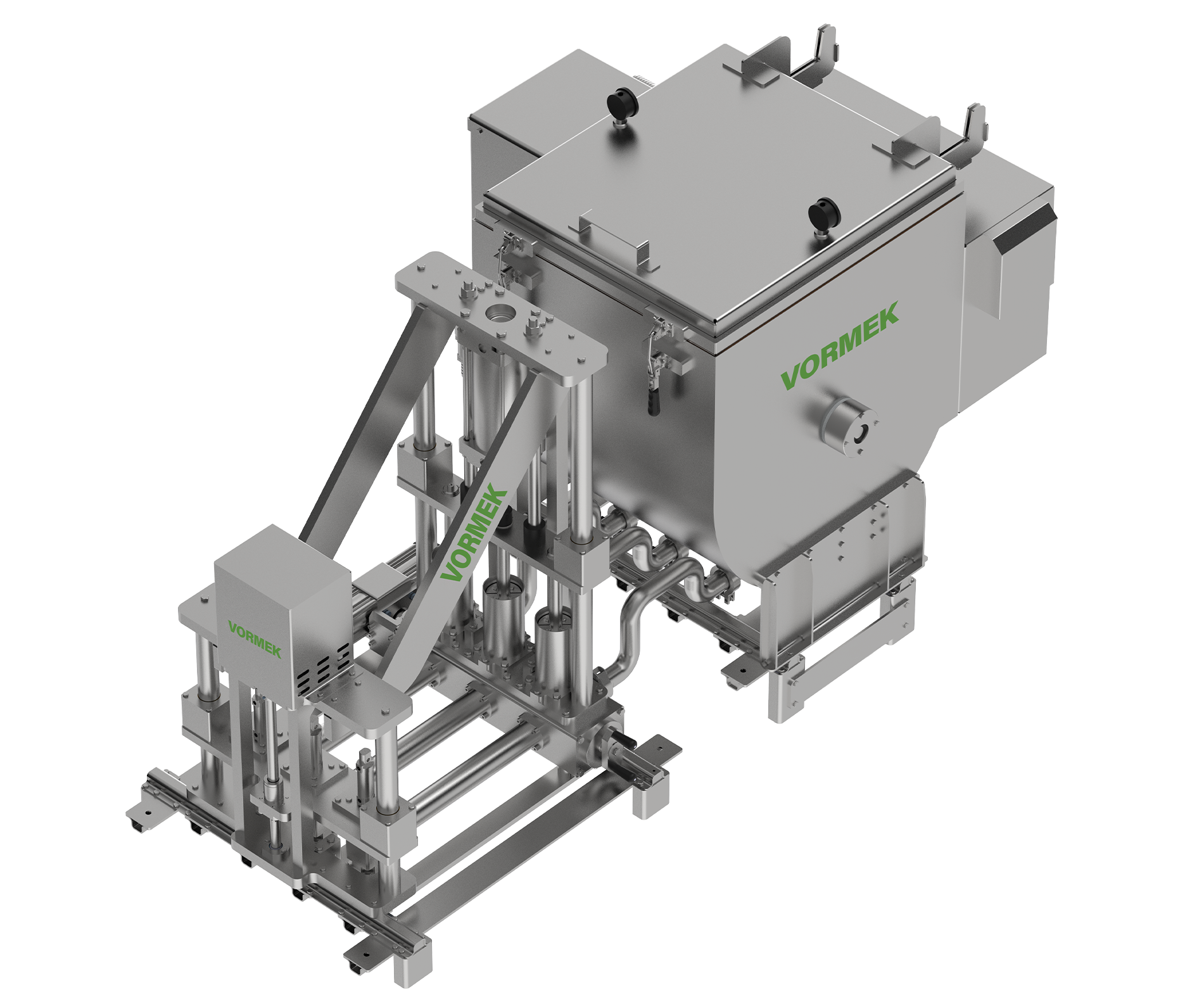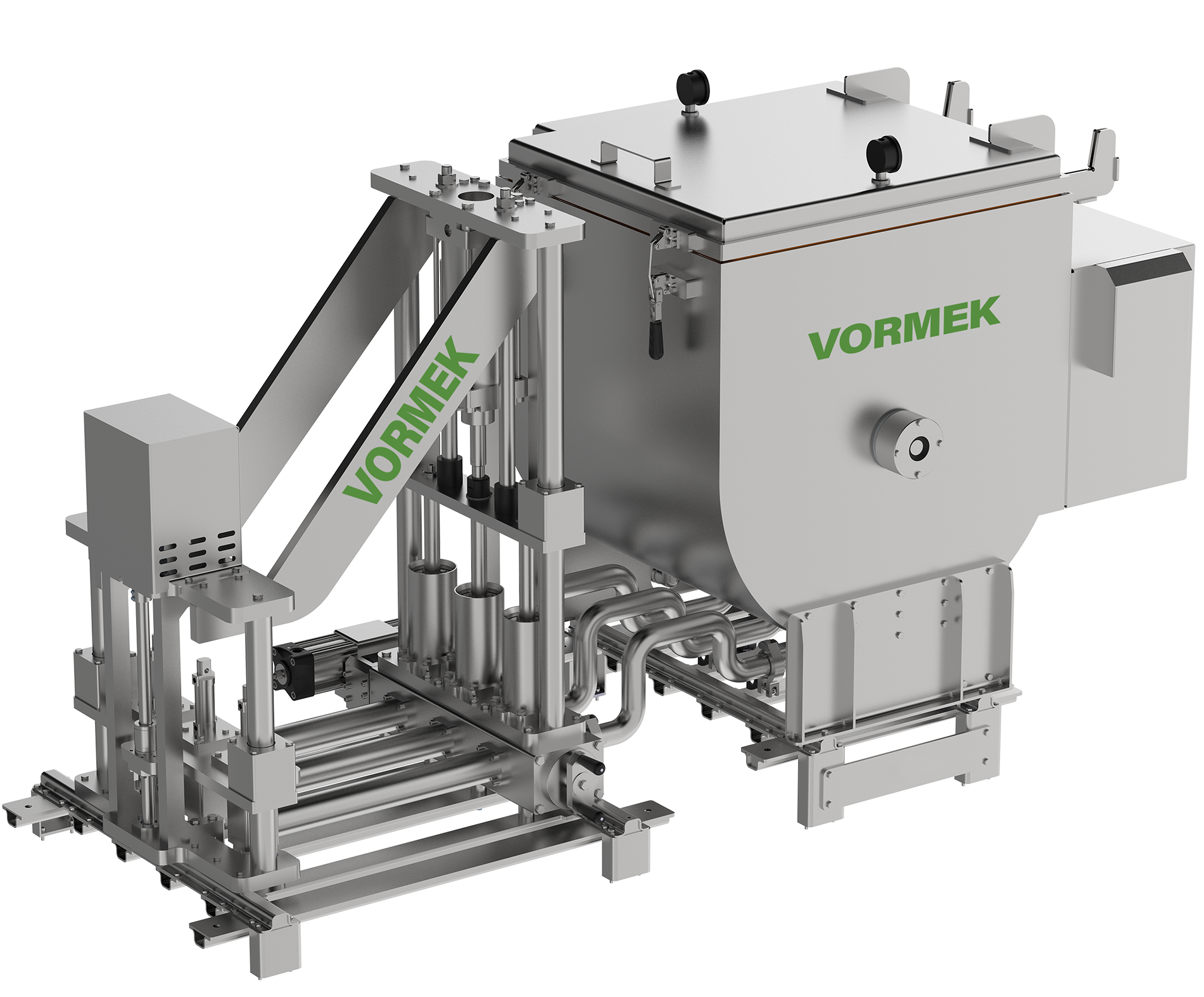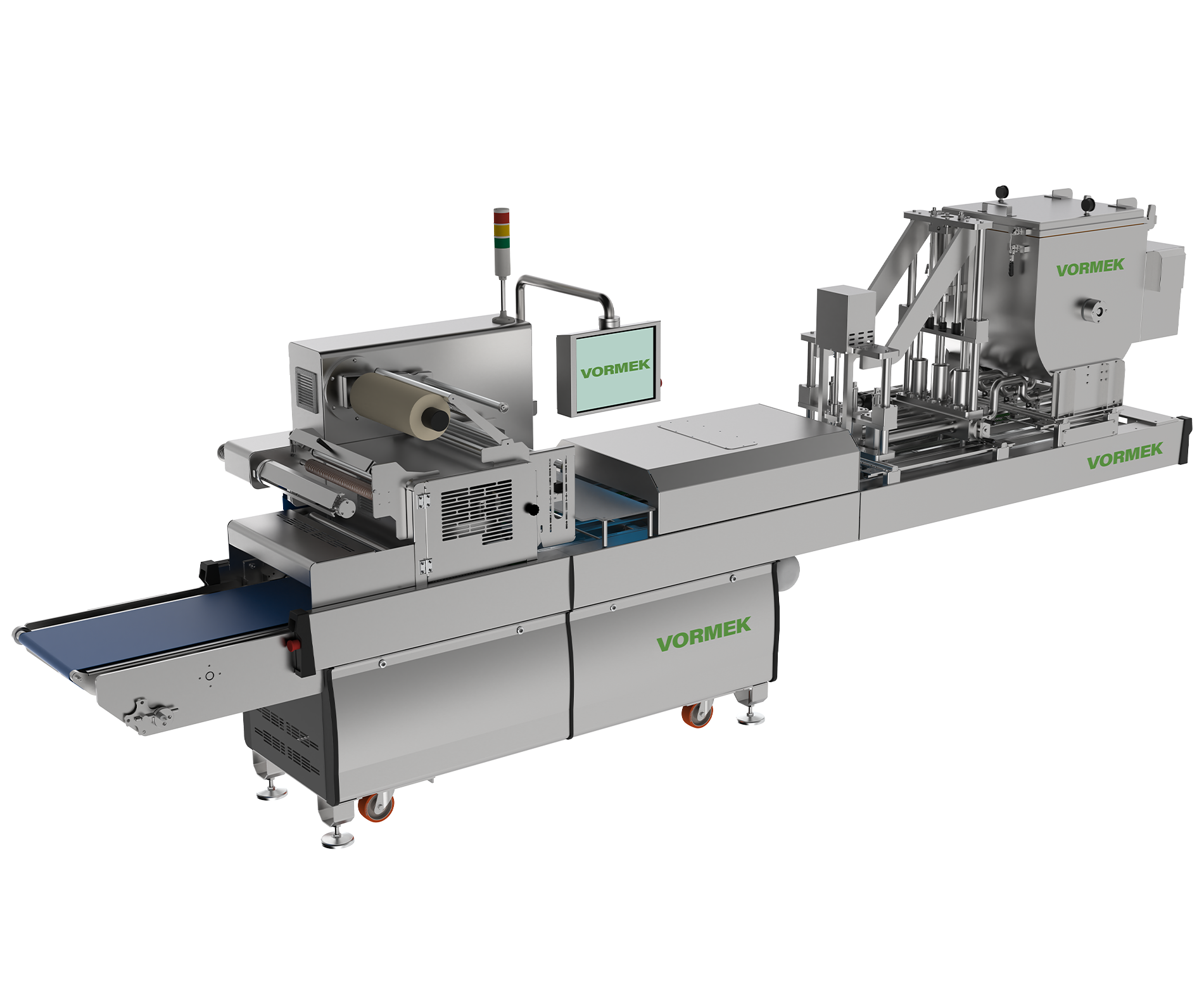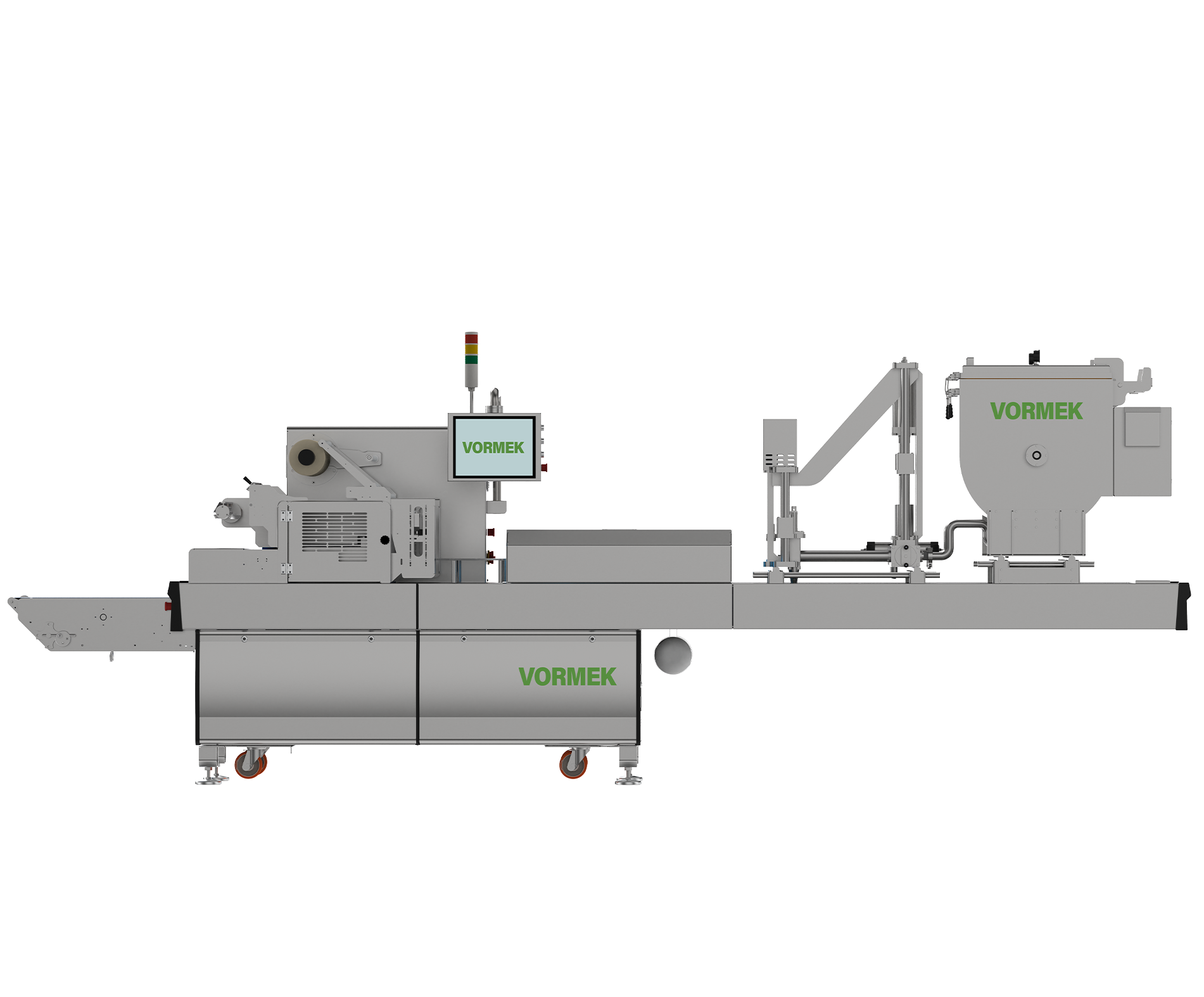
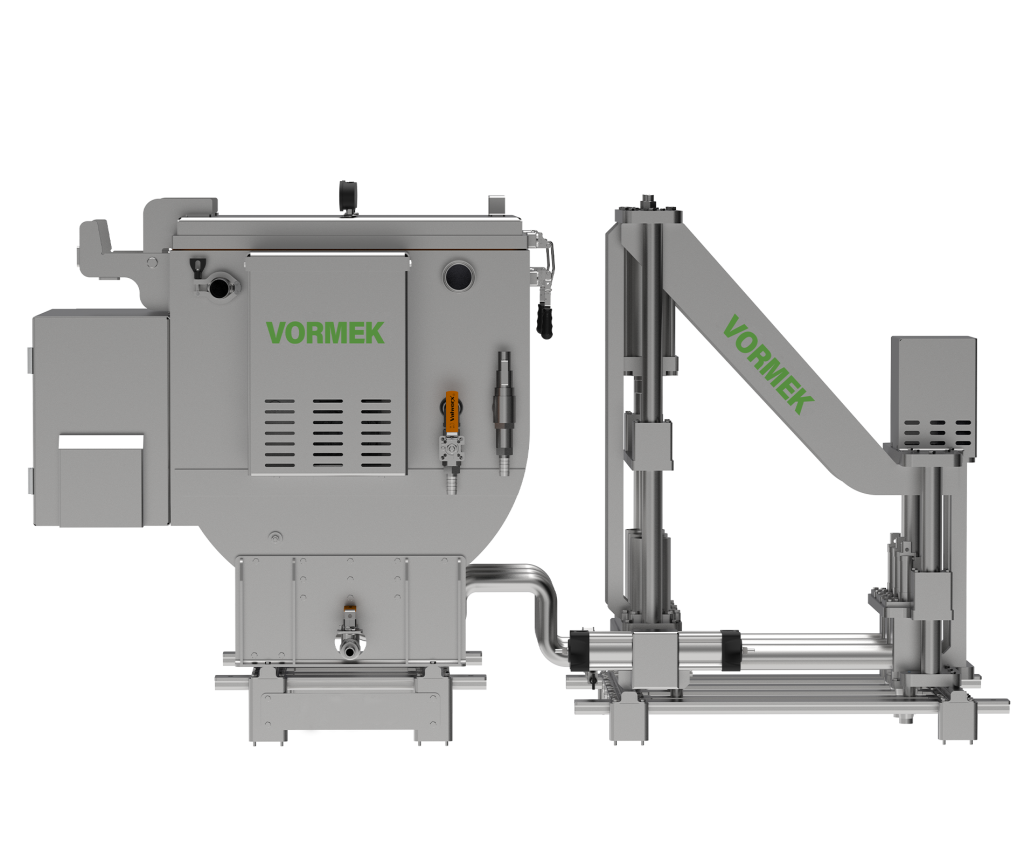
Pengantar Vormek Mechoris Liquid VFL-510
Pengisi gravitasi adalah salah satu metode pengisian yang paling ekonomis dan andal untuk produk dengan viskositas rendah yang mengalir secara alami di bawah gaya gravitasi. Karena pengoperasiannya yang sederhana, mudah dibersihkan, akurasi yang baik, dan biaya perawatan yang rendah, teknologi ini telah menjadi salah satu sistem pengisian yang paling banyak digunakan di berbagai industri.
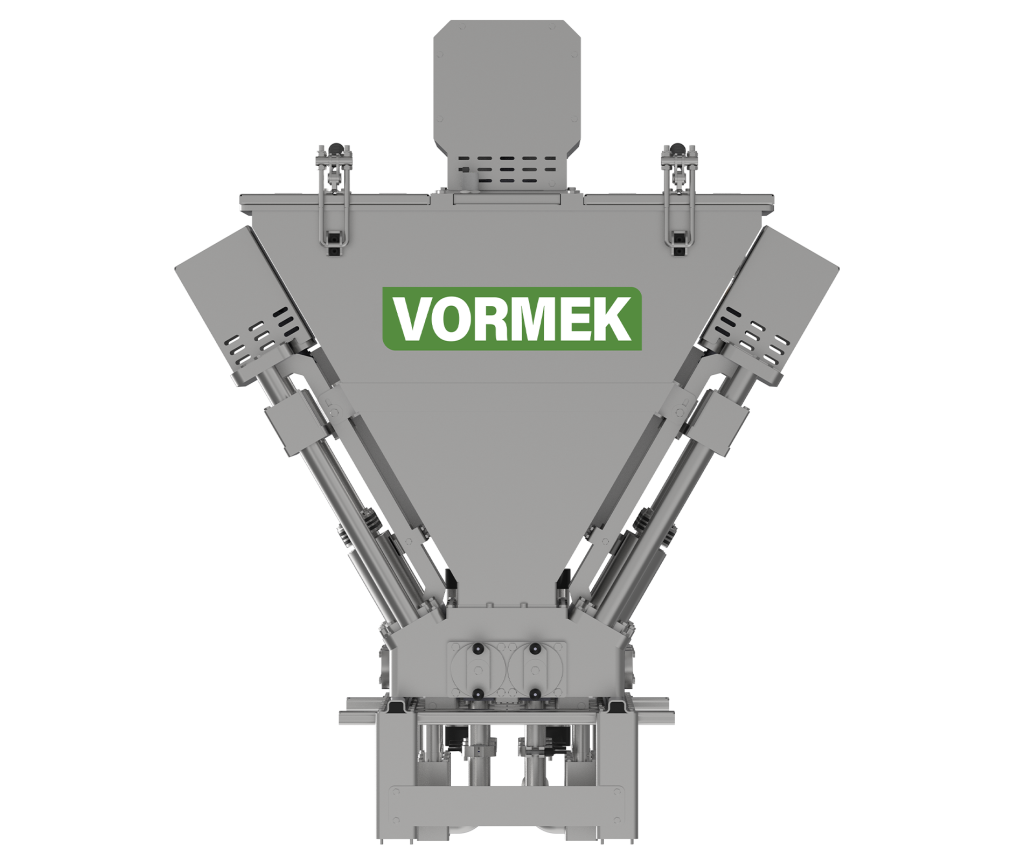
ItuMechoris Cair VFL-510adalah pengisi gravitasi yang memindahkan produk dari tangki ke wadah menggunakan gravitasi. Dalam sistem ini, produk mengalir dari tangki ke nozel tanpa memerlukan pompa bertekanan tinggi atau peralatan rumit, dan dibuang ke dalam wadah. Teknologi ini cocok untuk produk dengan fluiditas yang cukup untuk bergerak secara alami melalui pipa dan nozel.
Dalam industri makanan, susu, farmasi, dan kimia, produk dengan viskositas rendah—seperti air, doogh (minuman yogurt), minuman fermentasi, sulingan herbal, cuka, jus lemon, larutan farmasi, dan serum oral—memerlukan teknologi pengisian khusus karena fluiditasnya yang tinggi, perilaku aliran yang cepat, dan kepekaan terhadap kontaminasi.
Jenis Pengisi Gravitasi
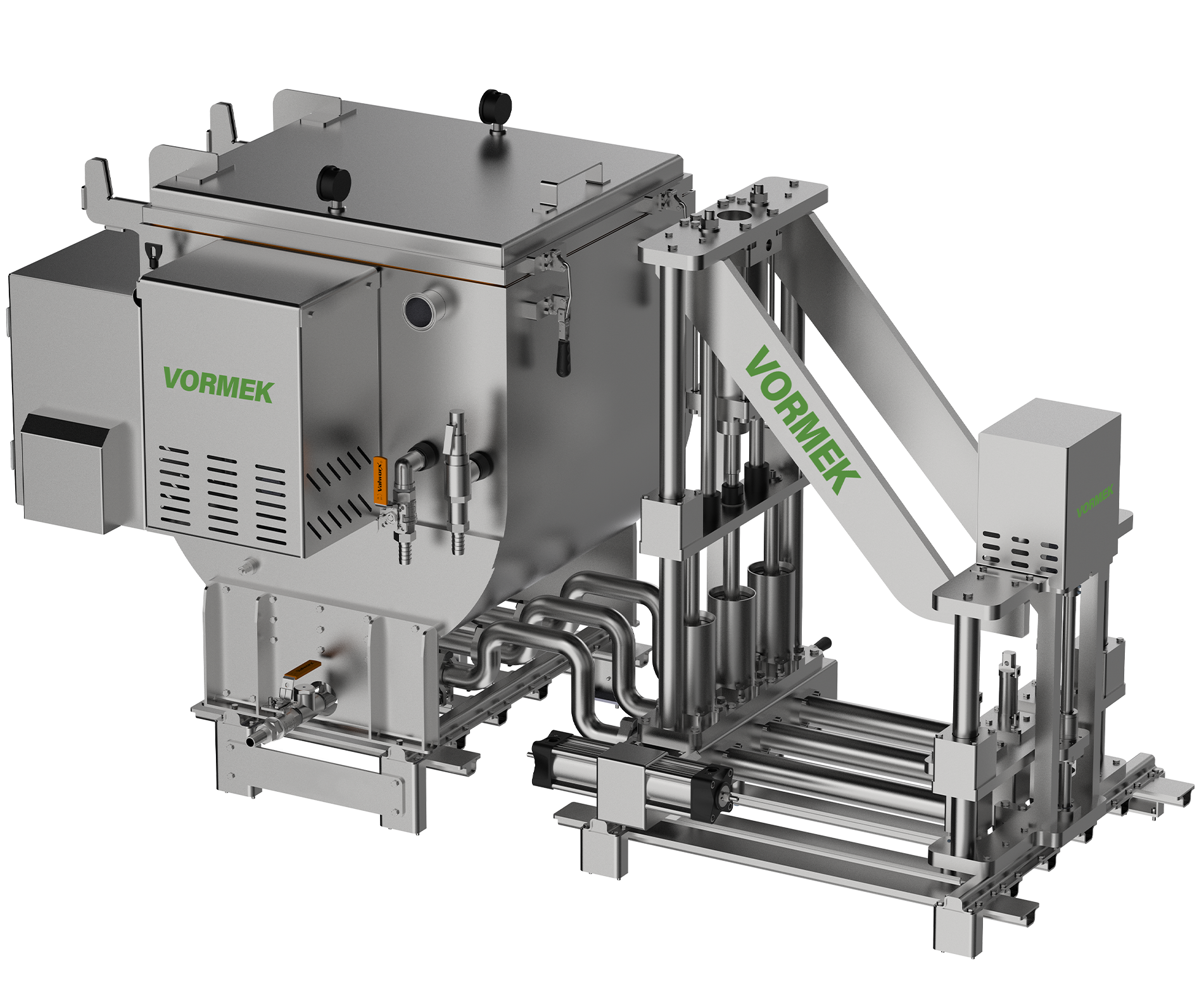
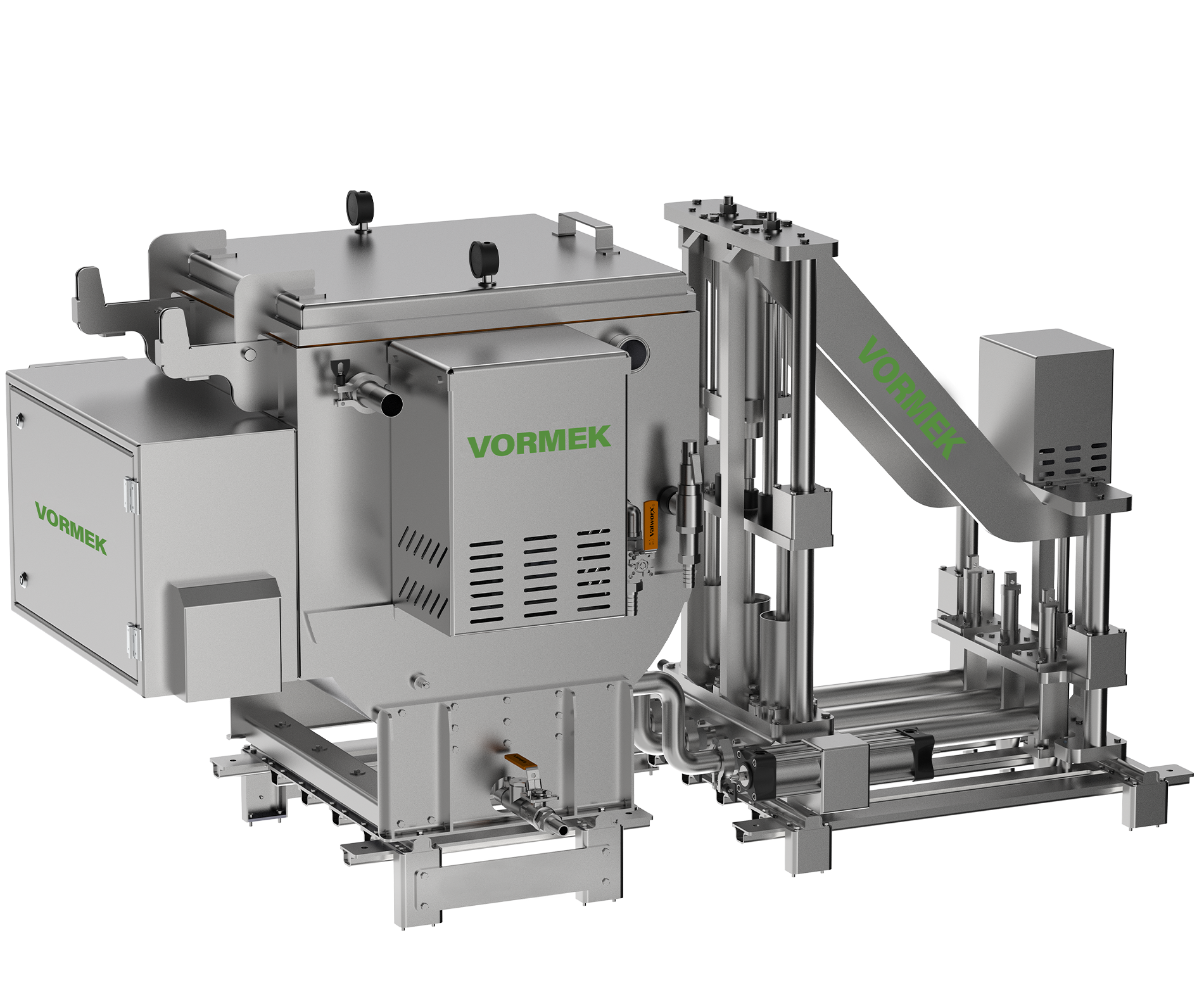
Pengisi Gravitasi Mandiri
Dalam konfigurasi ini, sistem pengisian dipasang secara terpisah di samping mesin pengemas.
Keuntungan:
- Kapasitas tangki lebih besar
- Akses mudah untuk servis dan pemeliharaan
- Kemampuan untuk meningkatkan jumlah nozel
- Cocok untuk jalur produksi berkapasitas tinggi
Model ini biasanya digunakan di pabrik-pabrik besar dan jalur industri berkapasitas tinggi.
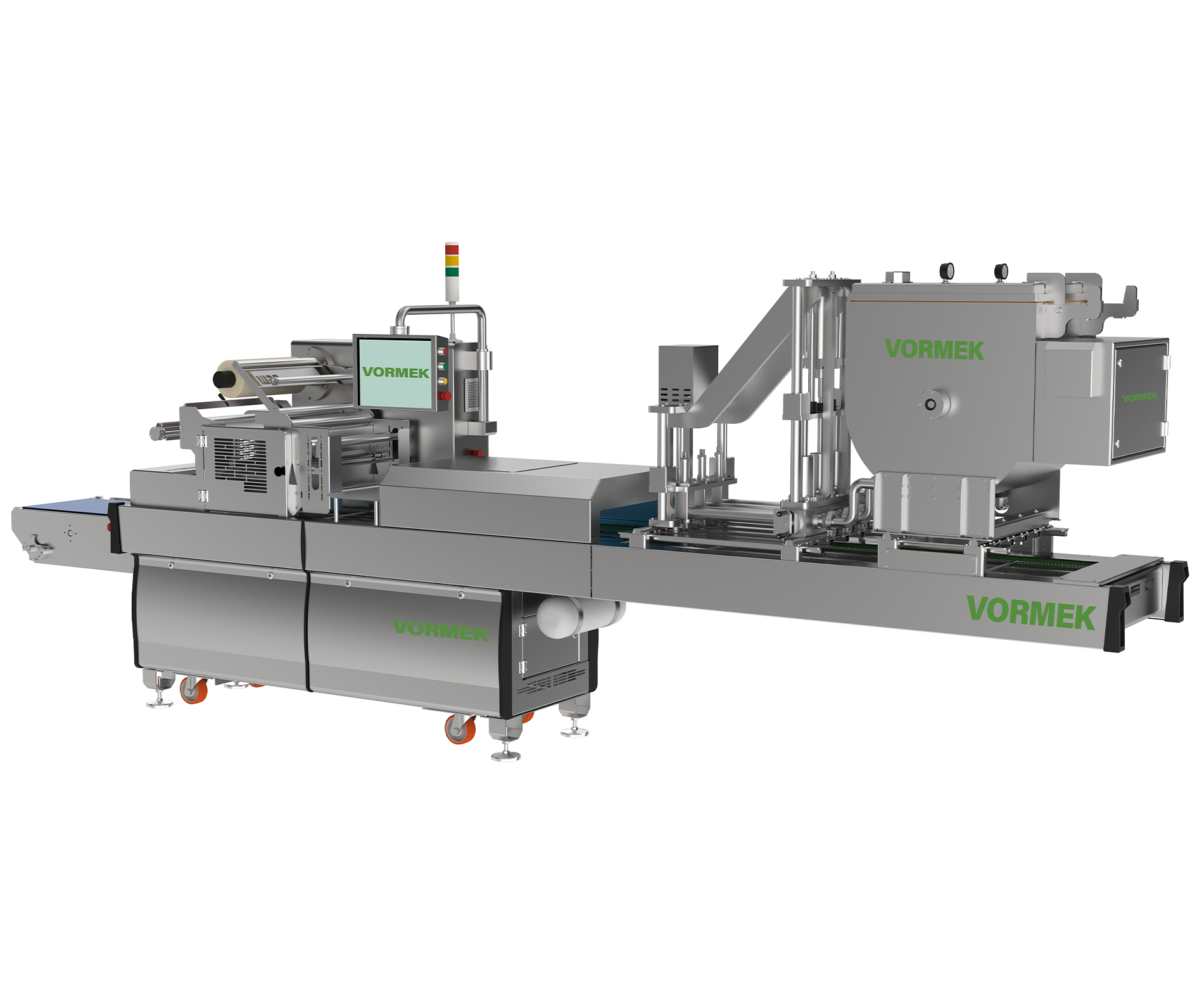
Pengisi Gravitasi Dipasang pada Mesin Pengemas
Dalam konfigurasi ini, tangki dan rakitan pengisian dipasang langsung ke mesin pengemas.
Keuntungan:
- Desain kompak
- Ruang lantai produksi minimal
- Jalur transfer produk yang lebih pendek
- Cocok untuk bengkel dan pabrik dengan keterbatasan ruangan
Pentingnya Pemilihan Jenis Tangki
Salah satu komponen kunci dari pengisi gravitasi adalah tangki penyimpanan produk. Tergantung pada jenis produknya, tangki dapat dirancang dengan dua cara:
Tangki Satu Dinding
Untuk produk yang diisi pada suhu sekitar tanpa persyaratan kontrol termal.
Tangki Berdinding Ganda (Berjaket).
Untuk banyak produk makanan, produk harus diisi pada suhu tertentu. Dalam kasus seperti itu, tangki berdinding ganda digunakan. Air panas atau cairan termal bersirkulasi di antara kedua dinding, menjaga suhu produk selama proses produksi.
Keuntungan dari Tangki Berjaket:
- Menjaga kekentalan produk
- Mencegah penurunan kualitas
- Mencegah pendinginan produk
- Meningkatkan stabilitas proses pengisian
Sistem Agitator – Memastikan Keseragaman Produk
Beberapa produk makanan mengandung partikel tersuspensi yang mengendap di dasar tangki jika pencampuran dihentikan. Untuk mencegah hal tersebut, filler dapat dilengkapi dengan sistem agitator.
Manfaat Menggunakan Agitator:
- Mencegah pengendapan material
- Menjaga kualitas produk
- Meningkatkan akurasi pengisian
- Memastikan keseragaman produk di semua wadah
Kontrol Level Tangki dan Stabilitas Proses
Sistem kontrol level secara otomatis memantau level produk di dalam tangki, mencegah masalah seperti:
- Pengosongan tangki
- Masuknya udara ke dalam sistem
- Produk melimpah
Kontrol Suhu Produk dengan Termokopel
Untuk produk yang suhu pengisiannya sangat penting, sensor suhu sangat penting. Termokopel yang dipasang pada tangki memungkinkan pemantauan suhu terus menerus, memungkinkan operator mengamati dan mengontrol kondisi proses kapan saja.
Nozel Anti Tetes – Menghilangkan Limbah dan Kontaminasi
Masalah umum dalam sistem pengisian adalah produk menetes setelah siklus pengisian berakhir. Pengisi profesional menggunakan nozel anti-tetes.
Manfaat:
- Mencegah pemborosan produk
- Menjaga lingkungan produksi tetap bersih
- Meningkatkan akurasi pengisian
- Mencegah kontaminasi wadah
Teknologi Pengisian Bottom‑Up
Beberapa produk berbusa atau membentuk gelembung selama pengisian. Untuk mengatasi hal ini, sistem pengisian bottom-up dapat digunakan:
Metode:
- Nosel memasuki wadah
- Pengisian dimulai dari bawah
- Nosel meningkat seiring dengan peningkatan level produk
Manfaat:
- Meminimalkan busa
- Mencegah pembentukan gelembung
- Meningkatkan penampilan produk
- Meningkatkan akurasi pengisian
Tantangan Umum dalam Mengisi Produk Cair
| Tantangan | Keterangan |
|---|---|
| Meluap dan terbuang | Aliran cairan yang cepat tanpa kontrol yang tepat menyebabkan pengisian berlebihan dan tumpahan |
| Pembentukan gelembung dan busa | Pengisian berkecepatan tinggi menciptakan gelembung yang mempengaruhi volume sebenarnya |
| Menetes setelah diisi | Kurangnya nozel anti-tetes mencemari lingkungan dan wadah di sekitarnya |
| Kebersihan dan kontaminasi silang | Bagian yang bersentuhan dengan produk harus dapat dicuci dan disanitasi sepenuhnya |
| Perubahan format wadah | Banyak mesin dirancang untuk ketinggian dan diameter tertentu; perubahan memerlukan penyesuaian yang memakan waktu |
Pengisian Volumetrik, Berbasis Waktu, atau Berdasarkan Berat?
Tergantung pada kebutuhan pelanggan, pengisi gravitasi dapat dikontrol dengan metode berbeda:
Kontrol Berbasis Waktu dan Berbasis Aliran
Katup membuka atau menutup berdasarkan waktu yang ditentukan, mengontrol jumlah produk yang diisi ke dalam wadah.
Kontrol Berat Berbasis Sel Beban
Untuk aplikasi yang mengutamakan keakuratan pengisian akhir, sistem sel beban adalah pilihan optimal. Berat produk diukur secara real-time dan dikirim ke PLC. PLC kemudian mengontrol katup bertahap untuk mengatur aliran dan memastikan pengisian yang tepat.
Opsi Proses Pengisian
| Metode | Keterangan | Terbaik Untuk |
|---|---|---|
| Sel Beban + Katup Kontrol | Wadah diisi hingga 90%, kemudian beratnya dikontrol hingga volume yang tepat | Produk bernilai tinggi, akurasi ±3 g |
| Silinder dan Piston | Volume dikendalikan oleh perpindahan positif | Persyaratan viskositas atau akurasi volumetrik yang sedikit lebih tinggi |
| Pengatur Waktu + Kontrol Aliran | Pengisian berdasarkan waktu dan laju aliran konstan | Produk bernilai lebih rendah, kecepatan tinggi, akurasi sedang |
Desain dan Kepatuhan Higienis
Dalam industri makanan, produk susu, dan farmasi, kebersihan bukanlah sebuah pilihan, melainkan suatu keharusan. ItuMechoris Cair VFL-510dirancang dengan prinsip teknik higienis:
| Fitur Higienis | Keterangan |
|---|---|
| Bahan yang bersentuhan dengan produk | Baja tahan karat 316 (tahan terhadap zat korosif dan asam) |
| Tubuh utama | Baja tahan karat 304 (tahan karat, dapat dicuci dengan deterjen industri) |
| Nozel anti-tetes | Mencegah tetesan dan penumpukan cairan pada mesin |
| Permukaan halus, tidak ada sudut mati | Mencegah penumpukan kontaminasi; pembersihan yang cepat dan efektif |
| Akses komponen internal penuh | Pembongkaran, pembersihan, dan sanitasi yang mudah tanpa alat khusus |
Keuntungan Memilih Mechoris Liquid VFL-510
| # | Alasan |
|---|---|
| 1 | Desain khusus berdasarkan kebutuhan pelanggan |
| 2 | Keahlian teknis tim desain |
| 3 | Komponen berkualitas dan otomatisasi standar |
| 4 | Pembersihan sederhana dan cepat |
| 5 | Akses ke layanan dan suku cadang |
| 6 | Kompatibilitas dengan lini pengemasan yang ada |
Tabel 1: Analisis TCO – Pengisi Gravitasi Manual vs. Otomatis
| # | Barang Biaya | Pengisian Manual | Pengisian Otomatis dengan VFL-510 | Tabungan / Deskripsi |
|---|---|---|---|---|
| 1 | Tenaga kerja (gaji + biaya lainnya) | Membutuhkan 2–3 operator | Membutuhkan 1 operator | Pengurangan biaya tenaga kerja sebesar 73%. |
| 2 | Limbah produk (bekas) | 5–10% dari volume produksi | Kurang dari 1% | Pengurangan limbah yang signifikan karena akurasi ±3 g |
| 3 | Waktu henti saluran untuk pembersihan | 2–3 jam per shift | 30–45 menit per hari | Peningkatan waktu produksi efektif |
| 4 | Biaya pembersihan dan sanitasi | Tenaga kerja tambahan + waktu | Desain CIP + akses mudah | Pengurangan biaya dan waktu sebesar 50%. |
| 5 | Suku cadang dan perbaikan tahunan | Hampir tidak ada (perkakas tangan) | Kira-kira. 3–5% dari harga mesin | Biaya rendah, diimbangi dengan berkurangnya waktu henti |
| 6 | Kesalahan manusia dan pengembalian produk | Tinggi (inkonsistensi berat, kontaminasi) | Sangat rendah (konsistensi dan kebersihan tinggi) | Mengurangi pengembalian = meningkatkan kepercayaan pelanggan |
| 7 | Investasi awal (CAPEX) | Nol (pengeluaran bulanan berkelanjutan) | Pembelian mesin (aset tetap) | ROI biasanya kurang dari 12 bulan |
| 8 | Kemampuan mengubah format kontainer | Memakan waktu; membutuhkan alat | Di bawah 5 menit; tidak diperlukan alat | Peningkatan kelincahan garis |
Tabel 2: Manfaat Praktis Memilih Pengisi Gravitasi
| # | Manfaat Praktis | Dampak terhadap Produksi | Dampak terhadap TCO |
|---|---|---|---|
| 1 | Mengurangi ketergantungan tenaga kerja secara signifikan | Satu operator menggantikan 2–3 orang per shift | Pengurangan biaya tenaga kerja sebesar 73% per tahun |
| 2 | Pencegahan kontaminasi silang secara menyeluruh | Desain higienis, baja tahan karat, nozel anti tetes | Mengurangi risiko pengembalian dan limbah higienis |
| 3 | Kompatibilitas dengan berbagai macam wadah | Penyesuaian ketinggian dan nosel yang cepat tanpa alat | Mengurangi waktu henti antar pesanan |
| 4 | Mengurangi limbah produk karena pengukuran yang tepat | Akurasi ±3 g, penimbangan dua tahap | Pengurangan limbah hingga 90% dibandingkan manual |
| 5 | Startup cepat tanpa pengaturan rumit | Pengaturan awal yang mudah; penyimpanan resep di PLC | Peningkatan produktivitas pada awal shift |
| 6 | Pembersihan dan perawatan yang mudah | Pembongkaran dan perakitan kembali komponen dengan cepat | Mengurangi biaya pembersihan; memperpanjang umur mesin |
| 7 | Pergantian nosel cepat | Perubahan manual tanpa alat dalam waktu kurang dari 5 menit | Mengurangi waktu henti; peningkatan fleksibilitas garis |
| 8 | Cocok untuk volume rendah hingga semi industri | Dapat diskalakan dari 500 hingga 5000 unit/jam | Tidak ada investasi tambahan untuk volume yang lebih rendah |
| 9 | Konfigurasi yang dapat disesuaikan | Jumlah nosel, ukuran tangki, tipe kontrol (load cell/piston/timer) | Mengurangi kelebihan biaya; sangat cocok untuk kebutuhan aktual |