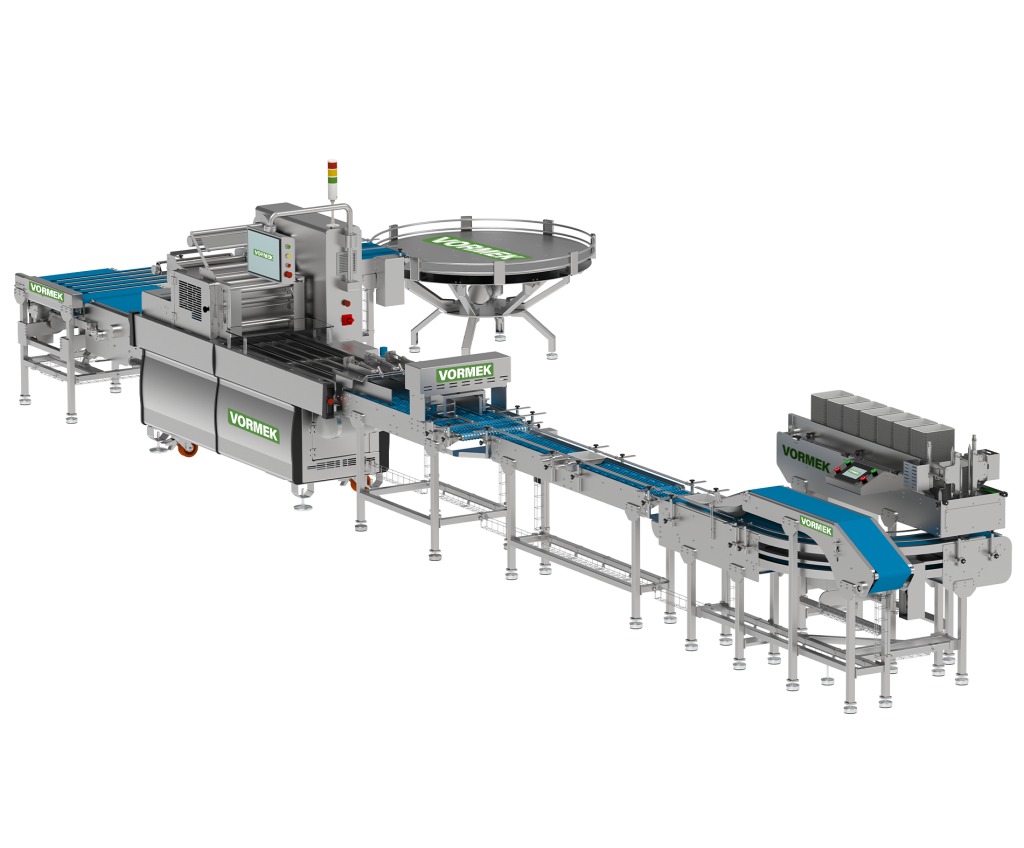
Pengantar Vormek Hygienix VRM-530
Di lini produk daging Hygienix, otomatisasi canggih menggantikan intervensi manusia, menghasilkan proses pengemasan daging yang sepenuhnya higienis—tanpa adanya kontak tangan.
Dalam beberapa tahun terakhir, industri daging dan produk protein semakin bergantung pada kebersihan, konsistensi kualitas, dan perpanjangan umur simpan. Produk seperti daging giling, burger, unggas, dan olahan daging lainnya memasuki fase paling kritis ketika mencapai tahap pengemasan—di mana kesalahan sekecil apa pun dapat berdampak pada keseluruhan rantai produksi.
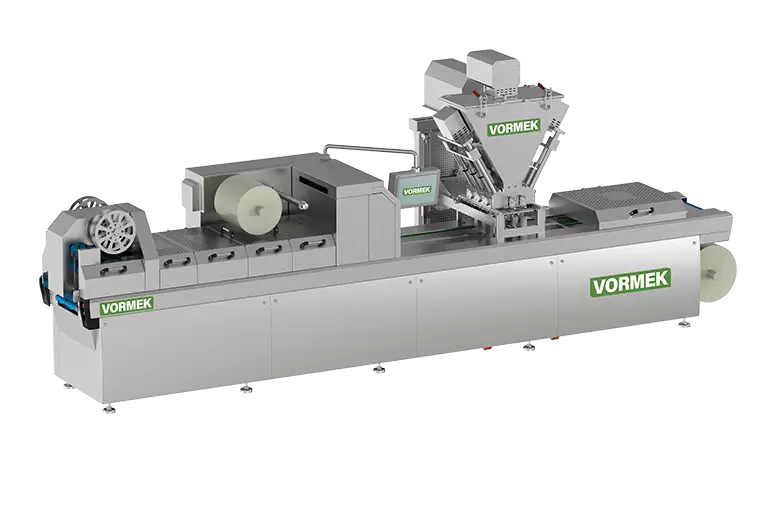
ItuKebersihan VRM-530adalah lini pengemasan rekayasa yang sepenuhnya otomatis yang dikembangkan oleh Vormek. Ia mengelola seluruh proses—mulai dari pemberian baki kosong hingga pembuangan produk jadi—dengan intervensi manusia yang minimal serta presisi dan kebersihan maksimum. Garis enam tahap, pentingnya kebersihan dalam tahap produksi akhir, manfaat operasional, dan spesifikasi teknis dirinci di bawah ini.
1. Pendahuluan
Dalam industri pengolahan protein, pengemasan merupakan akhir dari produksi dan awal dari kehadiran pasar. Produk seperti daging giling, burger, unggas, dan produk daging lainnya—karena kerentanannya terhadap kontaminasi mikroba dan umur simpan yang terbatas—memerlukan kemasan yang menjamin kebersihan, menjaga konsistensi kualitas, dan memperpanjang umur produk.
Lini pengemasan yang standar dan mekanis bukan hanya sebuah pilihan—tetapi merupakan kebutuhan industri. Vormek, dengan fokusnya pada solusi praktis yang dirancang untuk produsen, memungkinkan fasilitas produksi melakukan pengemasan dengan lebih mudah, presisi, dan higienis. Fokus utamanya adalah menghilangkan campur tangan manusia dalam tahap produksi akhir—karena pada titik inilah produk mencapai bentuk akhirnya dan harus dikemas dengan baik agar siap dipasarkan.
2. Pentingnya Kebersihan pada Tahap Produksi Akhir
Ketika produk memasuki bagian pengemasan, produksi pada dasarnya telah selesai. Semakin sedikit kontak langsung operator dengan produk, semakin rendah risiko perpindahan kontaminasi.
Manfaat Menghilangkan Operasi Manual:
| Keuntungan | Keterangan |
|---|---|
| Pengurangan beban mikroba yang signifikan | Menghilangkan kontak tangan dengan produk |
| Pelestarian kesehatan produk | Mencegah pertumbuhan mikroba |
| Umur simpan yang diperpanjang | Mengurangi pembusukan dini |
| Konsistensi kualitas | Menghilangkan kesalahan manusia dan variasi subjektif |
Sebaliknya, intervensi manusia apa pun pada tahap ini dapat memindahkan kontaminasi ke produk—karena pengemasan adalah mata rantai terakhir dalam rantai produksi, dan produk biasanya langsung masuk ke pasar tanpa proses perbaikan apa pun.
3. Terbentuknya Solusi Industri
Berdasarkan pengalaman bertahun-tahun dalam merancang dan memproduksi lini pengemasan untuk berbagai produk, banyak model telah dikembangkan oleh Vormek. Hasilnya adalah desain baru yang selaras dengan standar Eropa yang dihormati—menghadirkan presisi, kebersihan menyeluruh, ketenangan pikiran, dan penyelesaian tantangan produsen.
Garis pengemasan ini diperkenalkan sebagaiKebersihan—metode kerja yang sepenuhnya otomatis.
“Metode dengan proses kerja yang sepenuhnya otomatis mengurangi kesalahan manusia dan meningkatkan kecepatan.”
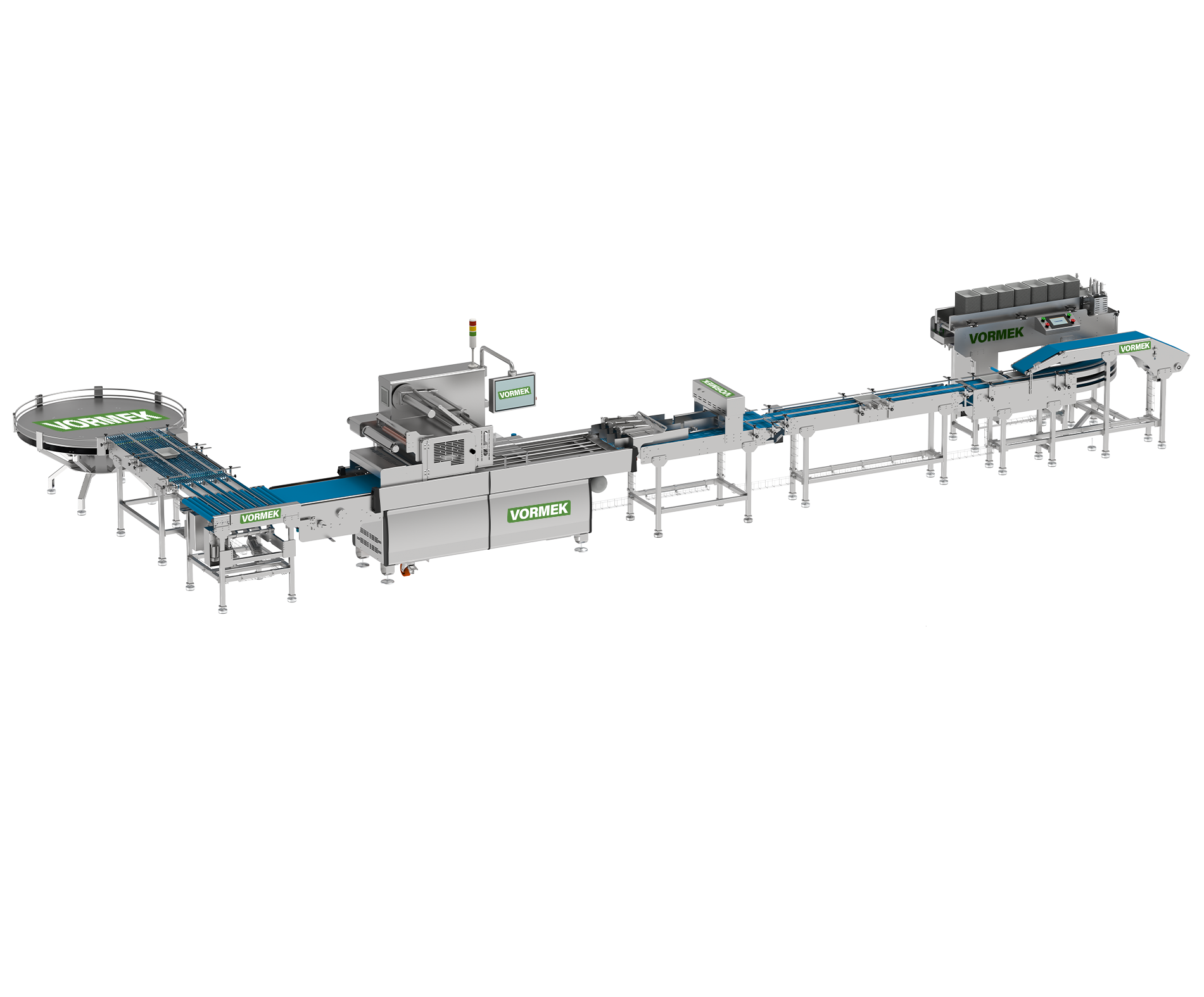
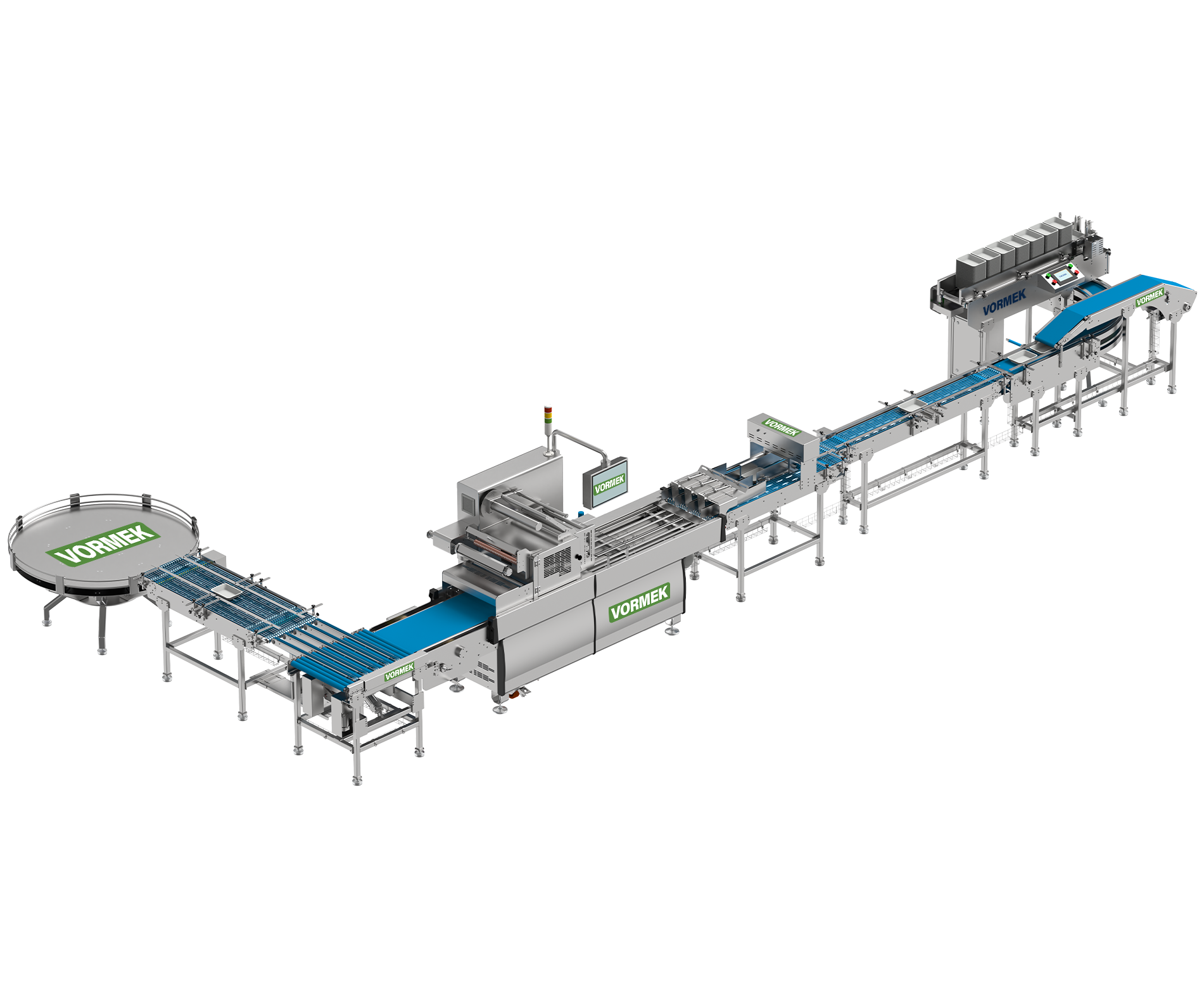
4. Enam Tahapan Jalur Daging Otomatis Penuh
Tahap 1: Pengumpanan & Pemosisian Baki
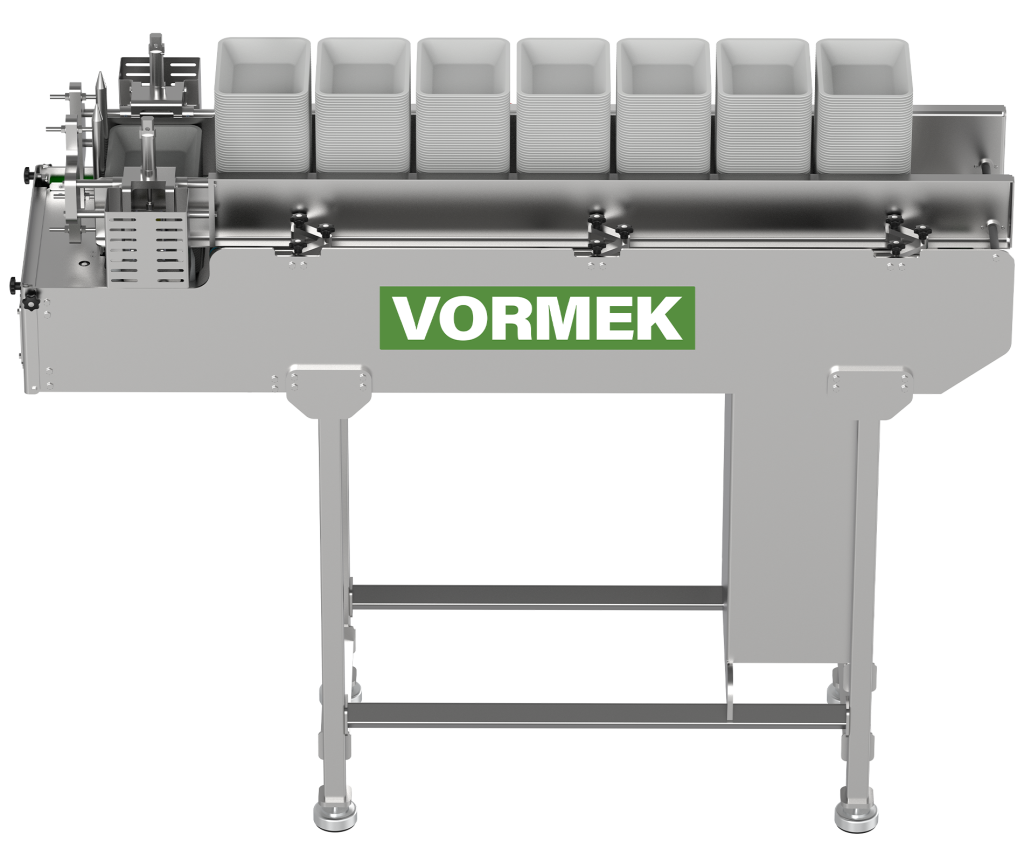
Pada awal jalur, denester otomatis menempatkan baki ke konveyor tanpa campur tangan operator. Baki kemudian dipandu melalui konveyor modular ke bagian berikutnya.
Fitur Desain:Denester diposisikan sejajar dengan jalur produksi, sehingga mengurangi panjang keseluruhan tapak dan meningkatkan pemanfaatan ruang. Konveyor tambahan di jalur baki menangani pemindahan dan pemuatan produk.
Tahap 2: Pemuatan Produk Otomatis
Contoh: Pengemasan daging giling:
- Daging masuk ke dalam penggiling
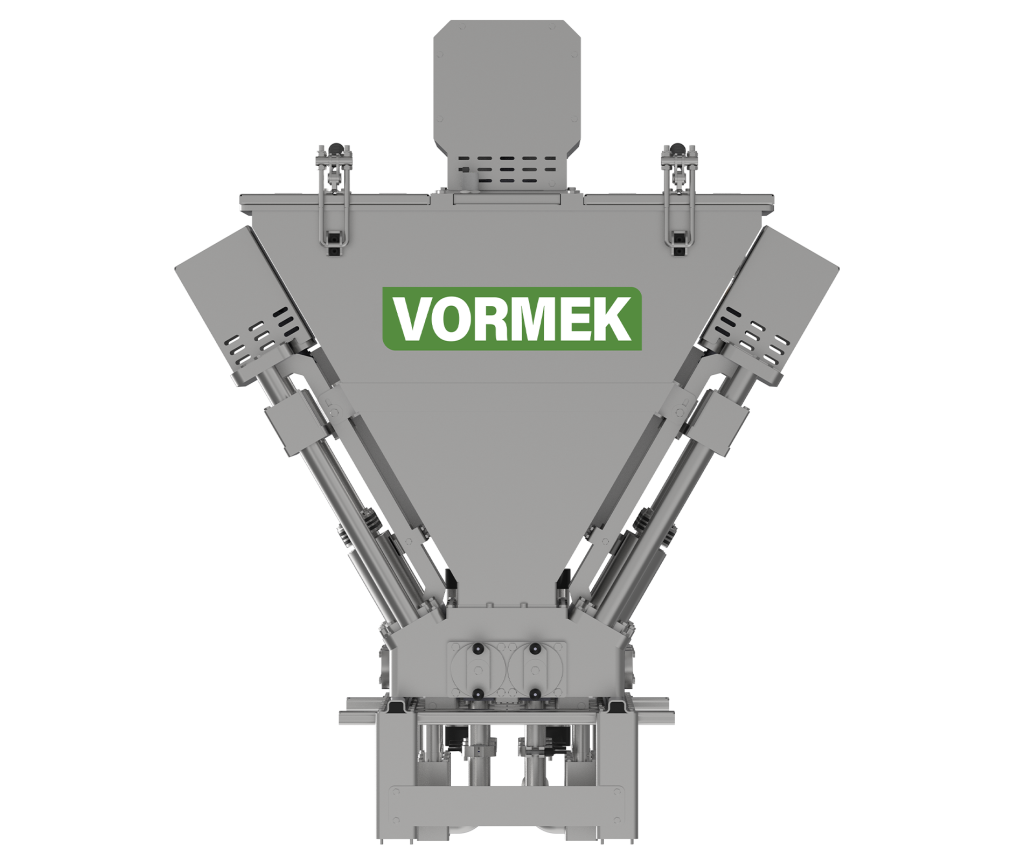
- Mesin pembagian daging cincang memisahkan daging giling dengan presisi dan konsistensi
- Porsi daging dipindahkan melalui konveyor
- Pada titik yang ditentukan, saat nampan tiba, daging dimasukkan ke dalam nampan secara bersamaan—tanpa ada kontak tangan
Pentingnya:Operasi yang sebelumnya dilakukan secara manual kini sepenuhnya dilakukan secara mekanis. Kontak tangan manusia dihilangkan, dan beban mikroba berkurang secara signifikan.
Tahap 3: Operasi Pelengkap
Setelah diisi, baki dipindahkan ke konveyor berikutnya. Jika diperlukan, pengoperasian pelengkap—seperti menambahkan saus atau bahan tambahan lainnya—dapat dilakukan secara manual atau melalui pengisi otomatis tambahan. Bagian ini menampilkan jalur transfer 2 meter yang dirancang untuk proses khusus.
Tahap 4: Konversi Format Baki
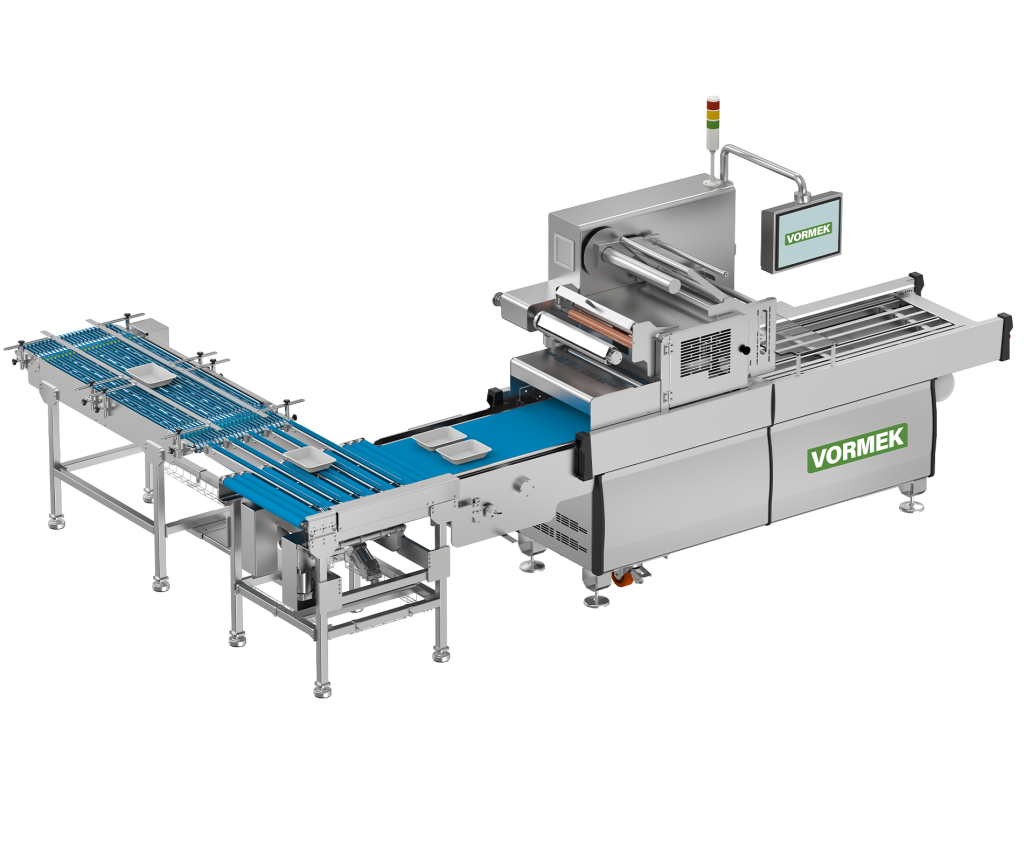
Baki masuk ke konverter satu jalur ke banyak jalur. Sistem ini secara tepat mengatur baki yang terisi sesuai dengan jumlah rongga cetakan penyegel baki:
| Jumlah Rongga Cetakan | Pengaturan Baki |
|---|---|
| 3 Rongga | Tiga jalur |
| 2 Rongga | Dua jalur |
Baki kemudian masuk ke mesin pengemas dengan kontrol penuh.
Tahap 5: Pengemasan Akhir
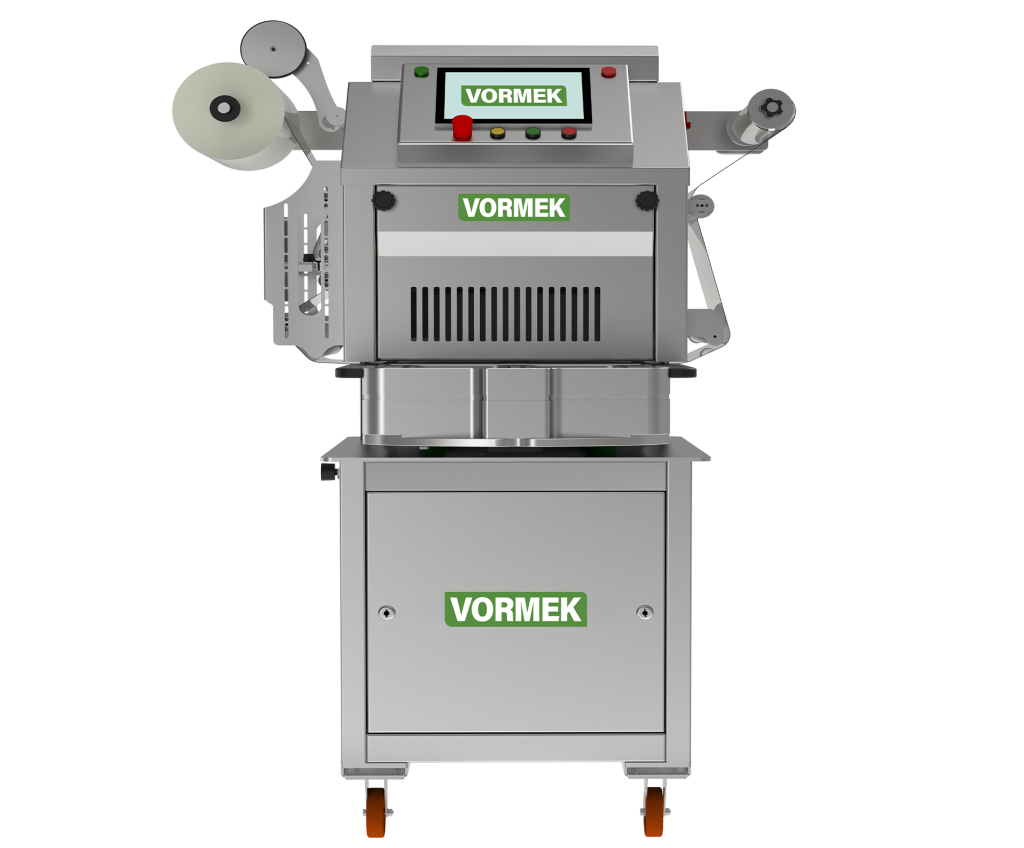
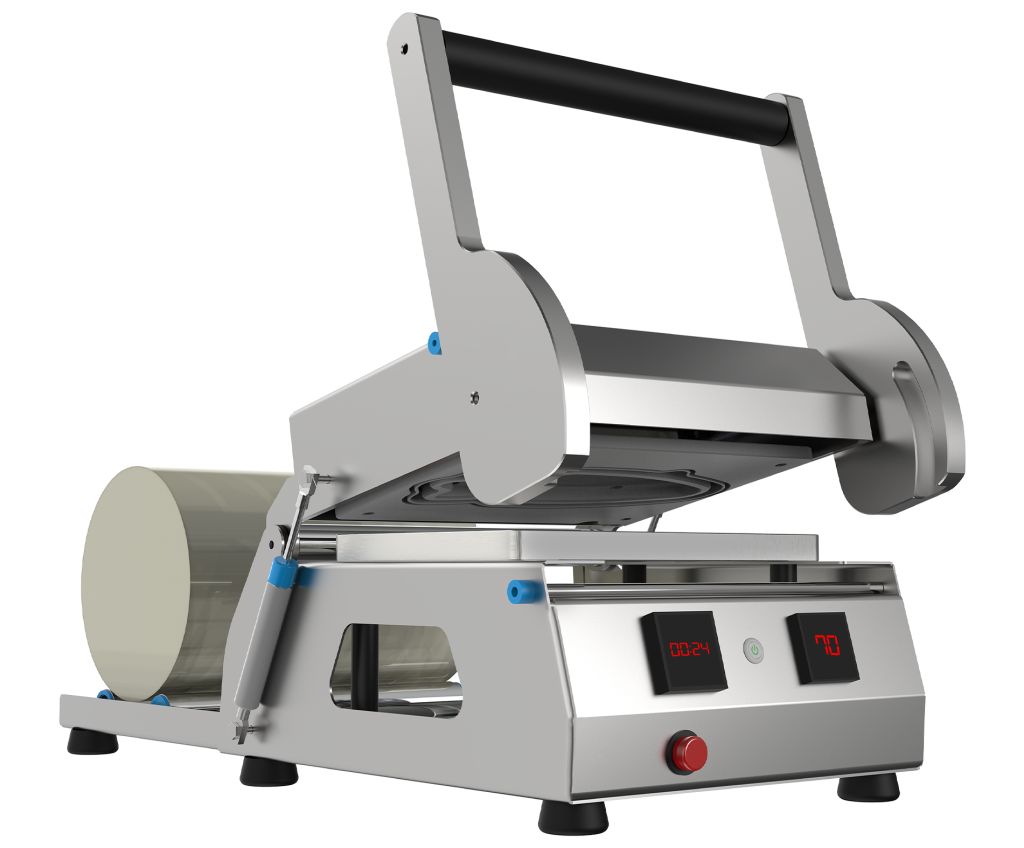
Inti dari jalur otomatis adalah penyegel baki otomatis Intelligent Packing. Baki yang terisi dikemas menggunakan salah satu dari beberapa metode:
| Metode Pengemasan | Keterangan |
|---|---|
| Potongan Dalam | Bersihkan pemotongan film tanpa bahan berlebih di sekitar wadah |
| Potongan Luar | Film dipotong di tepi wadah |
| Paket Kulit | Adhesi film penuh ke permukaan produk |
Produsen dapat memilih metode berdasarkan jenis produk, tampilan yang diinginkan, dan target pasar.
Tahap 6: Keluaran, Perubahan Arah, Pengodean & Pelabelan Tanggal
Setelah pengemasan, produk keluar dari mesin. Untuk mengoptimalkan ruang lantai, unit Pop-Up mengalihkan aliran produk sebesar 90 derajat. Pada titik ini, pembuat kode tanggal otomatis dan pelabel otomatis dapat dipasang untuk menerapkan informasi dan label produk.
Tahap Akhir : Persiapan Pendistribusian
Produk dikumpulkan di meja putar, sehingga operator memiliki cukup waktu untuk menempatkannya ke dalam karton atau peti. Pada tahap ini, produk sudah siap dipasarkan—intervensi manusia terbatas pada penanganan sekunder, bukan kontak langsung dengan makanan.
5. Keunggulan Utama Hygienix
| # | Keuntungan | Keterangan |
|---|---|---|
| 1 | Menghilangkan kontak tangan dengan produk | Pengurangan beban mikroba secara signifikan; umur simpan yang diperpanjang |
| 2 | Konsistensi kualitas | Menghilangkan kesalahan manusia dan variasi subjektif |
| 3 | Mengurangi waktu henti | Desain yang berkesinambungan dan terkoordinasi |
| 4 | Peningkatan throughput | Otomatisasi penuh; penghapusan kemacetan |
| 5 | Fleksibilitas metode pengemasan | Opsi Potongan Dalam, Potongan Luar, Paket Kulit |
| 6 | Kemampuan penyesuaian | Operasi tambahan (saus, aditif) tersedia |
| 7 | Efisiensi ruang | Desain paralel; tata letak yang dioptimalkan |
| 8 | Manajemen keluaran yang cerdas | Perubahan arah 90° melalui Pop-Up |
| 9 | Integrasi dengan peralatan tambahan | Pembuat kode tanggal, pemberi label, meja putar |
| 10 | Nilai merek yang ditingkatkan | Kemasan yang profesional dan higienis membangun kepercayaan konsumen |
6. Ikhtisar Spesifikasi Teknis
| Parameter | Spesifikasi |
|---|---|
| Nama Baris | Kebersihan – VRM-530 |
| Tipe Garis | Metode kerja yang sepenuhnya otomatis |
| Aplikasi Utama | Daging giling, burger, unggas, dan produk daging |
| Sistem Pemuatan Produk | Mekanis, tidak ada kontak tangan |
| Mesin Pengemasan Utama | Penyegel baki otomatis Pengepakan Cerdas |
| Tingkat Kebersihan | Tinggi (menghilangkan kontak tangan; mengurangi beban mikroba) |
| Metode Pengemasan | Potongan Dalam, Potongan Luar, Paket Kulit |
| Peralatan Tambahan | Denester, penggiling, mesin pembagian, konverter multi-jalur, pembuat kode tanggal, pelabel, unit Pop-Up, meja putar |
| Desain Ruang | Tata letak paralel untuk mengurangi tapak |
7. Kesimpulan
Pengembangan Vormek merupakan respon praktis terhadap kebutuhan industri pangan saat ini. Keuntungan paling signifikan dariKebersihanadalah meminimalkan kehadiran operator dalam proses pengemasan—secara langsung mengirimkan:
- Peningkatan kebersihan– Menghilangkan kontak tangan dengan produk
- Konsistensi kualitas– Menghilangkan kesalahan manusia
- Mengurangi waktu henti– Pengoperasian yang berkelanjutan dan andal
- Peningkatan kecepatan dan ketertiban– Throughput tinggi
Lini pengemasan otomatis ini bukan sekadar mesin—ini adalah solusi cerdas untuk meningkatkan keamanan pangan dan membangun kepercayaan konsumen. ItuKebersihanmenciptakan nilai tambah nyata bagi produsen produk daging dan protein.
Pengalaman Vormek yang andal dalam merancang dan memproduksi peralatan ini memastikan kinerja yang stabil dan sukses di fasilitas produksi.
Perspektif Investasi Cerdas
Persaingan saat ini dalam industri produksi dibangun berdasarkan produktivitas dan kecerdasan. Biaya tenaga kerja meningkat setiap tahunnya, sedangkan investasi pada mesin otomatis bukanlah pengeluaran yang dapat dikonsumsi—melainkan merupakan aset tetap dan produktif.
Mesin otomatis:
- Mengurangi ketergantungan operator
- Meningkatkan kecepatan dan keseragaman
- Memberikan kualitas produk akhir yang konsisten
Menghilangkan campur tangan manusia menghilangkan variasi subjektif dari proses produksi—secara langsung meningkatkan kebersihan, keselamatan, dan kendali mutu. Pengalaman dan data menunjukkan bahwa penggantian tenaga kerja manual dengan mesin secara bertahap akan menghasilkan pertumbuhan pendapatan yang berkelanjutan dan mengurangi risiko operasional.
Modal yang diinvestasikan dalam teknologi saat ini memberikan keuntungan dalam bentuk produksi yang stabil, kualitas yang konsisten, dan pertumbuhan bisnis jangka panjang. Pilihan cerdas adalah pilihan otomatisasi.