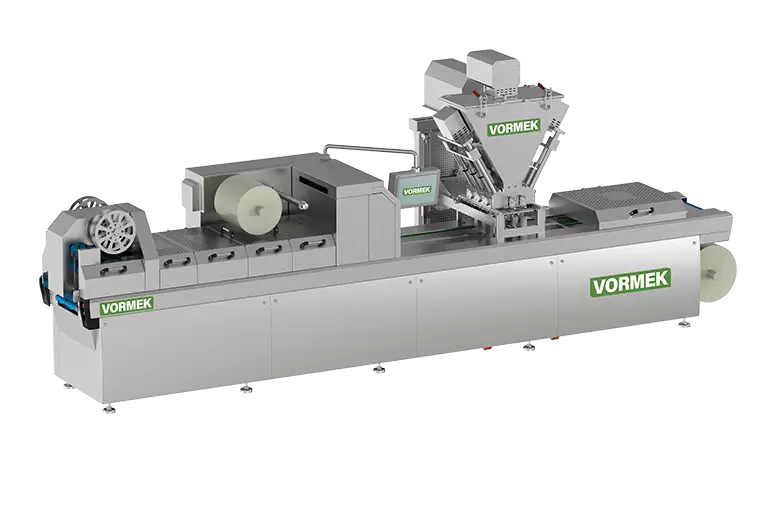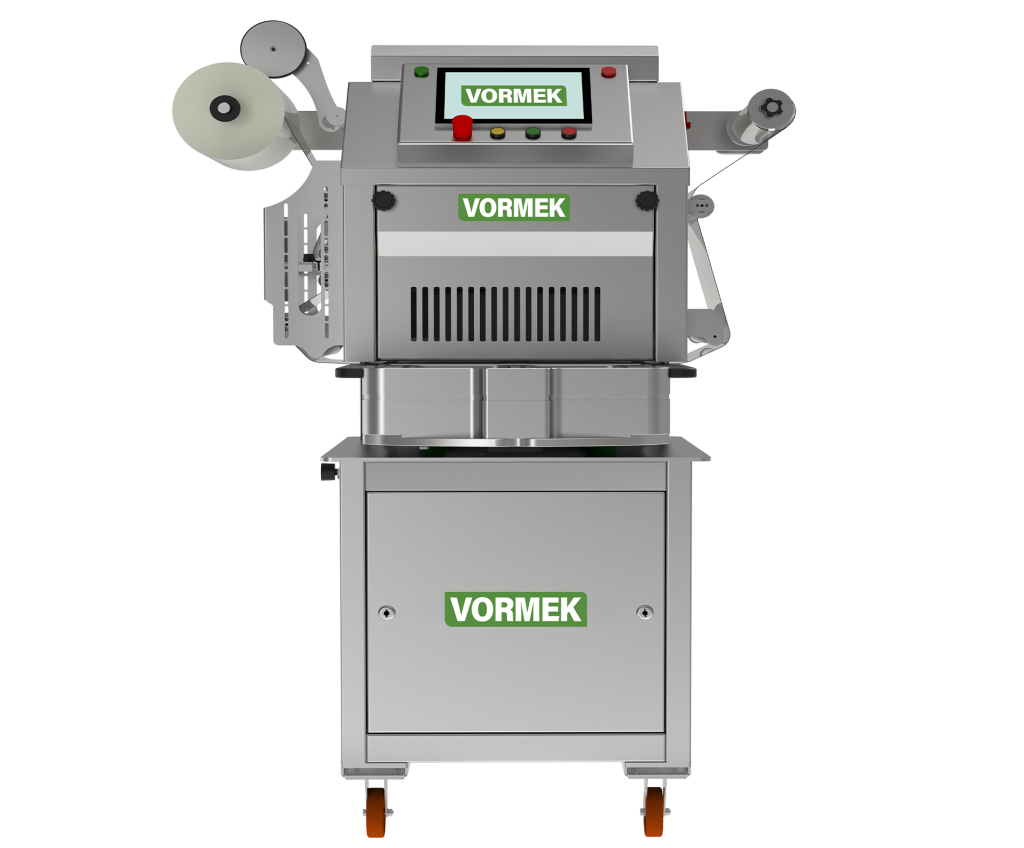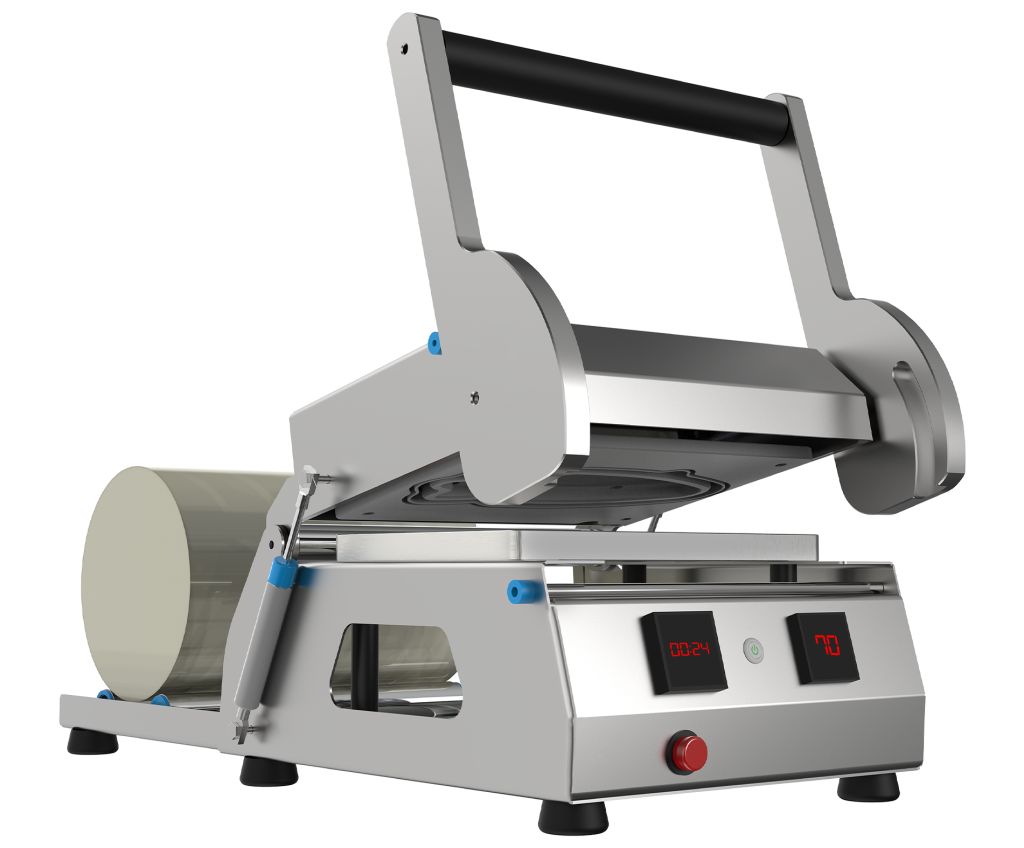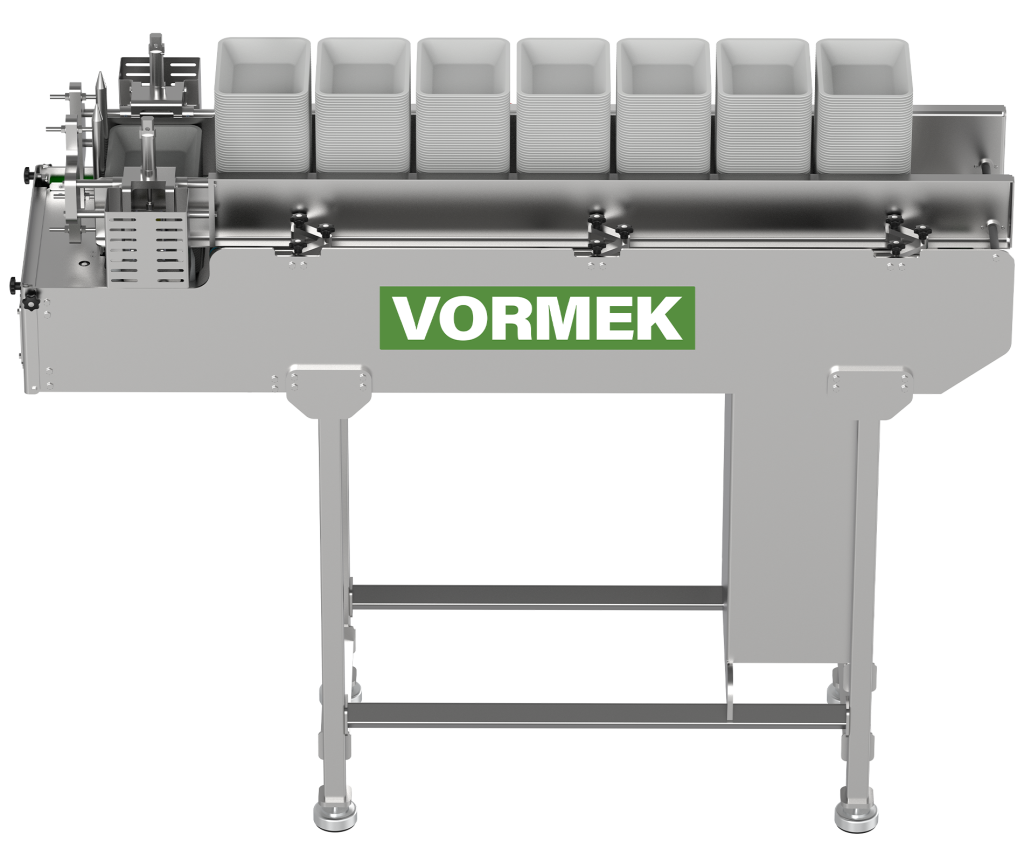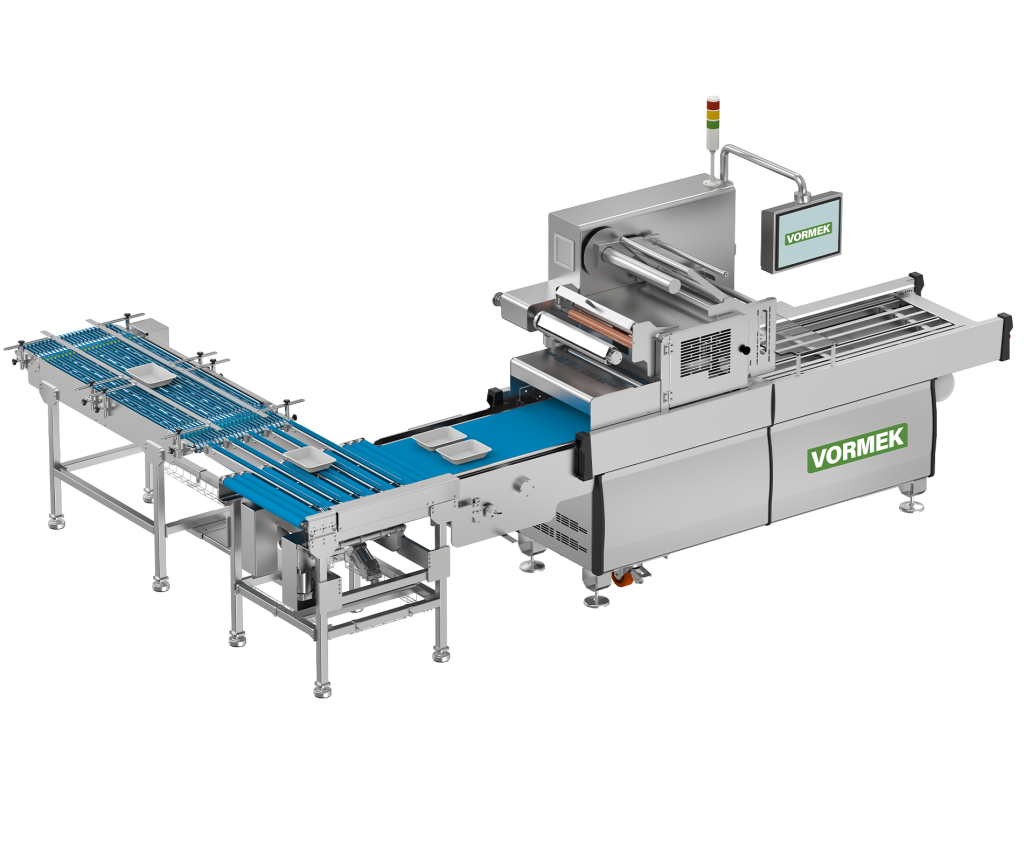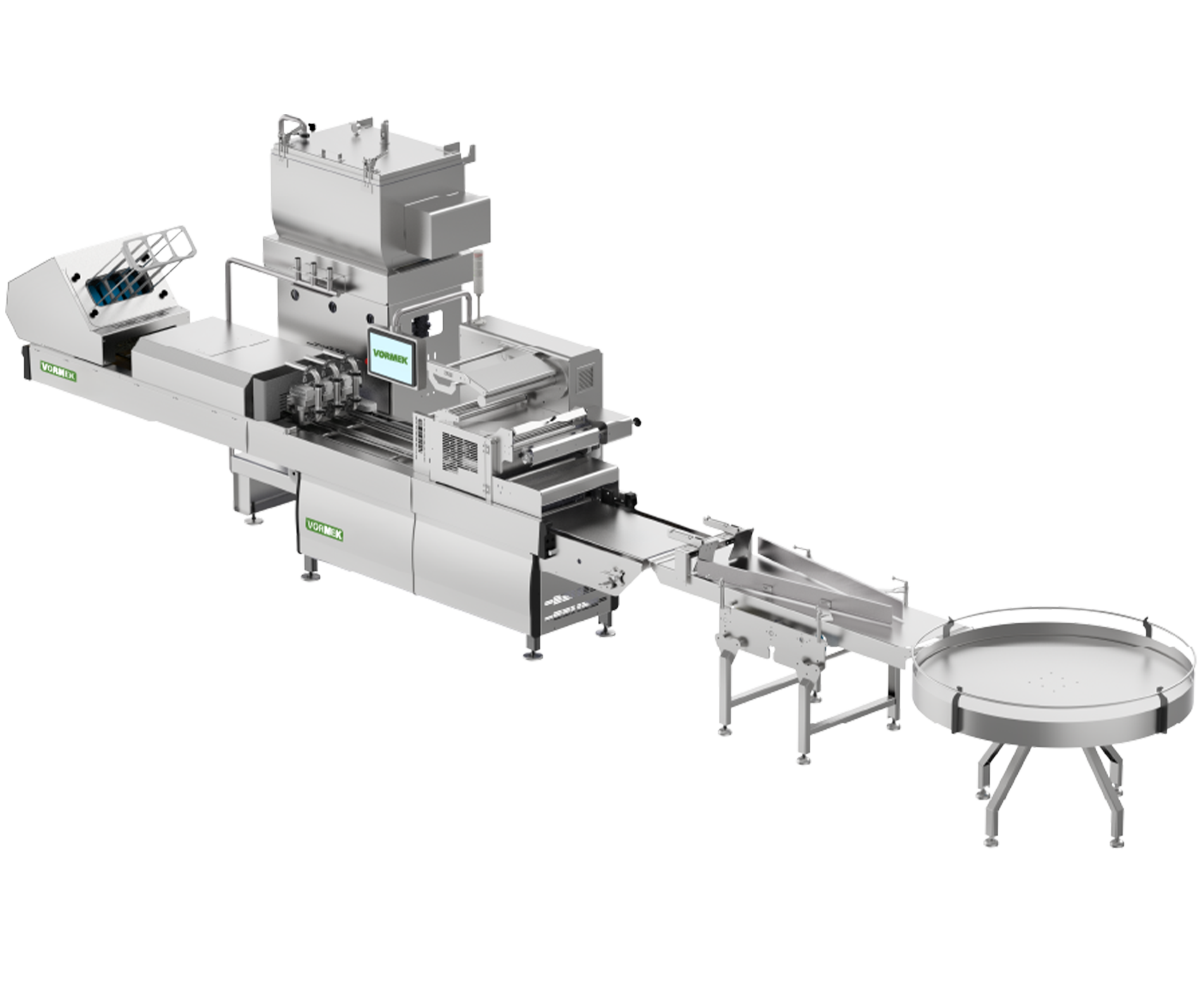
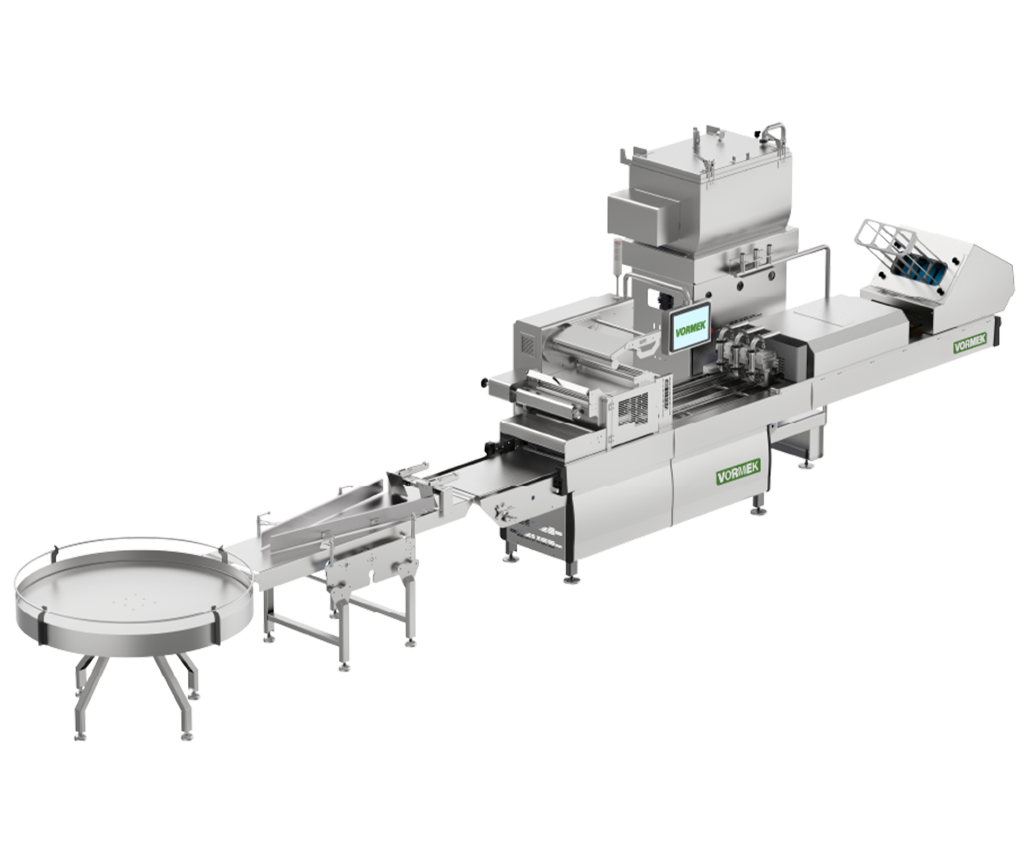
Pengantar Vormek ProMotion VRM-505
Produksi industri tidak bisa lagi mengandalkan cara-cara tradisional dan manual. Persaingan pasar, tekanan pada margin keuntungan, persyaratan kebersihan, dan ekspektasi konsumen terhadap produk yang seragam dan berkualitas tinggi telah membuat peralihan ke jalur produksi otomatis dan berkelanjutan tidak dapat dihindari.
Namun apa sebenarnya yang dimaksud dengan “otomatis” dan “kontinu”, dan mengapa kedua karakteristik ini menjadi pilar produktivitas industri?
Otomatisberarti suatu proses dimana campur tangan manusia diminimalkan atau dihilangkan sama sekali. Mesin beroperasi menggunakan sensor, motor servo, PLC, dan sistem kontrol—tanpa memerlukan kehadiran operator fisik.
Kontinuberarti suatu proses di mana tidak ada penghentian atau hambatan antara tahapan produksi yang berbeda. Bahan mentah masuk di satu ujung, dan produk jadi keluar di ujung lainnya—tanpa gangguan dan dengan aliran yang stabil.
Ketika kedua karakteristik ini digabungkan, maka terbentuklah jalur produksi otomatis dan berkelanjutan—yang mana:
- Mesin beroperasi dengan intervensi operator minimal
- Aliran material dan produk antar peralatan tersinkronisasi dan tidak terputus
- Operator dibebaskan dari tugas yang berulang dan melelahkan serta mengambil peran pemantauan dan pengendalian
Komponen Inti dari ProMotion VRM-505
| # | Bagian | Fungsi |
|---|---|---|
| 1 | Denester Otomatis | Memisahkan dan memindahkan baki ke saluran |
| 2 | Terowongan UV | Mengurangi beban mikroba |
| 3 | Mesin Pengisian | Mengisi produk ke dalam baki dengan tepat |
| 4 | Penyegel Baki Packen yang Cerdas | Pengemasan akhir – penyegelan sederhana atau MAP |
| 5 | Pembagi Garis Otomatis | Mengubah beberapa jalur menjadi satu jalur |
| 6 | Pembuat Kode dan Pelabel Tanggal | Mencetak tanggal, harga, batch, dan label yang berlaku |
| 7 | Meja Putar | Mengumpulkan produk untuk kemasan sekunder |
Delapan Tahap Operasi
Tahap 1: Denester Otomatis
Pada awal jalur, denester otomatis memisahkan dan memindahkan baki ke jalur pengemasan. Jumlah keluaran denester sesuai dengan jumlah rongga cetakan penyegel baki:
| Jumlah Rongga Cetakan | Keluaran Denester |
|---|---|
| 2 Rongga | 2 jalur |
| 3 Rongga | 3 jalur |
Baki ditempatkan secara otomatis dan dengan presisi tinggi pada konveyor transfer, memasuki jalur.
Tahap 2: Terowongan UV – Pengurangan Beban Mikroba
Setelah penempatan baki otomatis, wadah melewati terowongan UV. Sinar ultraviolet diarahkan ke bagian dalam wadah selama beberapa detik untuk:
- Mengurangi beban mikroba
- Mengontrol flora mikroba
- Meningkatkan kebersihan kemasan
- Meningkatkan keamanan produk akhir
Tahap ini sangat penting dalam industri makanan, susu, protein, dan produk sensitif.
Tahap 3: Sistem Pengisian Otomatis
Setelah keluar dari terowongan UV, wadah dipindahkan ke bawah nozel sistem pengisian untuk injeksi produk.
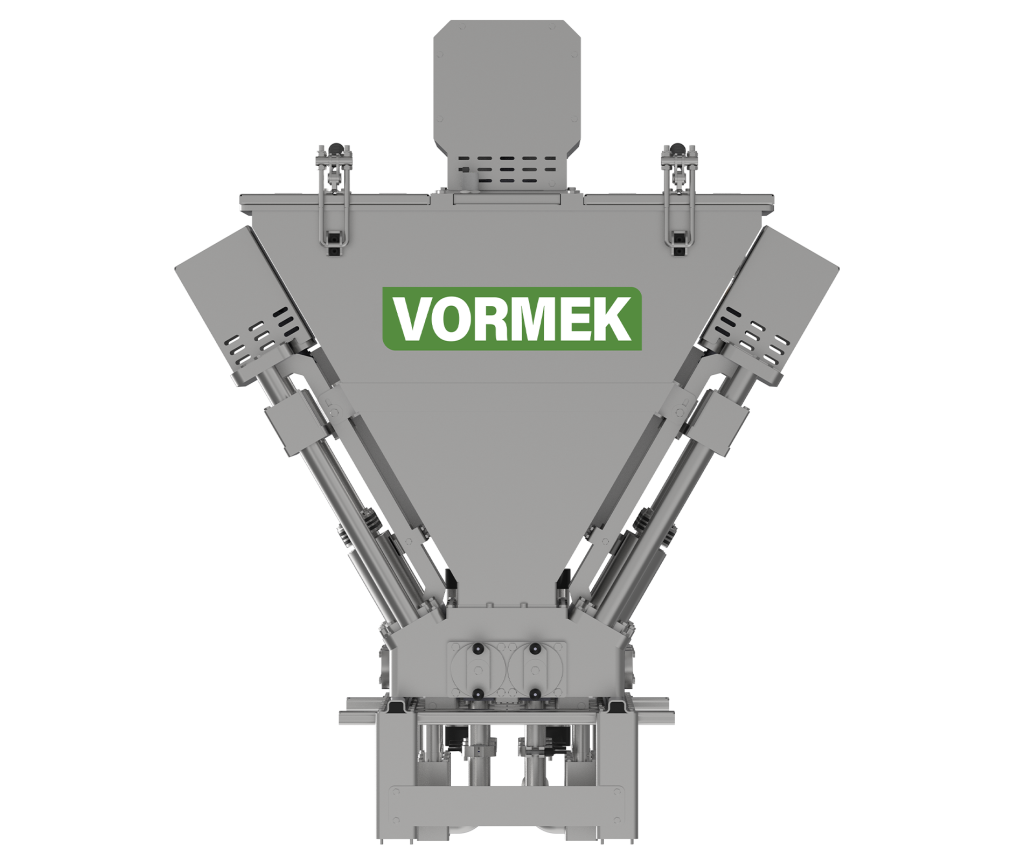
Jenis Pengisi yang Tersedia untuk ProMotion VRM-505:
| Jenis Pengisi | Aplikasi |
|---|---|
| Pengisi Piston | Bahan tebal, pucat, lengket |
| Pengisi Cairan | Cairan encer |
| Pengisi Volumetrik | Produk khusus tidak cocok untuk bahan pengisi lainnya |
| Timbangan Multihead | Produk granular |
| Pengisi Bubuk | Produk bubuk |
Fleksibilitas ini menjadikanPromosi VRM-505cocok untuk berbagai macam produk yang memerlukan kemasan kontainer.
Tahap 4: Penyegel Baki – Pengemasan Cerdas
Setelah diisi, produk memasuki bagian inti—penyegel baki otomatis Intelligent Packen. Pengemasan akhir dilakukan di sini.
Metode Pengemasan Tersedia:
| Metode Pengemasan | Keterangan |
|---|---|
| Penyegelan Sederhana | Kemasan standar tanpa proses tambahan |
| MAP (Kemasan Suasana yang Dimodifikasi) | Vakum + injeksi gas pelindung (CO₂, N₂) untuk memperpanjang umur simpan |
MAP secara signifikan meningkatkan umur simpan sekaligus menjaga kualitas produk.
Tahap 5: Opsi Potongan Dalam untuk Penampilan yang Lebih Baik
ItuPromosi VRM-505dapat dilengkapi dengan opsi Inside Cut untuk meningkatkan estetika kemasan:
- Film tidak melampaui wadah setelah disegel
- Tepi potongan diposisikan di dalam tepi wadah
- Tampilan kemasan menjadi lebih profesional dan halus
Hasil:Peningkatan daya tarik visual, peningkatan branding, dan tampilan kemasan modern.
Tahap 6: Penyelaras Jalur Otomatis
Setelah keluar dari mesin pengemas, peti kemas masuk ke dalam penyelaras jalur otomatis (Line Divider/Single-Line Sorter). Sistem ini:
- Mengonversi keluaran multi jalur menjadi jalur tunggal
- Mengatur produk
- Mempersiapkan pelabelan dan pengkodean tanggal
Contoh:Keluaran 3 jalur → keluaran file tunggal. Hal ini meningkatkan ketertiban lini dan mengurangi kebutuhan tenaga kerja.
Tahap 6a: Sistem Pop‑Up (Alternatif Perata Garis Lurus)
Di pabrik dengan keterbatasan ruang dimana tata letak garis lurus tidak memungkinkan, sistem Pop-Up dapat menggantikan penyelaras jalur langsung.
Keuntungan Sistem Pop-Up:
- Perubahan arah 90°
- Konfigurasi garis berbentuk L
- Pemanfaatan ruang pabrik yang dioptimalkan
- Peningkatan fleksibilitas tata letak
Tahap 7: Sistem Pengkodean dan Pelabelan Tanggal
Pada outfeed jalur, peralatan berikut dapat dipasang:
| Peralatan | Aplikasi |
|---|---|
| Kode Tanggal / Printer Inkjet | Mencetak tanggal produksi, tanggal kadaluwarsa, harga, nomor batch |
| Mesin Pelabelan Otomatis | Menerapkan label pada paket |
Informasi produk dicatat pada paket pada tahap ini.
Tahap 8: Tabel Akumulasi Putar
Di akhir jalur, produk dikumpulkan di meja putar. Bagian ini menyediakan:
- Waktu yang cukup bagi operator
- Koleksi produk terorganisir
- Penempatan mudah ke dalam karton, peti, atau kemasan akhir
Hal ini meningkatkan efisiensi operator dan mencegah penghentian jalur.
Keunggulan Utama ProMotion VRM-505
| # | Keuntungan | Keterangan |
|---|---|---|
| 1 | Pengoperasian yang sepenuhnya berkelanjutan dan otomatis | Tidak ada penghentian antar tahapan |
| 2 | Mengurangi kebutuhan operator | Satu operator untuk seluruh lini |
| 3 | Peningkatan kecepatan produksi | Output lebih tinggi dalam waktu lebih singkat |
| 4 | Peningkatan kebersihan | Terowongan UV + penghapusan kontak tangan |
| 5 | kemampuan PETA | Umur simpan produk diperpanjang |
| 6 | Kemampuan penyesuaian penuh | Cocok dengan jenis produk dan wadah |
| 7 | Berbagai pilihan pengisi | Fleksibilitas untuk produk yang berbeda |
| 8 | Cocok untuk kemasan produk sehari-hari | Sesuai dengan standar internasional |
| 9 | Desain profesional dan modern | Badan baja tahan karat; penampilan industri |
| 10 | Estetika kemasan yang ditingkatkan | Pilihan disesuaikan dengan tampilan yang diinginkan |
Aplikasi
ItuPromosi VRM-505cocok untuk produk yang dapat diisi dengan bahan pengisi industri dan memerlukan kemasan kontainer. Dengan kemampuan MAP, produk ini juga memberikan perpanjangan umur simpan yang sehat dan berfokus pada keselamatan.
Dirancang untuk produsen yang membutuhkan pengemasan yang berkesinambungan, higienis, cepat, dan tanpa gangguan—di mana semua tahapan mulai dari pemberian baki hingga pengemasan akhir sepenuhnya terintegrasi dan otomatis.
Ini adalah sebuahSolusi Totaldi mana:
- Baki ditempatkan secara otomatis
- Beban mikroba berkurang
- Produk diisi dengan presisi
- Kemasan berkualitas tinggi diterapkan
- Baki disejajarkan, diberi tanggal, dan diberi label
- Produk jadi dikumpulkan di akhir lini
Semua tanpa kontak tangan operator—terus menerus sepenuhnya.
Ringkasan Manfaat Utama
- Otomatisasi penuh dari meja denester hingga meja putar
- Mengurangi ketergantungan tenaga kerja secara signifikan
- Peningkatan kebersihan dengan terowongan UV dan penghapusan kontak tangan
- Kemampuan MAP untuk umur simpan yang lebih lama
- Pilihan untuk meningkatkan estetika produk
- Fleksibilitas pengisi (piston, volumetrik, multihead, dll.)
- Desain fleksibel (lurus atau berbentuk L dengan Pop-Up)
- ROI cepat melalui pengurangan biaya operator
Logika Otomatisasi dan Kontinuitas
1. Peningkatan Produktivitas
Jalur manual atau semi-otomatis dibatasi oleh kapasitas fisik dan fokus operator. Manusia lelah, butuh istirahat, bisa jatuh sakit atau absen. Saluran otomatis dan kontinu beroperasi 24/7 tanpa kelelahan atau gangguan.
Hasil:Lebih banyak produksi dalam waktu lebih singkat.
2. Konsistensi Kualitas
Operator mungkin bersemangat pada awal shift dan lelah pada akhir shift; fokus pada satu hari, terganggu pada hari berikutnya. Fluktuasi ini secara langsung mempengaruhi kualitas produk akhir. Mesin otomatis mengulangi operasi yang sama dengan parameter yang sama—ribuan kali.
Hasil:Semua produk keluaran identik dan memenuhi standar.
3. Pengurangan Kesalahan
Kesalahan manusia adalah bagian dari sifat manusia: kelupaan, kesalahan pengaturan, penanganan yang salah, salah cetak, pelabelan yang bengkok, dll. Dalam jalur otomatis, kesalahan ini dihilangkan atau dikurangi secara drastis.
Hasil:Lebih sedikit limbah, lebih sedikit pengembalian, kepuasan pelanggan lebih tinggi.
4. Pengurangan Beban Kebersihan & Mikroba
Setiap kontak tangan dengan produk membawa risiko kontaminasi. Dalam jalur manual, kontak ini tidak dapat dihindari. Dalam jalur yang otomatis dan berkesinambungan, produk dipindahkan, diisi, dan dikemas tanpa kontak tangan.
Hasil:Produk lebih aman, umur simpan lebih lama, kepatuhan lebih mudah terhadap standar kebersihan dan ekspor.
5. Pengurangan Biaya Tenaga Kerja
Apa yang dilakukan oleh satu mesin otomatis mungkin memerlukan 4–5 operator dalam sistem manual. Otomatisasi secara signifikan mengurangi upah, asuransi, bonus, cuti, dan biaya ketidakhadiran.
Hasil:Pengeluaran berkelanjutan menjadi investasi aset tetap.
6. Penghapusan Kontinuitas & Kemacetan
Dalam jalur manual, produk sering kali terakumulasi di antara tahap-tahap—memperlambat produksi dan meningkatkan risiko kontaminasi dan kerusakan. Dalam garis kontinu, aliran material dirancang tanpa hambatan.
Hasil:Produksi yang lancar dan tidak terputus dengan efisiensi maksimum.
7. Optimasi Ruang
Jalur manual biasanya memerlukan lebih banyak ruang untuk pergerakan operator, penyimpanan sementara, dll. Jalur otomatis dan kontinu memiliki desain ringkas dan tata letak terencana—yang menempati lebih sedikit ruang.
Hasil:Penggunaan ruang yang ada dengan lebih baik; potensi peningkatan kapasitas dalam fasilitas yang sama.
8. Mengurangi Ketergantungan pada Tenaga Kerja
Pasar tenaga kerja tidak selalu stabil. Pergantian staf, ketidakhadiran mendadak, kebutuhan pelatihan yang berkelanjutan—merupakan tantangan yang terus-menerus. Jalur otomatis dan berkesinambungan meminimalkan ketergantungan ini.
Hasil:Manajemen ketenangan pikiran; produksi yang stabil dalam segala kondisi.
9. Peningkatan Daya Saing
Produsen yang memberikan kualitas yang konsisten, lebih cepat, dan dengan biaya lebih rendah merupakan pesaing yang lebih kuat. Otomatisasi dan kontinuitas memberikan keuntungan ini.
Hasil:Pangsa pasar yang lebih besar, margin yang lebih baik, peningkatan daya saing.
10. Akuisisi Data & Peningkatan Berkelanjutan
Jalur otomatis yang dilengkapi dengan PLC dan sistem kontrol mencatat semua data produksi: jumlah keluaran, waktu henti, kesalahan, suhu, dll. Data ini sangat berharga untuk analisis kinerja, identifikasi kelemahan, dan perbaikan berkelanjutan—hampir tidak mungkin dikumpulkan dalam jalur manual.
Hasil:Pengoptimalan berdasarkan data, bukan dugaan.