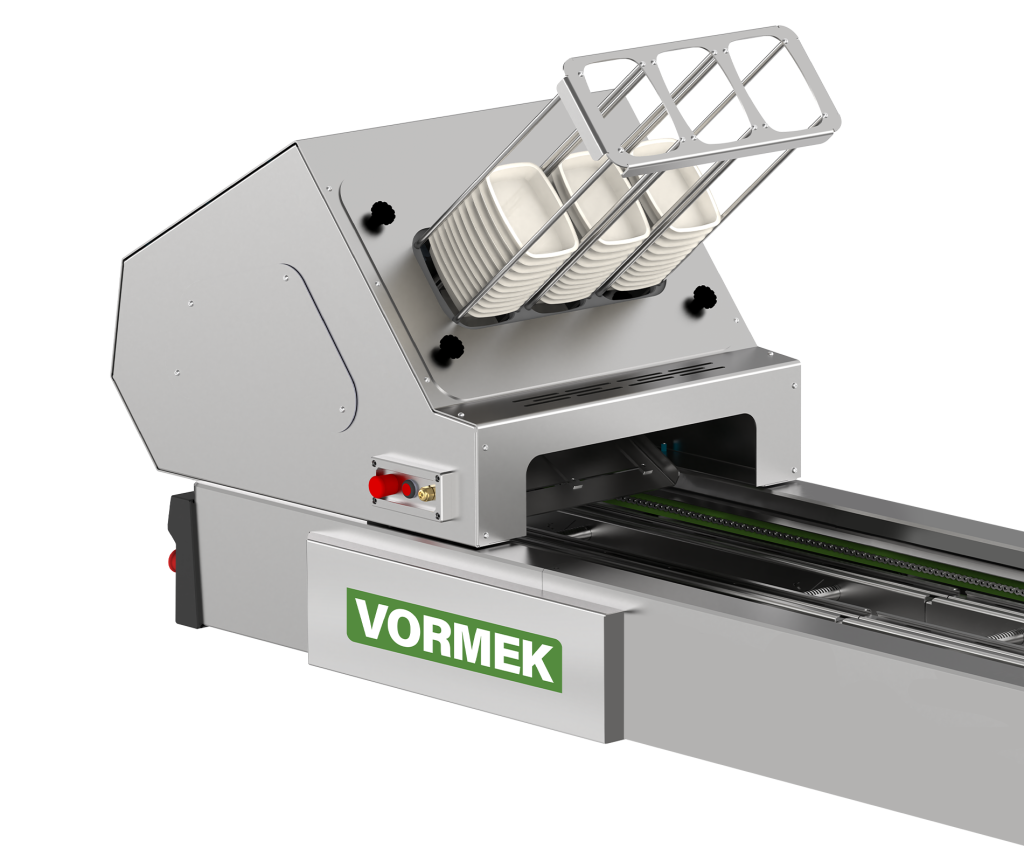
Pengantar Vormek TrayFlow VES-500
Dalam proses pengemasan industri, setiap detik sangat berarti, dan setiap titik kontak manusia dengan produk mewakili potensi risiko. Penyegel baki otomatis dirancang untuk memberikan kecepatan, presisi, dan kebersihan secara bersamaan—tetapi sebelum produk dapat ditempatkan ke dalam wadah, wadah itu sendiri harus ditempatkan pada mesin dengan presisi yang sama dan tanpa campur tangan manusia.
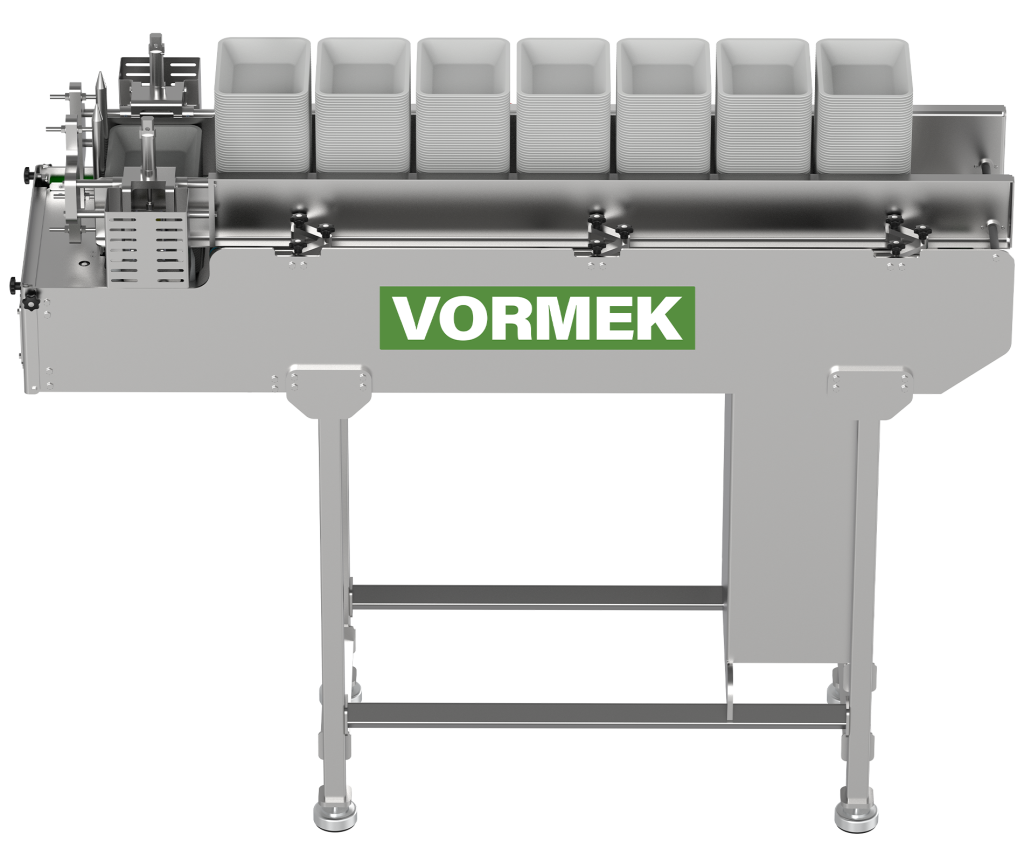
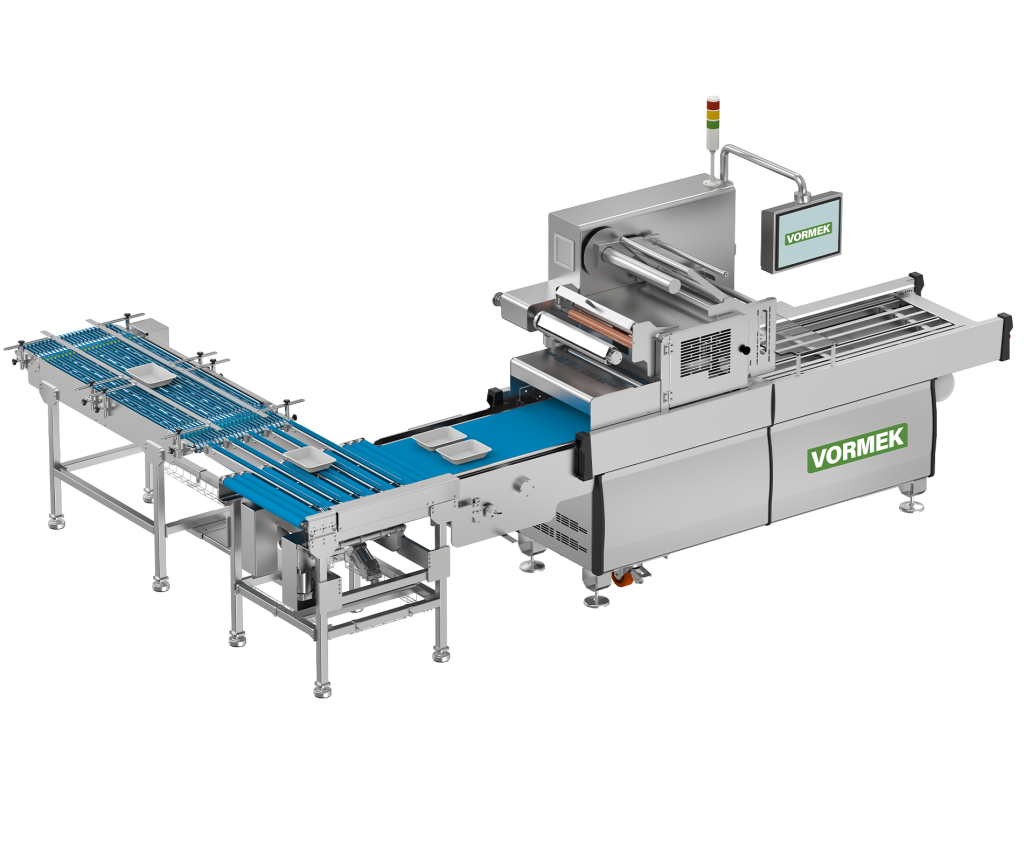
ItuAliran Baki VES-500adalah respons yang dirancang dengan cermat terhadap kebutuhan lini produksi sehari-hari—solusi yang tidak berakar pada kompleksitas, namun pada kesederhanaan desain suara. Mesin pemakan pneumatik ini memisahkan wadah-wadah yang disarang, menempatkannya dengan presisi ke dalam pengumpan penyegel baki, dan melakukannya dengan kecepatan yang disinkronkan secara sempurna dengan jalur produksi—tanpa penghentian, tanpa kontaminasi, tanpa kesalahan.
Memperkenalkan Teknologi
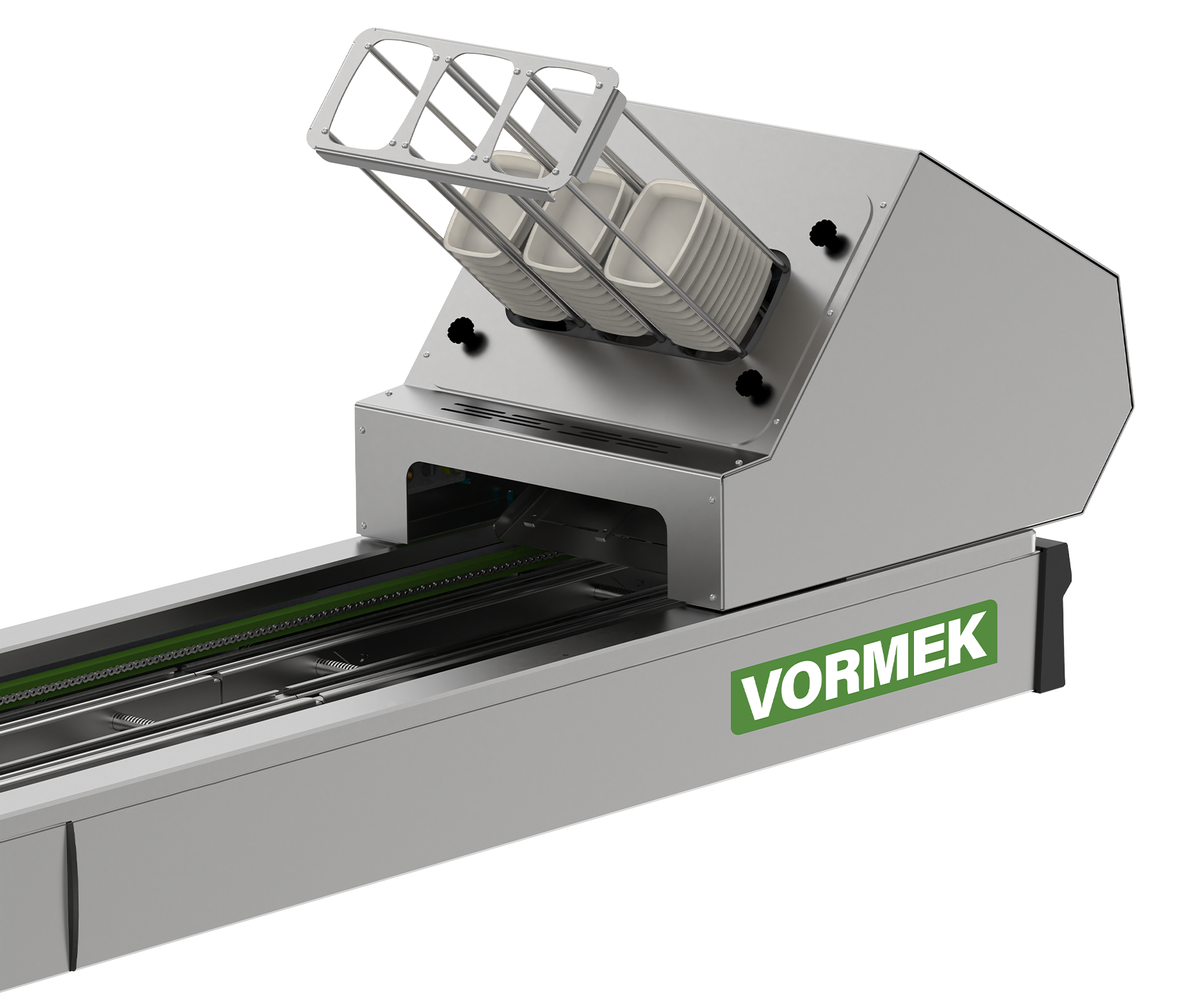
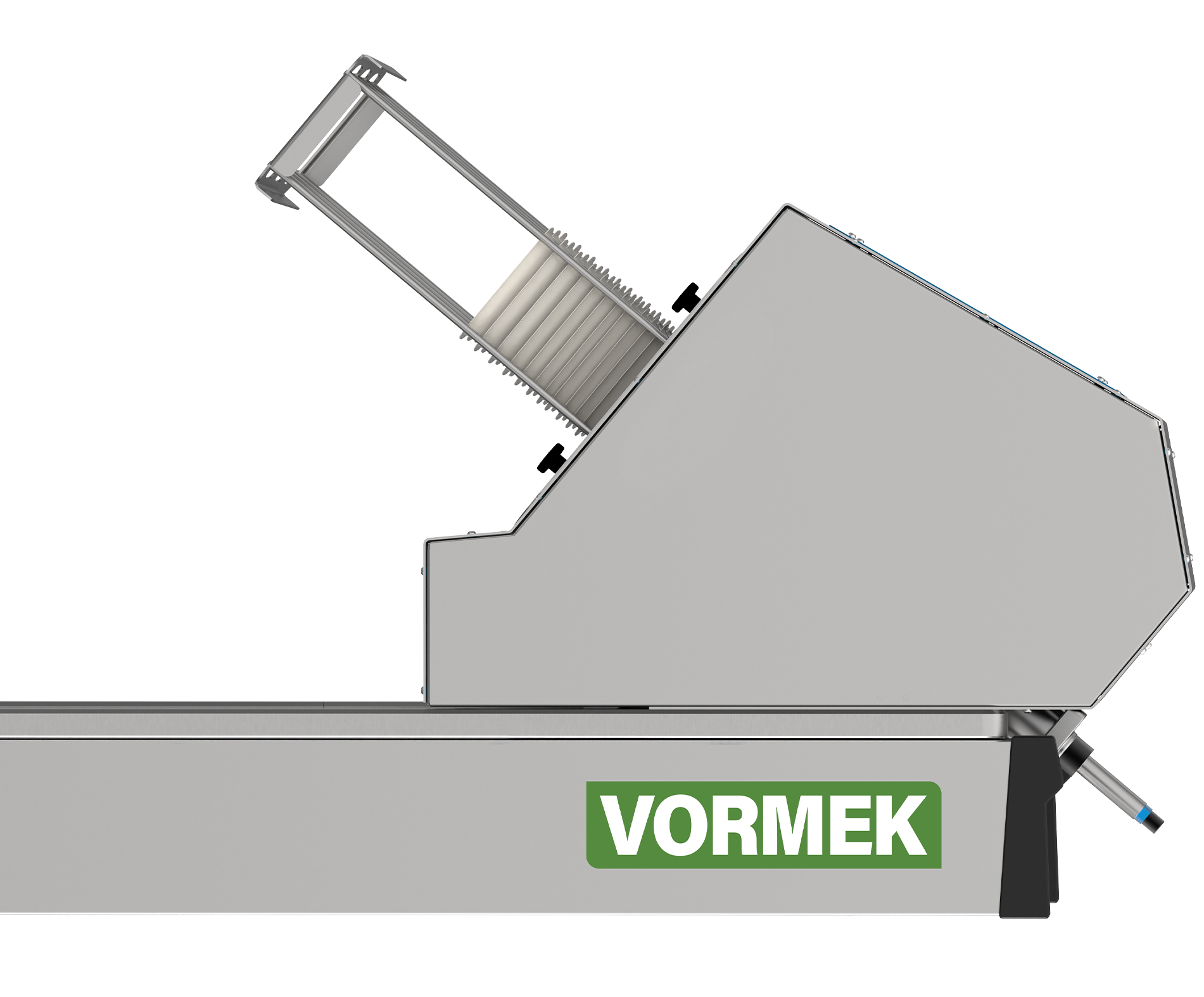
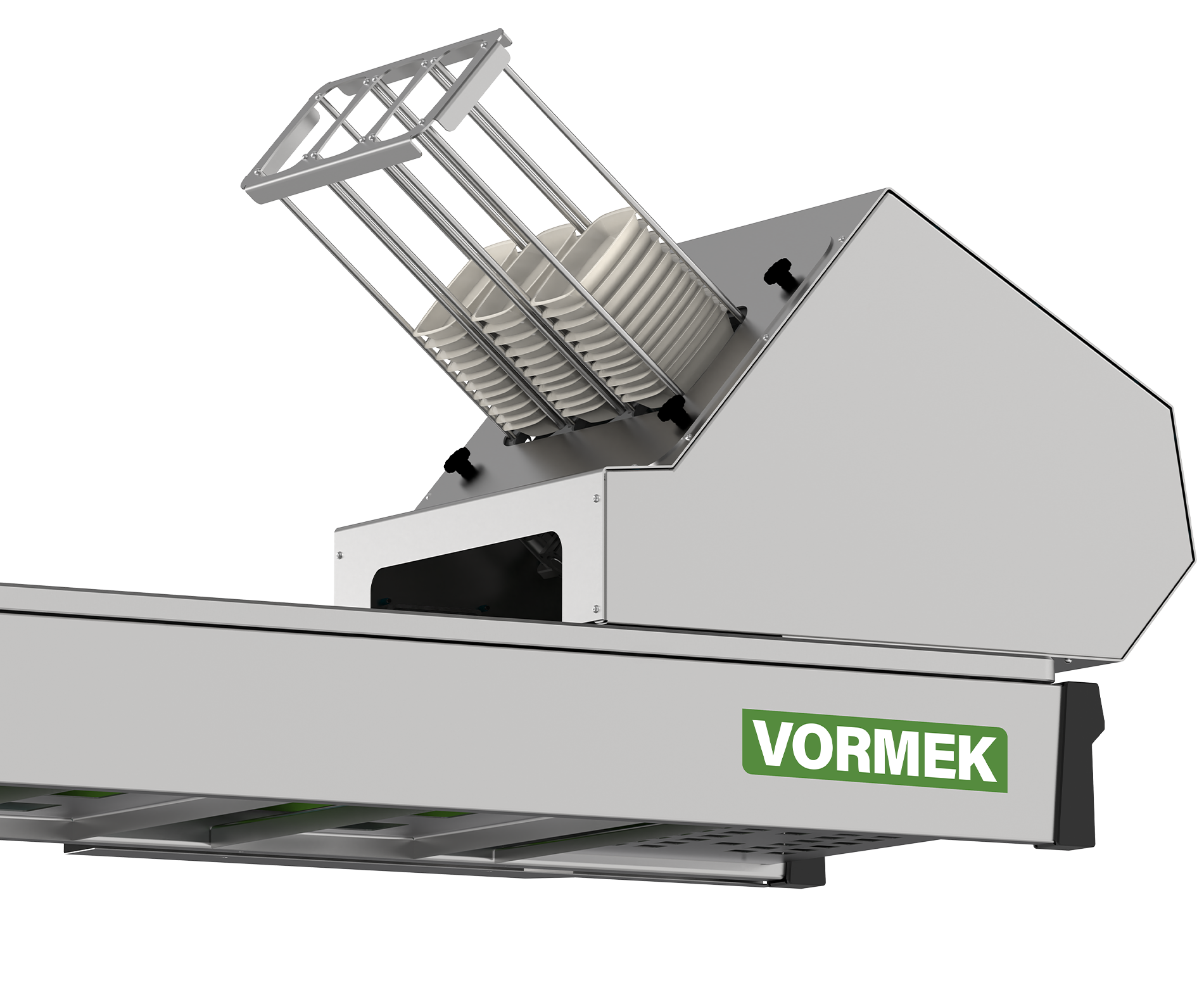
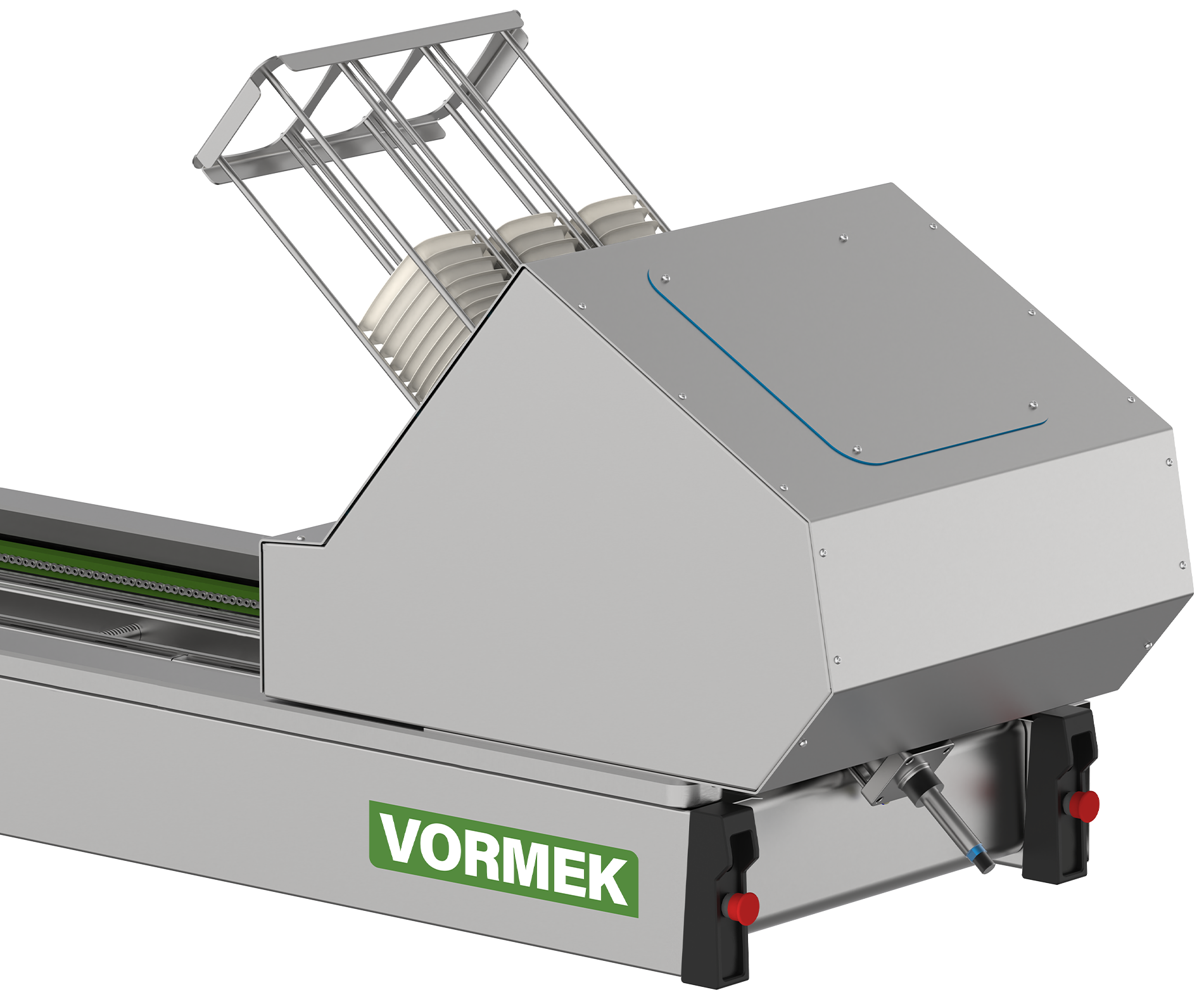
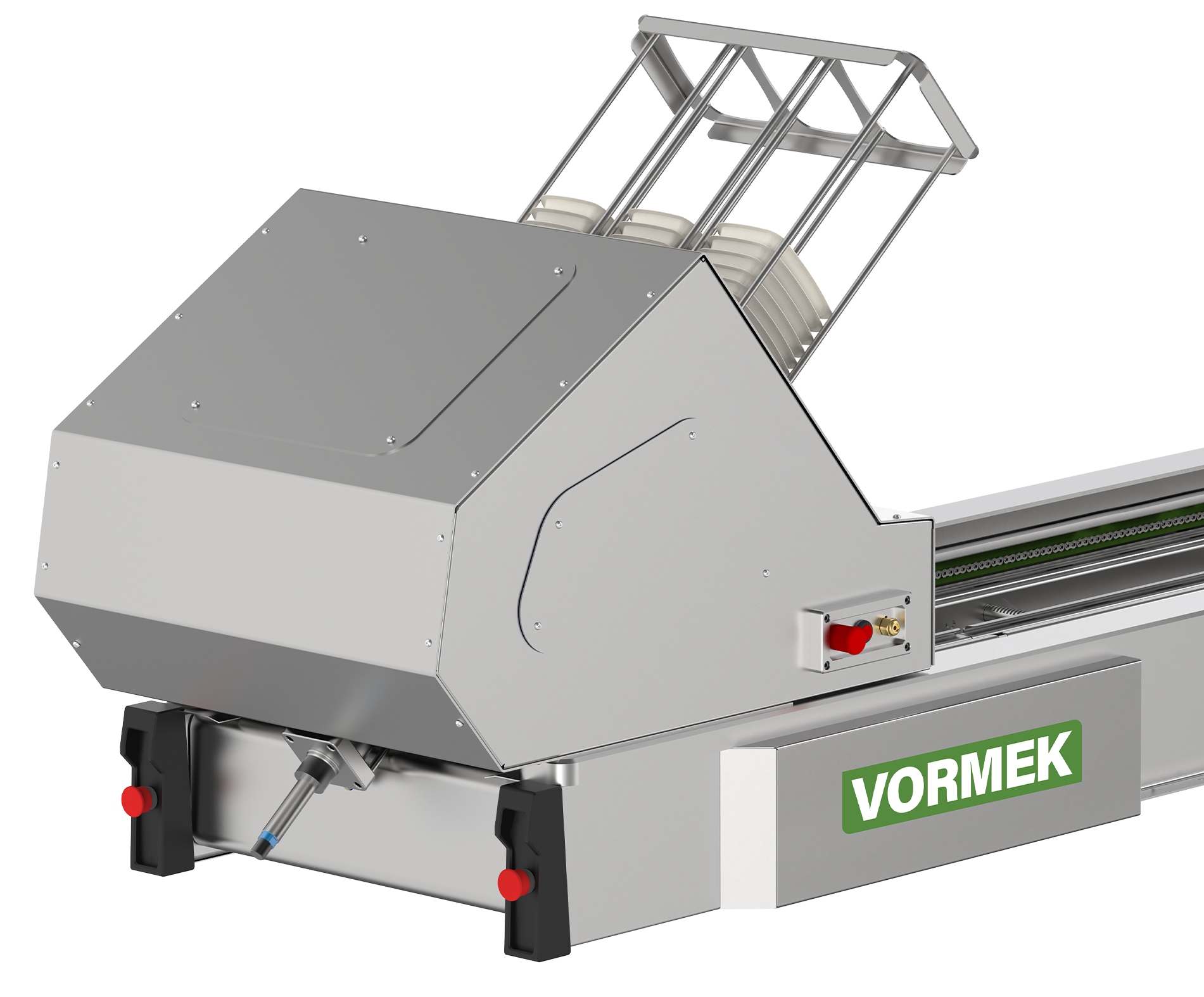
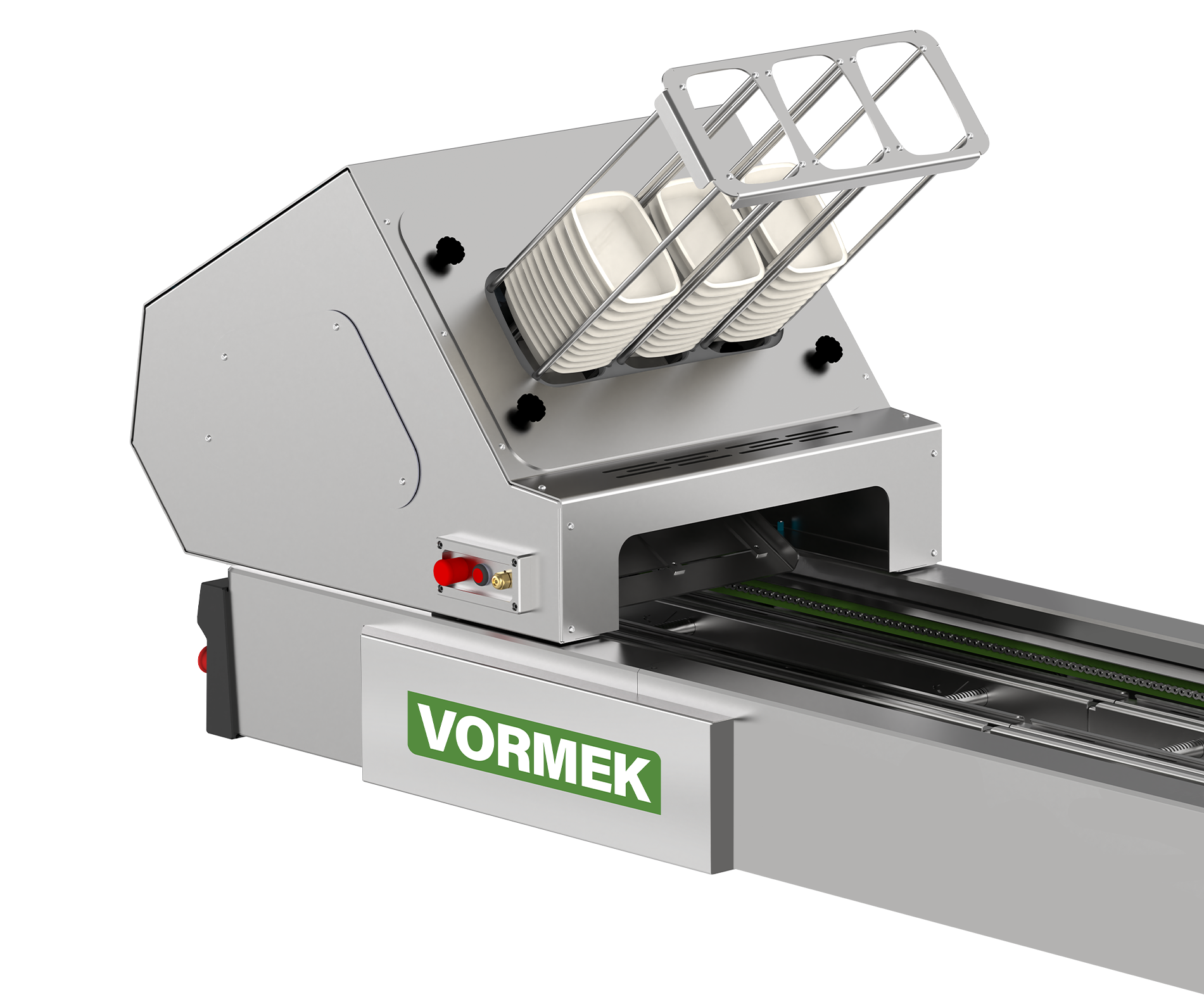
ItuAliran Baki VES-500dipasang pada pengumpanan penyegel baki otomatis dan bertanggung jawab untuk memisahkan wadah yang tersarang dan memindahkannya ke permukaan pengumpanan penyegel baki. Mesin ini terdiri dari dua sistem utama:
1. Sistem Silinder Pneumatik Dua Baris
Untuk setiap wadah dalam setiap siklus, terdapat empat silinder pneumatik—dua di setiap sisi wadah, disusun berpasangan (atas dan bawah):
- Silinder atasdilengkapi dengan jari mekanis yang mencengkeram tepi wadah kedua dari bawah, mencegah seluruh tumpukan jatuh.
- Silinder bawahjuga memiliki jari-jari yang menahan wadah bawah pada tempatnya sehingga mangkuk penghisap dapat menggenggamnya dengan baik.
Jumlah rongga mesin sesuai dengan jumlah rongga cetakan penyegel baki. Misalnya:
- Sealer baki 2 rongga → 8 silinder pneumatik
- Sealer baki 3 rongga → 12 silinder pneumatik
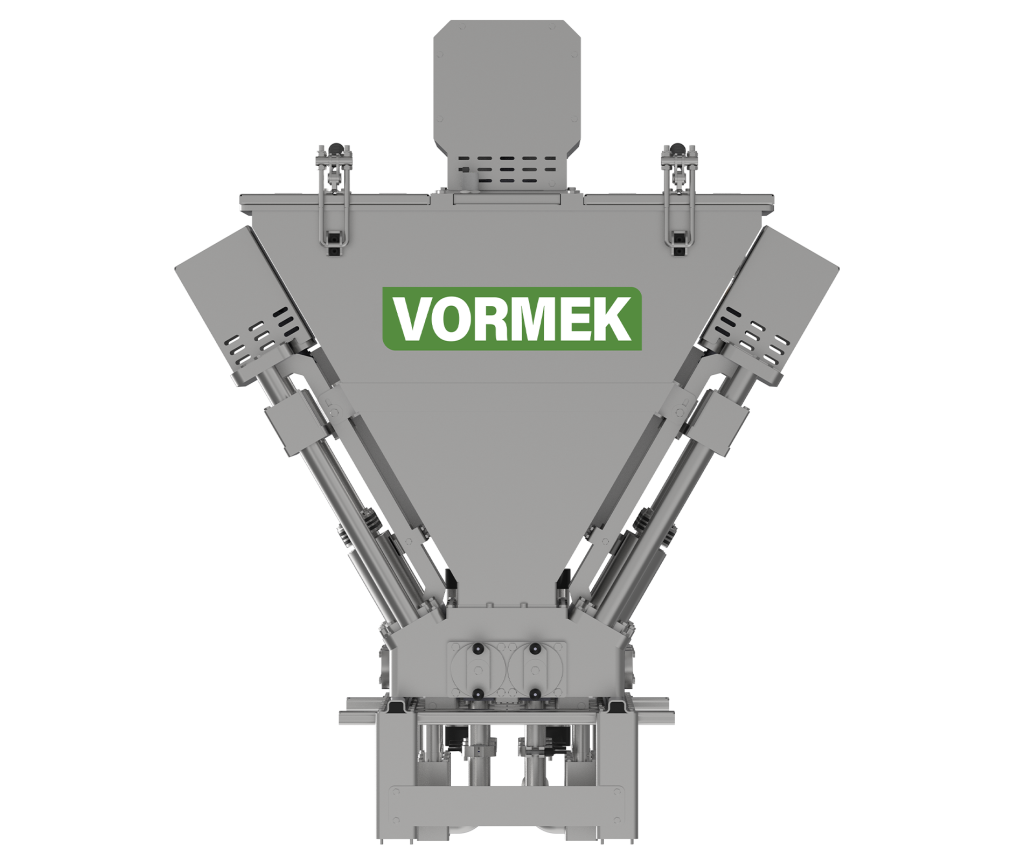
2. Sistem Venturi dan Suction Cup
Setiap cangkir hisap memiliki nosel Venturi independen. Udara bertekanan yang diarahkan melalui Venturi menciptakan ruang hampa, sehingga mangkuk pengisap dapat mencengkeram dasar wadah. Mekanisme ini menghasilkan vakum yang diperlukan menggunakan jaringan udara bertekanan yang ada di pabrik—tidak diperlukan pompa vakum terpisah.
3. Perkakas Pergantian Cepat
Karena penyegel baki otomatis dapat disesuaikan untuk ukuran wadah yang berbeda, denester harus menawarkan fleksibilitas serupa. Perkakasnya mudah dipertukarkan. Ketika bentuk atau dimensi kontainer berubah, operator dapat memasang perkakas yang sesuai dalam waktu singkat.
4. Bahan Tahan Lama dan Dapat Dicuci
Badan utama terbuat dari baja tahan karat dan dapat dicuci sepenuhnya. Komponen perkakas dan bagian internal tertentu dibuat dari paduan aluminium dengan lapisan pelindung, menawarkan:
- Resistensi terhadap bahan pembersih industri
- Kontak yang aman dengan produk makanan (tidak ada korosi atau degradasi)
- Ketahanan korosi di lingkungan lembab
Fitur-fitur ini menjadikan mesin ini ideal untuk aplikasi industri makanan dengan standar kebersihan yang ketat.
Tantangan Industri Umum
Pada lini pengemasan tradisional, proses pengemasan secara manual menghadirkan tantangan yang serius:
| Tantangan | Keterangan |
|---|---|
| Kontaminasi mikroba | Tangan operator bersentuhan langsung dengan bagian dalam wadah—permukaan yang akan bersentuhan dengan produk |
| Kecepatan tidak konsisten | Operator tidak dapat mempertahankan kecepatan konsisten yang disinkronkan dengan saluran otomatis |
| Biaya tenaga kerja yang tinggi | Jalur berkapasitas tinggi biasanya memerlukan banyak operator untuk melakukan denesting |
| Penempatannya tidak konsisten | Wadah yang bengkok atau tidak sejajar menyebabkan cacat penyegelan, limbah, atau terhentinya saluran |
| Skalabilitas terbatas | Kecepatan pembuatan sarang secara manual tidak dapat dengan mudah ditingkatkan seiring dengan kapasitas produksi |
Solusi yang Disediakan oleh TrayFlow
ItuAliran Baki VES-500sekaligus mengatasi semua tantangan ini melalui pendekatan mekanis yang tepat.
Siklus Operasi Mesin:
| Melangkah | Operasi |
|---|---|
| 1. Memegang tumpukan kontainer | Tumpukan kontainer dimasukkan ke dalam magasin. Jari-jari silinder atas memegang tepi wadah kedua dari bawah, menahan tumpukan di tempatnya. |
| 2. Melepaskan satu wadah | Silinder atas terbuka satu langkah. Wadah bawah jatuh karena beratnya sendiri ke jari-jari silinder bawah. Silinder atas kemudian ditutup kembali, mencengkeram tepi wadah berikutnya di atasnya. |
| 3. Pemisahan dan pengambilan dengan mangkuk penghisap | Mekanisme cangkir hisap naik dari bawah. Udara bertekanan mengalir melalui Venturi, menciptakan ruang hampa, dan mangkuk pengisap mencengkeram dasar wadah. Silinder bawah terbuka, melepaskan wadahnya. Mekanisme ini memisahkan wadah dari tumpukan dan memindahkannya ke dalam pengumpan penyegel baki. |
| 4. Persiapan siklus selanjutnya | Silinder bawah ditutup kembali, dan sistem siap untuk siklus berikutnya. |
Manfaat Teknis dan Ekonomi
| Kategori | Keuntungan | Keterangan |
|---|---|---|
| Higienis | Penghapusan total kontak manusia | Tidak ada tangan yang menyentuh wadah—mulai dari pemuatan hingga pengumpanan penyegel baki |
| Mengurangi beban mikroba | Cocok untuk produk sensitif | |
| Teknis | Kecepatan disinkronkan dengan garis | Menyesuaikan kecepatan penyegel baki secara otomatis |
| Presisi dan konsistensi mekanis | Setiap kontainer dikirimkan pada sudut dan posisi yang sama | |
| Fleksibilitas untuk variasi produk | Pergantian perkakas cepat untuk berbagai ukuran kontainer | |
| Ekonomis | Mengurangi tenaga kerja | Menghilangkan 2–4 operator dari proses denesting |
| ROI yang cepat | Biasanya 12–24 bulan | |
| Struktural | Bahan tahan lama dan bisa dicuci | Badan baja tahan karat; komponen paduan aluminium dilapisi |
Dampak terhadap Produktivitas dan Kualitas
Dari sudut pandang manajer produksi, indikator produktivitas utama mencakup hasil, waktu henti, konsistensi, dan pemanfaatan ruang. ItuAliran Baki VES-500:
- Menghilangkan kemacetan yang terjadi secara manual
- Mengurangi waktu henti akibat kesalahan manusia hingga mendekati nol
- Meningkatkan Efektivitas Peralatan Secara Keseluruhan (OEE)
- Mengurangi beban mikroba produk akhir
- Menurunkan risiko pengembalian atau penarikan produk
Hasil:Peningkatan kecepatan yang terukur per shift, penghapusan kesalahan manusia, peningkatan konsistensi pengemasan, dan peningkatan standar kebersihan.
Perbandingan dengan Teknologi Konvensional
| Kriteria | Penyangkalan Manual | Aliran Baki VES-500 |
|---|---|---|
| Kontak manusia dengan kontainer | Tinggi | Nol |
| Konsistensi penyampaian | Rendah | Tinggi |
| Kecepatan | Terbatas | Disinkronkan dengan penyegel baki |
| Pergantian perkakas | — | Cepat dan mudah |
| Biaya operasional tahunan | Tinggi | Rendah |
| Cocok untuk industri sensitif | TIDAK | Ya |
| Bisa dicuci | — | Sepenuhnya |
Industri yang Cocok
ItuAliran Baki VES-500berlaku untuk industri apa pun yang menempatkan kontainer ke jalur pengemasan sebelum diisi:
| Industri | Contoh Produk |
|---|---|
| Makanan | Salad, makanan siap saji, sup, pasta |
| Produk berprotein | Daging merah, unggas, ikan, makanan laut |
| Produk susu | Wadah yogurt kecil, krim keju, makanan penutup |
| Farmasi | Produk wadah steril atau semi steril |
| Pertanian | Buah dan sayuran siap disantap |
Kesimpulan
ItuAliran Baki VES-500mewakili pendekatan yang terencana, matang, dan bijaksana terhadap salah satu kelemahan paling umum dalam lini pengemasan. Dengan menggabungkan sistem silinder pneumatik dua baris, mekanisme cangkir hisap Venturi, perkakas yang dapat diganti dengan cepat, dan konstruksi baja tahan karat yang dapat dicuci sepenuhnya, mesin ini mencapai standar kebersihan, kecepatan, dan presisi yang tidak dapat ditandingi oleh pembuatan sarang manual.
Untuk fasilitas produksi yang berupaya mengurangi biaya operasional, meningkatkan standar kebersihan, dan meningkatkan kapasitas produksi tanpa menambah tenaga kerja, makaAliran Baki VES-500adalah investasi teknis dengan keuntungan nyata dan terukur.
Pertanyaan yang Sering Diajukan
1. Apakah mesin ini kompatibel dengan semua model penyegel baki?
Ini dirancang khusus untuk penyegel baki Vormek, dengan jumlah rongga yang sesuai dengan cetakan penyegel baki. Untuk merek lain, kompatibilitas teknis harus diverifikasi.
2. Dapatkah mesin disesuaikan untuk ukuran kontainer yang berbeda?
Ya. Perkakasnya berubah dengan cepat. Operator dapat memasang peralatan yang sesuai untuk kontainer baru dalam jangka waktu yang wajar.
3. Apa yang terjadi jika wadah majalah habis?
Operator harus mengisi ulang magasin dengan tumpukan kontainer baru. Selama waktu ini, jalur dapat terus menggunakan kontainer yang sudah ada di infeed.
4. Apakah sistem ini memerlukan pompa vakum terpisah?
Tidak. Sistem Venturi menggunakan udara bertekanan dari jaringan pneumatik yang ada di pabrik untuk menghasilkan vakum.
5. Apakah mesin dapat dicuci dalam kondisi basah dengan bahan pembersih yang kuat?
Ya. Bodi baja tahan karat dan komponen paduan aluminium berlapis tahan terhadap bahan pembersih industri dan kelembapan.
6. Apakah suku cadang tersedia?
Ya. Sebagai produsen, Vormek memberikan dukungan teknis penuh dan pasokan suku cadang. Desain modularnya juga menyederhanakan servis dan penggantian komponen.