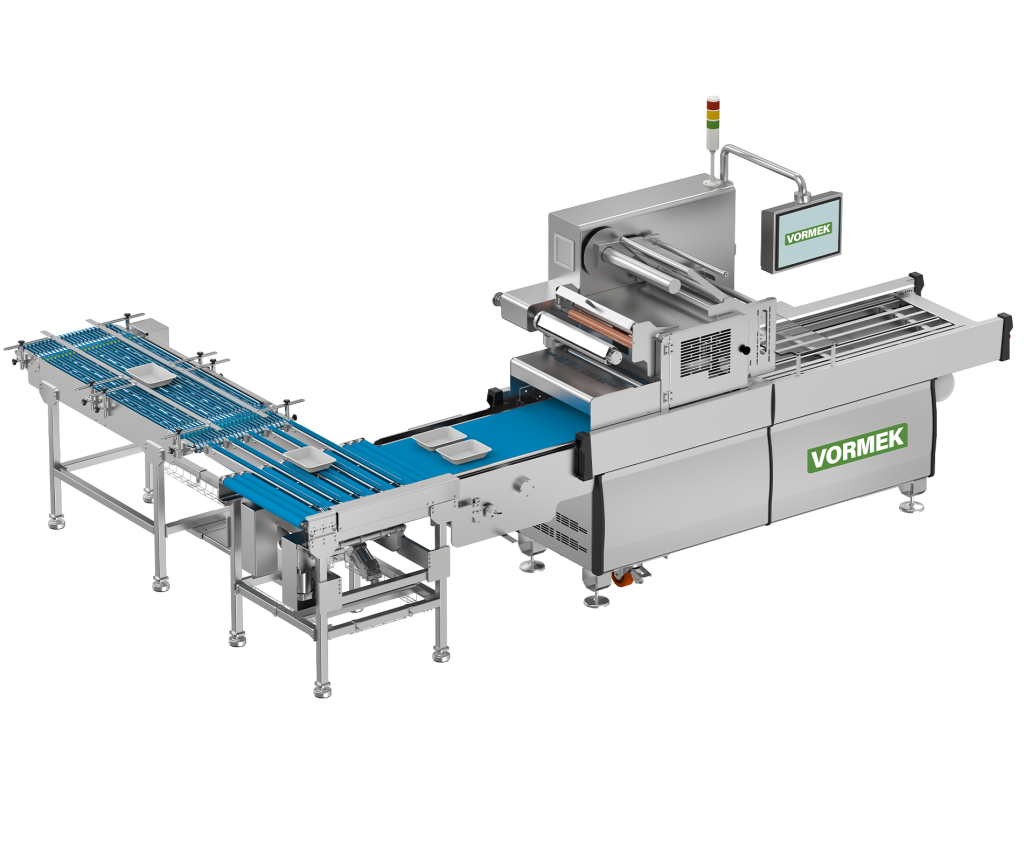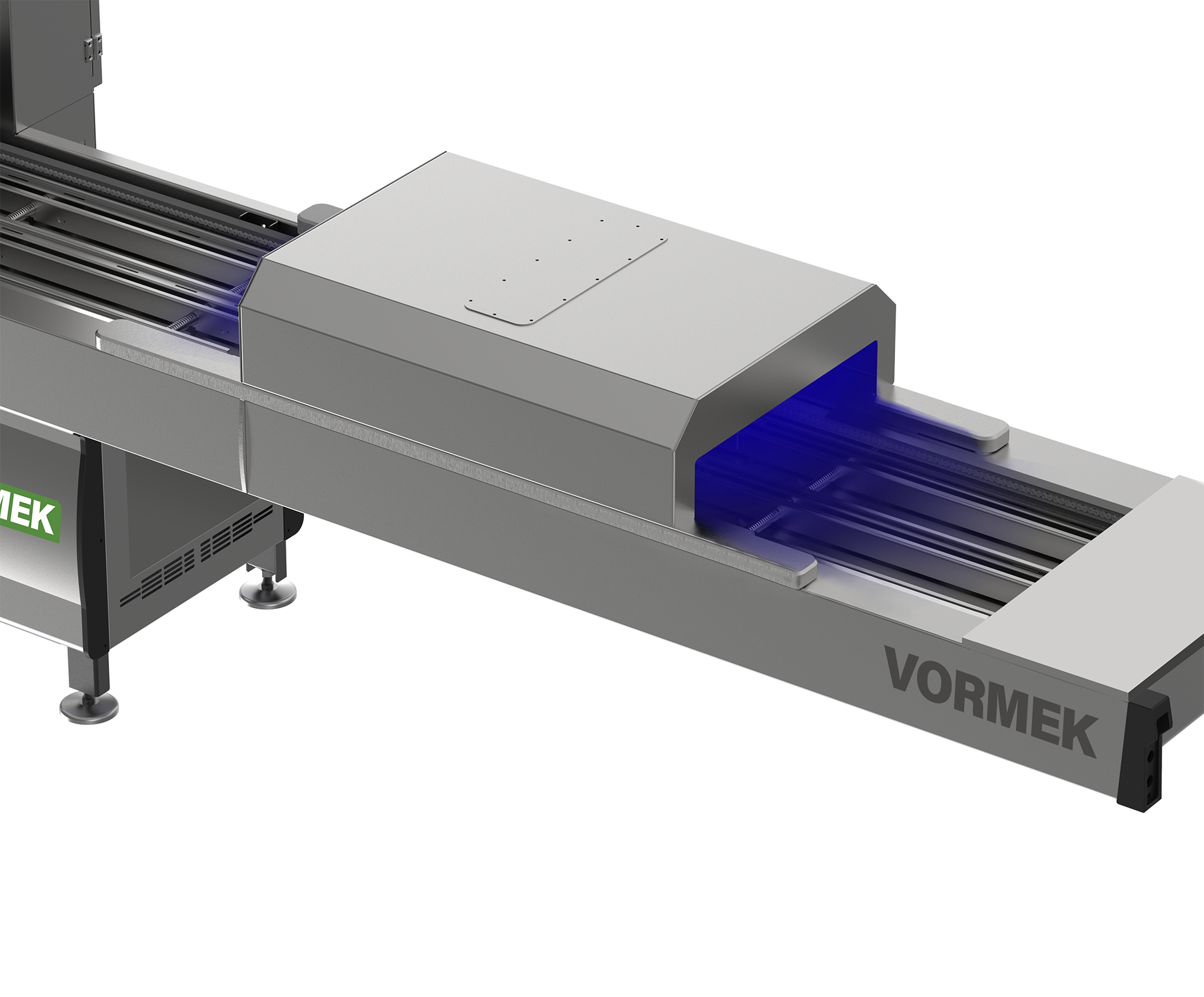
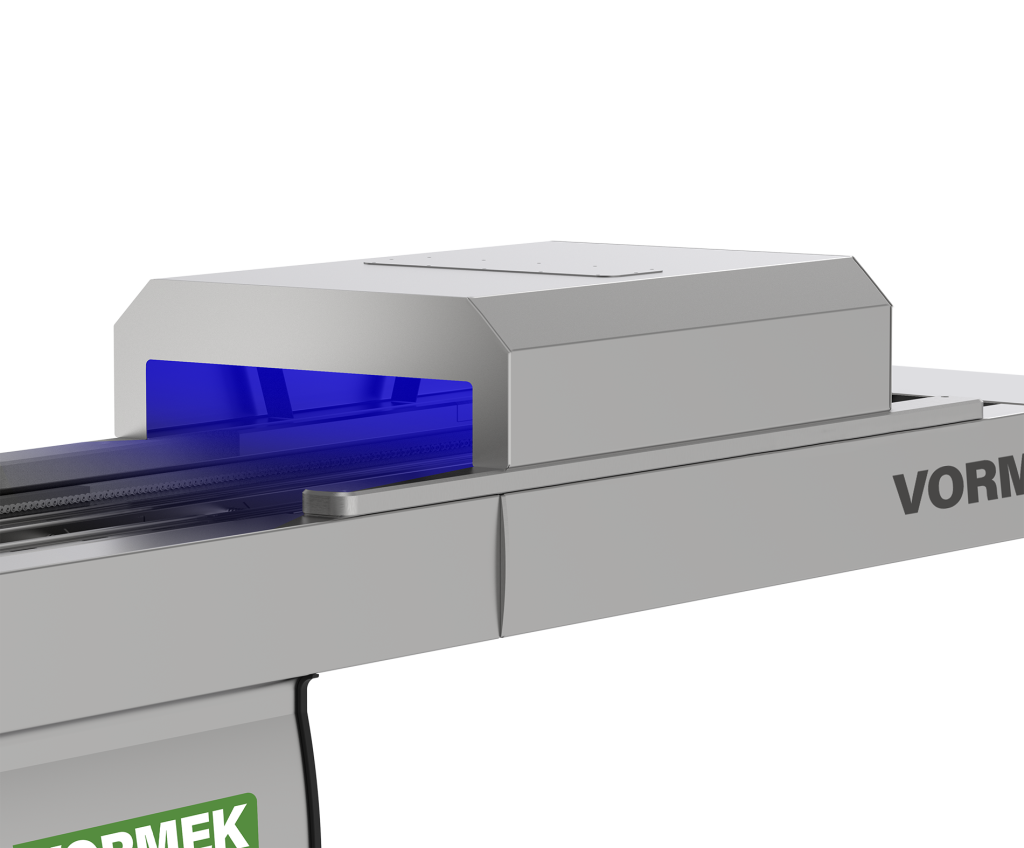
Pengantar Vormek UV-Clean VUV-500
Sebelum setetes produk dituangkan ke dalam wadah, kebersihan wadah tersebut adalah langkah pertama—dan bisa dibilang paling penting—dalam memastikan keamanan pangan akhir. Wadah yang mengandung kontaminasi mikroba membuat segala upaya selanjutnya—mulai dari pengisian yang tepat hingga penyegelan yang kuat—sama sekali tidak efektif. Umur simpan berkurang, keamanan terganggu, dan kepercayaan konsumen terkikis.
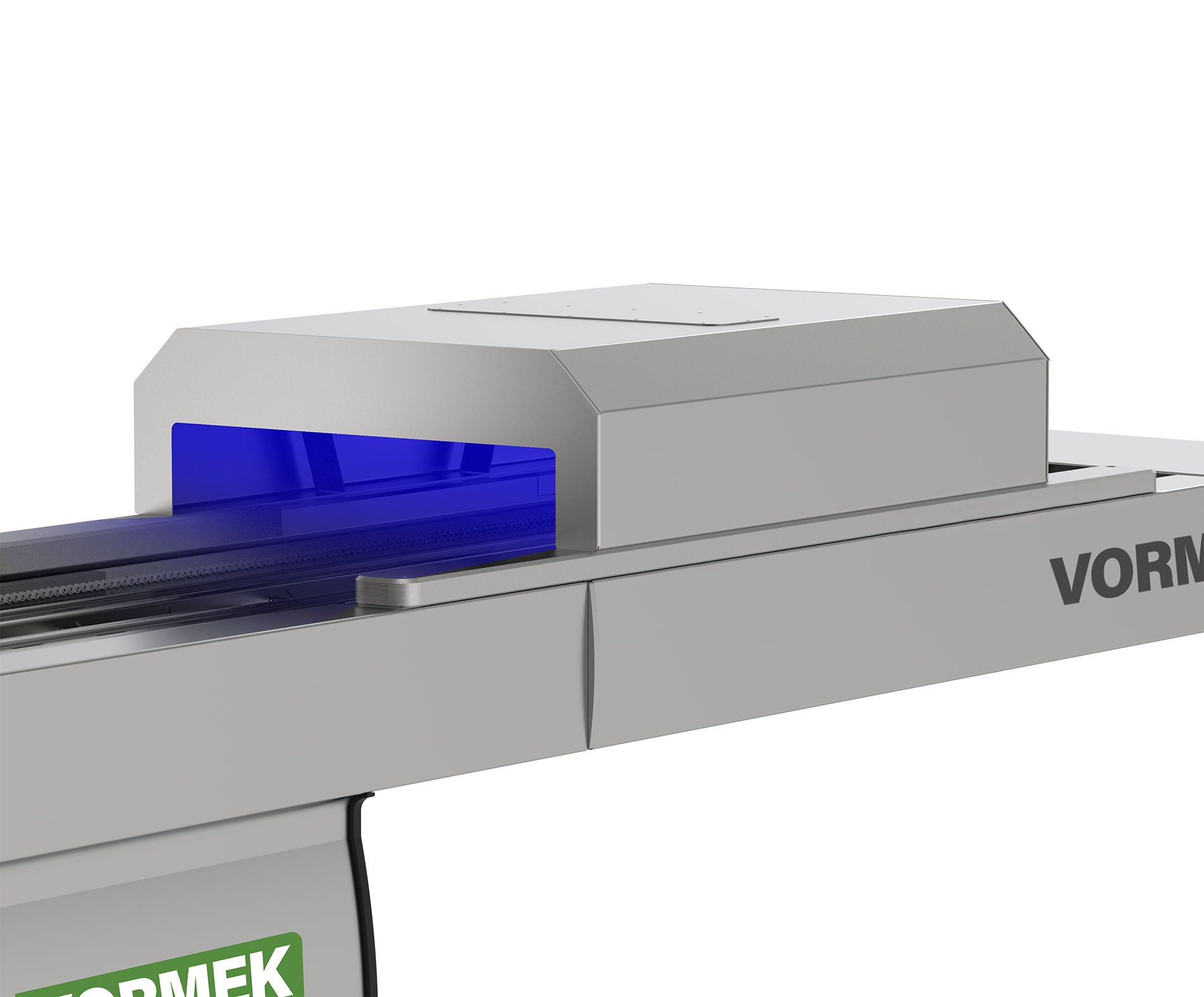
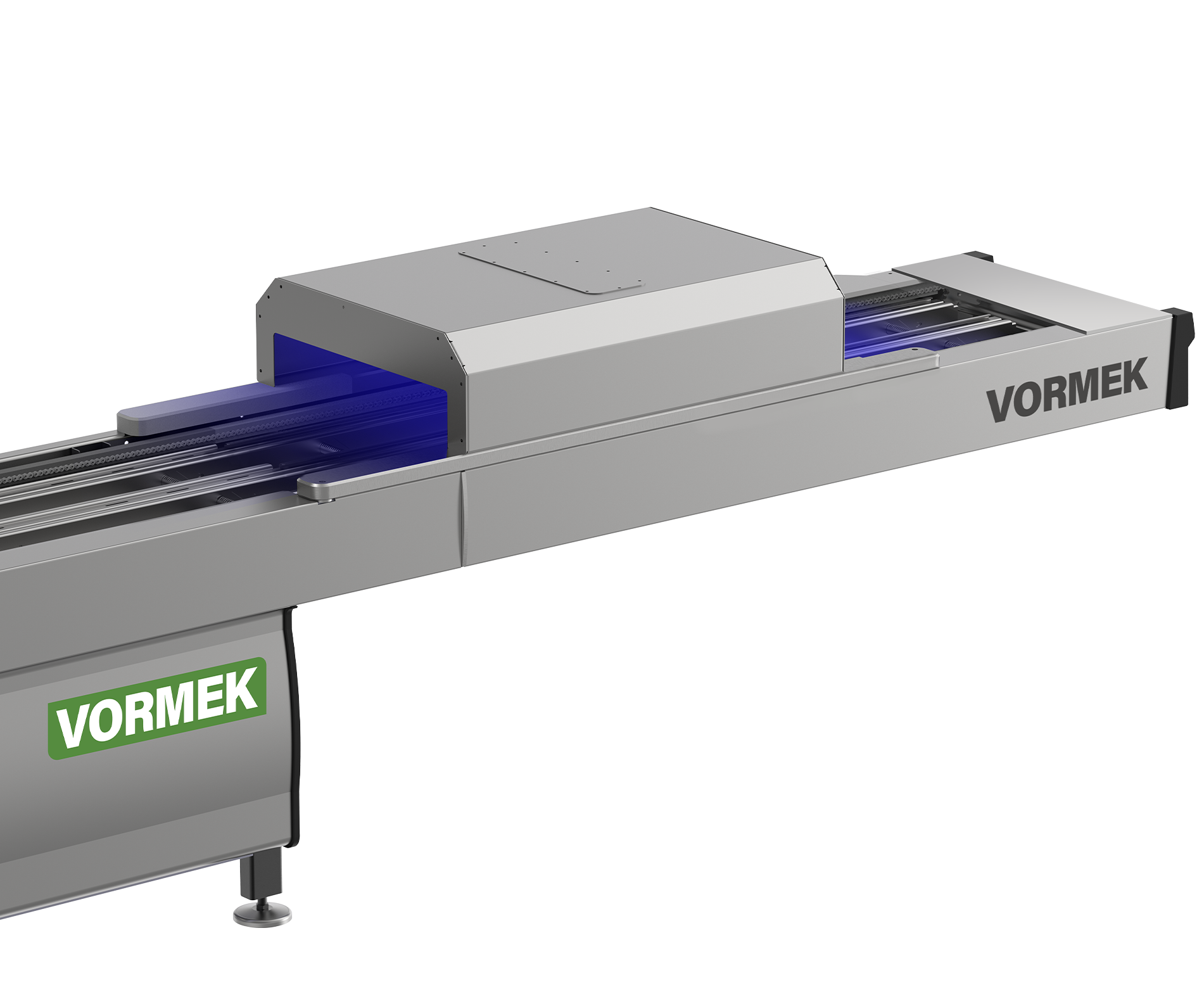
ItuVUV-500 Bersih UVadalah solusi yang lahir dari keahlian dan rekayasa yang cermat, menjawab kebutuhan yang tidak dapat diabaikan oleh produsen mana pun. Diposisikan setelah denester otomatis dan sebelum stasiun pengisian bahan bakar, mesin ini menggunakan radiasi UVC untuk menghilangkan mikroorganisme berbahaya baik dari permukaan interior maupun eksterior wadah—dalam sepersekian detik. Tidak ada bahan kimia. Tidak ada panas yang berbahaya. Tidak ada kontak fisik.
Filosofi teknis di balik produk ini tercermin dalam prinsip panduannya:Baki Steril, Makanan Lebih Aman, Andalkan Solusi Ini. Pada bagian berikut, kami mengeksplorasi teknologi UVC, pentingnya teknologi ini dalam lini pengemasan, spesifikasi teknis, serta manfaat operasional dan ekonomi dari peralatan penting ini.
Apa Itu Terowongan UV dan Bagaimana Cara Kerjanya?
Terowongan UV adalah perangkat yang menggunakan lampu UVC (dengan panjang gelombang 254 nm) untuk mendisinfeksi dan membersihkan permukaan wadah saat melewati terowongan.
Mekanisme Operasi:
| Melangkah | Keterangan |
|---|---|
| 1 | Wadah kosong memasuki terowongan UV setelah keluar dari denester. |
| 2 | Lampu UVC dengan intensitas terkontrol menyinari seluruh permukaan internal dan eksternal wadah. |
| 3 | Radiasi UVC menonaktifkan mikroorganisme (bakteri, virus, jamur, dan ragi) dengan menghancurkan DNA mereka. |
| 4 | Kontainer yang telah didesinfeksi keluar dari terowongan dan diarahkan langsung ke stasiun pengisian bahan bakar. |
Poin Utama:Proses UV bersifat fisik, bukan kimia. Tidak ada zat berbahaya yang ditambahkan ke dalam wadah, dan tidak ada air limbah yang dihasilkan.
Tantangan Umum Industri Tanpa Terowongan UV
Pada jalur pengemasan tanpa sistem disinfeksi otomatis, wadah kosong dapat terkontaminasi dari berbagai sumber:
| Tantangan | Keterangan |
|---|---|
| Kontaminasi penyimpanan | Wadah penyimpanan terkena debu, kelembapan, dan kontaminan lingkungan. |
| Kontak tangan operator | Pembersihan secara manual atau penanganan tradisional memindahkan kontaminasi mikroba ke bagian dalam wadah. |
| Bahan kimia berbahaya | Disinfektan kimia (misalnya klorin atau peroksida) berisiko meninggalkan residu pada produk akhir. |
| Waktu henti saluran | Metode desinfeksi tradisional (pencucian kimia atau perlakuan panas) memakan waktu dan menghentikan produksi. |
| Kerusakan pada wadah sensitif | Beberapa wadah plastik (misalnya PET atau PS) tidak tahan terhadap panas tinggi dan dapat berubah bentuk. |
Solusi Teknik yang Disediakan oleh UV-Clean
1. Konstruksi Baja Tahan Karat 304 Penuh – Higienis dan Tahan Lama
Tubuh utama terbuat dari baja tahan karat 304. Bahan ini adalah:
- Sepenuhnya dapat dicuci dan didisinfeksi
- Tahan terhadap kelembapan dan bahan pembersih
- Ideal untuk lingkungan industri makanan
2. Beberapa Lampu UVC dengan Kontrol Keamanan
- Penempatan lampu dirancang untuk memastikan cakupan penuh seluruh permukaan wadah (interior dan eksterior).
- Sistem kontrol keselamatan mencegah lampu tetap menyala ketika tidak ada kontainer (melindungi operator dan peralatan).
- Terowongan UV dirancang dengan spesifikasi standar tanpa kebocoran cahaya—memastikan radiasi UVC tidak lolos ke lingkungan sekitar, sehingga menjaga keselamatan operator.
- Interval penggantian lampu yang disarankan:Setiap 10.000 jam pengoperasian efektif.
3. Instalasi Mudah dan Kompatibilitas Jalur
- Desain modular memungkinkan integrasi sederhana ke dalam lini pengemasan yang ada (antara denester dan filler).
- Dapat disesuaikan untuk wadah dengan ukuran berbeda (tinggi, lebar, dan panjang).
4. Perawatan Rendah dan Konsumsi Energi Optimal
- Lampu UVC memberikan efisiensi maksimum dengan konsumsi daya rendah.
- Hanya pemeriksaan lampu berkala dan pembersihan permukaan (untuk mencegah pengurangan intensitas) yang diperlukan.
Manfaat Teknis dan Ekonomi
| Kategori | Keuntungan | Keterangan |
|---|---|---|
| Higienis | 99,9% eliminasi mikroorganisme | Bakteri, virus, jamur, dan ragi |
| Bebas bahan kimia | Aman untuk produk dan lingkungan | |
| Suhu pengoperasian rendah | Cocok untuk wadah yang sensitif terhadap panas (PET, PS) | |
| Operasional | Disinfeksi cepat | Waktu tunggu kontainer di terowongan hanya beberapa detik |
| Instalasi mudah | Modular, dapat disesuaikan untuk jalur yang ada | |
| Kompatibel dengan berbagai wadah | Dapat disesuaikan untuk berbagai ukuran | |
| Ekonomis | Mengurangi limbah yang berhubungan dengan pembusukan | Umur simpan produk diperpanjang |
| Mengurangi biaya bahan kimia | Tidak perlu disinfektan yang mahal | |
| Perawatan yang rendah | Penggantian lampu setiap 10.000 jam | |
| Pengelolaan | Kepatuhan terhadap standar kebersihan | HACCP, ISO 22000, FDA |
Dampak terhadap Produktivitas dan Kualitas
Dari sudut pandang manajer produksi, indikator kinerja yang paling penting adalah umur simpan, kualitas mikroba, dan ROI. ItuVUV-500 Bersih UV:
- Mengurangi beban mikroba dalam wadah hingga 99,9% → memperpanjang umur simpan produk
- Meminimalkan risiko kontaminasi silang
- Mengurangi biaya pengembalian produk dan kerusakan merek
- Memungkinkan ekspor ke pasar dengan standar kebersihan yang ketat
Aplikasi Industri Terowongan UV
| Industri | Aplikasi |
|---|---|
| Industri makanan | Disinfeksi wadah sebelum diisi (salad, acar, saus, makanan siap saji) |
| Produk berprotein | Disinfeksi wadah daging, unggas, dan makanan laut sebelum dikemas |
| Industri susu | Desinfeksi wadah yogurt, keju, dan makanan penutup |
| Farmasi | Sterilisasi wadah dan peralatan medis |
| Kosmetik dan perawatan pribadi | Desinfeksi wadah krim, gel, dan lotion |
| Bioteknologi | Sterilisasi permukaan di lingkungan sensitif |
Mengapa Terowongan UV Merupakan Alternatif yang Lebih Baik dari Metode Tradisional
| Metode Disinfeksi | Kekurangan | Keuntungan UV |
|---|---|---|
| Bahan kimia (klorin, alkohol, peroksida) | Residu pada kontainer, risiko konsumen, biaya tinggi | Bebas bahan kimia |
| Panas tinggi (autoklaf) | Kerusakan wadah plastik, konsumsi energi tinggi, memakan waktu | Suhu rendah, cepat |
| Pencucian air panas | Konsumsi air yang tinggi, memerlukan pengeringan ulang | Keringkan dan siap digunakan |
| Desinfeksi manual (semprotan) | Cakupan yang tidak lengkap dan bergantung pada operator | Otomatis dan seragam |
Kesimpulan
ItuVUV-500 Bersih UVadalah perisai yang tidak terlihat namun kuat terhadap kontaminasi mikroba.
Sekilas tentang Keuntungan Utama:
- Menghilangkan 99,9% mikroorganisme (bakteri, virus, jamur, ragi)
- Bebas bahan kimia – aman untuk produk dan lingkungan
- Suhu pengoperasian rendah – cocok untuk wadah sensitif
- Disinfeksi cepat (detik) – tanpa penghentian saluran
- Instalasi mudah dan kompatibilitas dengan jalur yang ada
- Dapat disesuaikan untuk wadah dengan berbagai ukuran
- Sesuai dengan standar HACCP, ISO 22000, dan FDA
- ROI cepat (biasanya kurang dari beberapa bulan)